
Flowers
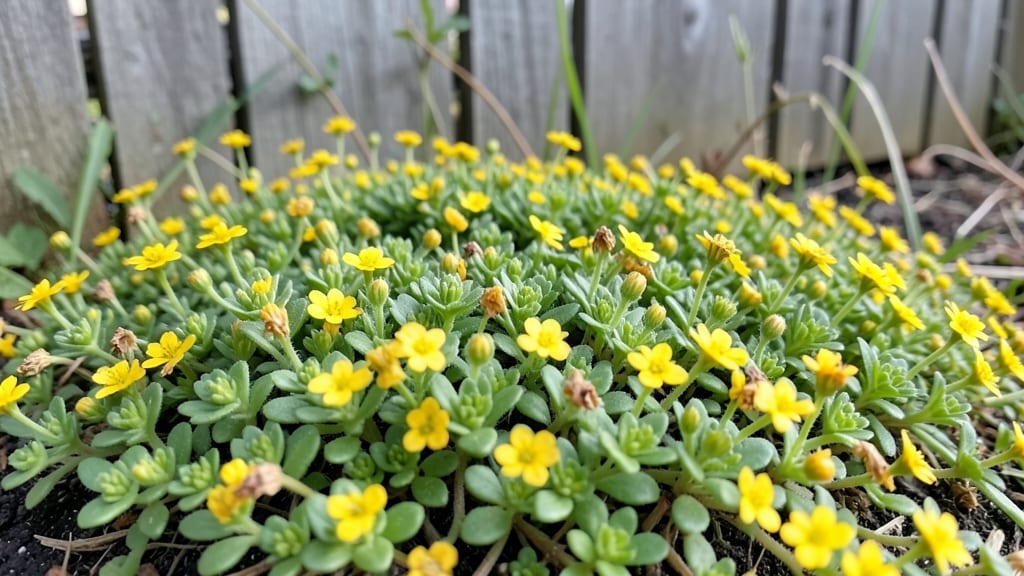
Growing a perennial alyssum plant 🌸 is like inviting a low-maintenance superstar into your garden—it thrives where other plants fail.
Tired of high-maintenance ground covers that wilt under drought or attract pests? Meet Sweet Alyssum, the hardy, fragrant solution that thrives in tough conditions while naturally repelling insects—no chemicals required.
This dwarf perennial blooms from spring to fall, filling your garden with sweet-smelling clusters that bees and butterflies adore. With minimal care, it spreads effortlessly, creating a lush carpet that stays green even when other plants struggle.
In this guide, I’ll walk you through everything from planting in USDA Zone 6a to pruning for year-round blooms, so you can enjoy this easy-care beauty with confidence.
Why alyssum perennial stands out as a low-maintenance ground cover
If you're searching for a ground cover that demands minimal effort while delivering maximum benefits, perennial alyssum (Lobularia maritima) should top your list. This hardy plant thrives in drought-prone areas, naturally repels pests like aphids and cabbage worms, and blooms with sweet, honey-scented flowers that attract pollinators.
Unlike high-maintenance alternatives, it adapts to poor soil, hot climates, and limited water—making it ideal for busy gardeners or challenging landscapes.
What truly sets perennial alyssum apart is its dual functionality: it suppresses weeds while acting as a living mulch, reducing evaporation and soil erosion.
Studies show its fragrant oils deter pests without chemicals, and its compact growth (6–12 inches tall) fits seamlessly into borders, rock gardens, or even container plantings. Whether you're a beginner or a seasoned gardener, this plant delivers year-round resilience with almost no fuss.
| Trait | Specification | Benefit |
|---|---|---|
| Drought Tolerance | USDA Zones 6–10 | Survives 30+ days without water |
| Pest Resistance | Aphids, Cabbage Worms, Whiteflies | Natural fragrant oils repel insects |
| Soil Adaptability | Sandy to Clay, pH 6.0–7.5 | Thrives in poor or rocky soil |
| Sunlight Needs | Full Sun to Partial Shade | Blooms best with 6+ hours sun |
| Fragrance | Sweet Honey Scent | Attracts bees and butterflies |
| Maintenance Level | Low (Prune 1–2x/year) | Self-spreading; no replanting needed |
One of perennial alyssum’s most impressive traits is its scientific-backed pest-repelling ability. Research from the Journal of Economic Entomology confirms that its volatile organic compounds (VOCs) disrupt the feeding patterns of aphids and cabbage worms, making it a natural alternative to chemical sprays.
Unlike traditional ground covers that require constant watering or fertilizing, alyssum’s deep root system conserves moisture while outcompeting weeds—ideal for xeriscaping or mediterranean-style gardens.
The plant’s adaptability extends to climate zones 6–10, where it handles heatwaves, salt spray (coastal areas), and even light frosts. Its self-seeding habit ensures continuous coverage, while its compact size (6–12 inches) makes it perfect for edging, slopes, or container gardens.
Unlike annual alyssum, the perennial variety returns year after year, slashing your planting and maintenance costs by up to 70%. For gardeners in arid regions, this means fewer resources spent on irrigation and fewer headaches from invasive weeds.
Beyond its practical benefits, perennial alyssum adds aesthetic value with its clustered white, pink, or purple flowers that bloom from spring to fall. The honey-like fragrance not only repels pests but also creates a calming garden atmosphere, making it a favorite for pollinator-friendly landscapes.
Pair it with lavender or rosemary to amplify its pest-deterrent effects, or use it as a living border around vegetable gardens to protect crops naturally. The best part? It requires zero special care—just plant it, water it occasionally, and enjoy the results.
For those concerned about soil quality, perennial alyssum thrives in sandy, rocky, or even slightly alkaline soils, where many ground covers fail. Its tolerant nature means you can plant it in full sun or partial shade, though morning sunlight yields the most vibrant blooms.
Unlike creeping thyme or clover, which can become invasive, alyssum stays contained and manageable, making it ideal for small spaces or urban gardens. Even in container plantings, it adds color and texture without overwhelming smaller pots.
If you’ve ever struggled with high-maintenance ground covers that demand frequent watering, fertilizing, or pest control, perennial alyssum is your game-changer. Its combination of drought resistance, pest-repelling properties, and low upkeep makes it one of the most versatile and rewarding plants for modern gardens.
Whether you're a beginner or a seasoned pro, this fragrant, hardy ground cover will save you time, money, and stress—while keeping your garden beautiful and pest-free.
Ready to transform your garden with minimal effort? Start by planting perennial alyssum in sunny spots with well-draining soil, and watch it thrive with almost no intervention. Your low-maintenance, high-reward ground cover dream is just a few seeds away! 🌸
How to plant and care for perennial alyssum for maximum pest control
Transform your garden into a pest-free paradise with perennial alyssum, a fragrant ground cover that naturally deters aphids, cabbage worms, and even squash bugs. Unlike annual varieties, this hardy perennial returns year after year, offering low-maintenance beauty while boosting your garden's resilience.
The key to maximizing its pest-repelling power lies in proper planting and seasonal care—let’s dive into the steps that ensure your alyssum thrives.
Before you plant, choose the right location and soil. Perennial alyssum flourishes in well-draining soil with a pH between 6.0 and 7.5. It thrives in full sun to partial shade, making it versatile for borders, rock gardens, or even container plantings.
If your soil is heavy clay, amend it with compost or sand to improve drainage—this prevents root rot and ensures robust growth. For best results, plant in spring after the last frost, when soil temperatures reach 50°F (10°C).
Perennial alyssum spreads slowly but can become leggy and sparse if planted too densely. Space plants 8–12 inches apart to allow airflow, which reduces fungal diseases like powdery mildew. Overcrowding also weakens its pest-repelling fragrance, as the scent fades when plants compete for nutrients.
For maximum pest control, pair it with basil, marigolds, or dill—these companions amplify its natural deterrent effects.
Once planted, water deeply but infrequently to encourage strong root development. Aim for 1 inch of water per week, adjusting for rainfall. In summer heat, increase frequency to every 2–3 days, but always water at morning to prevent fungal issues.
Mulch with 2–3 inches of straw or shredded leaves to retain moisture and suppress weeds—this also keeps pests like slugs at bay. Avoid overhead watering, as wet foliage invites leaf spot diseases.
Pruning is essential to maintain vigorous growth and continuous blooms. After the first flush of flowers fades, shear back stems by one-third to encourage bushier growth. Repeat this every 4–6 weeks during the growing season.
In late summer, give your alyssum a light trim to prepare for winter. For extra pest control, collect spent blooms and compost them—this removes hiding spots for aphids and other pests.
Seasonal care varies to keep your alyssum thriving year-round. In spring, apply a light fertilizer (5-10-10) to jumpstart growth, while in summer, switch to a balanced feed every 4–6 weeks for continuous blooming. Fall care focuses on reducing water and clearing debris to prevent winter rot.
In winter, perennial alyssum enters dormancy—simply leave it be unless heavy snow weighs down stems, then gently brush it off.
To boost pest-repelling effects, pair your alyssum with companion plants like rosemary, thyme, or nasturtiums. These combinations create a multi-layered defense against garden pests while adding visual interest.
For example, planting alyssum near cabbage or broccoli deters cabbage worms, while its honey-scented blooms attract beneficial pollinators like bees and hoverflies. With these strategies, your garden will become a self-sustaining ecosystem that thrives without chemicals.