
Orchid Care
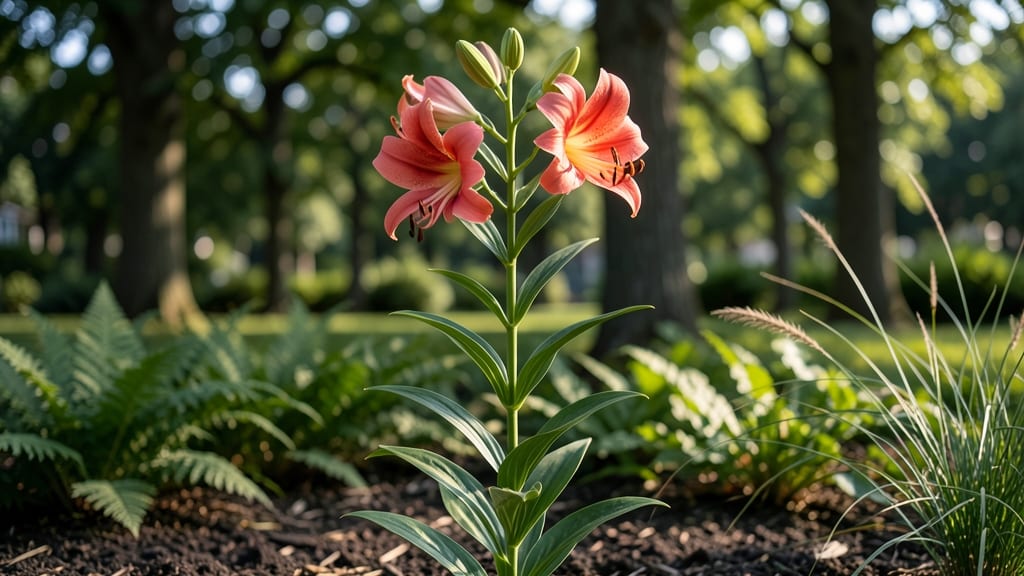
An Asiatic lily is neither an annual nor a perennial in the strictest sense—it's a hardy perennial that thrives for 3–5 seasons before flowering weakens, thanks to its underground rhizomes.
An Asiatic lily isn't annual—they're perennials that rely on their thick, fleshy rhizomes to store energy between growing seasons. 🌱 Unlike true annuals that complete their life cycle in one year, these lilies regenerate from their roots each spring, producing new shoots and blooms when conditions are right. The key to their longevity lies in those rhizomes, which act like natural batteries, preserving nutrients through cold winters and dry spells.
What sets them apart from bulbs (like tulips) is their horizontal growth pattern—they spread underground rather than forming round storage organs. This makes them more resilient to temperature swings and soil conditions, though they do eventually weaken after 3–5 years of flowering.
Proper care, like dividing overcrowded clumps every few years, can reset their cycle and extend their vibrant displays for decades.
💡 In This Article
- How Asiatic Lily Rhizomes Extend Their Lifespan
- Maximizing Asiatic Lily Longevity in Gardens
How Asiatic lily rhizomes extend their lifespan
Asiatic lilies rely on their rhizomes—thick, horizontal underground stems—to survive year after year. Unlike bulbs (like tulips), which store energy in round, layered structures, these rhizomes grow outward, storing starches and sugars that fuel regrowth each spring.
The rhizome's corky outer layer protects against rot, while its spongy interior holds moisture and nutrients, allowing it to endure drought or cold snaps in USDA zones 3–9.
This adaptation lets them persist for 3–5 years before flowering weakens, a stark contrast to true annuals, which die after one growing season.
Their dormancy cycle is the secret to longevity. When temperatures drop below 40°F, the foliage yellows and dies back, but the rhizome remains active underground, respiring slowly.
Studies show rhizomes can lose 20–30% of their starch reserves over winter but replenish them by summer, thanks to photosynthesis in the new shoots. This energy storage is why Asiatic lilies bounce back annually—unlike bulbs, which rely on a single season's growth to replenish their stores.
What makes them different from other perennials? Their rhizomatous growth habit allows them to spread and self-divide, creating new plants without human intervention. Each segment can produce a new shoot, ensuring the plant doesn't overcrowd itself like bulbs do.
This natural propagation is why a single Asiatic lily can become a clump of 5–10 plants in just a few years, provided the soil drains well and isn't waterlogged.
Climate plays a critical role in their lifespan. In colder zones (like USDA 3–5), their rhizomes may enter a deeper dormancy, surviving -20°F temperatures if mulched properly. In warmer zones (USDA 8–9), they may bloom more aggressively but require shade in summer to prevent rhizome desiccation.
The sweet spot? USDA 6–7, where they balance growth and dormancy perfectly.
Here’s the science: Their rhizomes contain anthocyanins, the same pigments that give blueberries their color. These antioxidants protect the roots from oxidative stress during dormancy, while the rhizome’s high starch content (up to 30% dry weight) ensures energy is available when shoots emerge in spring.
This biological efficiency is why Asiatic lilies outlast many other perennials without needing replanting.
But there’s a catch: Over time, rhizomes can become overcrowded, leading to smaller blooms and weaker stems. This happens when the plant exhausts its stored energy trying to support too many shoots. That’s why gardeners divide clumps every 3–4 years—it resets the rhizome’s energy reserves and revitalizes flowering.