
Flowers
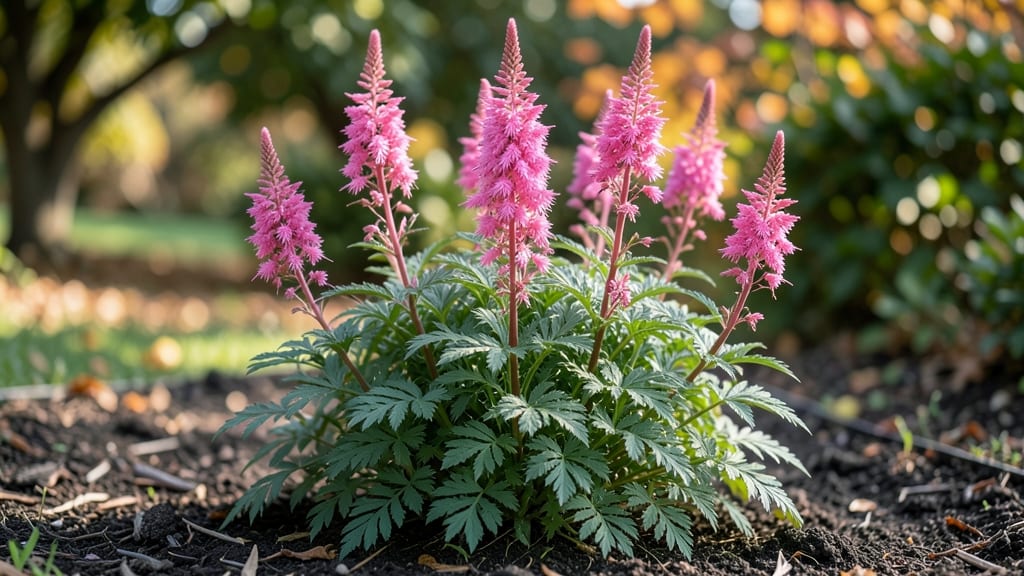
Yes, astilbe is a perennial plant that returns reliably each season because its tough underground rhizomes act as natural energy reserves, allowing it to regrow from the same root system after winter dormancy.
This hardy nature makes astilbe a favorite among gardeners seeking low-maintenance, long-term color.
Unlike annuals that complete their life cycle in one season, astilbe's rhizomes store carbohydrates and nutrients underground during winter, then burst back to life with feathery plumes in spring. 🌿 The plant's ability to self-propagate also means your garden can expand naturally over time with minimal effort.
What sets astilbe apart is its adaptability—it thrives in partial shade where many perennials struggle, making it ideal for woodland gardens or shaded borders. The key to maximizing its perennial benefits lies in proper winter care, like adding a layer of mulch to protect those vital rhizomes from freezing temperatures.
💡 In This Article
- How Astilbe Rhizomes Enable Perennial Growth
- Caring for Astilbe as a Long-Term Garden Perennial
How astilbe rhizomes enable perennial growth
Astilbe’s perennial nature stems from its specialized rhizome system, a horizontal underground stem that acts like a biological battery. These thick, fleshy roots store carbohydrates (like starch) and nutrients during the growing season, converting sunlight into energy through photosynthesis in the leaves.
When winter arrives, the above-ground foliage dies back, but the rhizomes remain dormant, conserving energy until temperatures rise again in spring. 🌱
What makes astilbe’s rhizomes particularly effective is their ability to regenerate new shoots from multiple growth points. Unlike some perennials that rely on a single crown, astilbe’s rhizomes can produce 3-5 new stems per season from each node, creating dense clusters.
This system is similar to hostas or ferns but more resilient—while hostas may struggle in harsh winters, astilbe’s rhizomes can survive down to -20°F (-29°C) with proper protection.
The regeneration process begins in early spring when soil temperatures reach 50-55°F (10-13°C). Hormonal signals trigger the rhizomes to break dormancy, sending up shoots that develop into the familiar feathery plumes.
This timing aligns with astilbe’s native habitat in temperate Asian forests, where reliable seasonal cycles ensure survival. The rhizomes also self-prune damaged tissue, redirecting resources to healthy growth—a built-in survival mechanism.
Comparing astilbe to other herbaceous perennials highlights its efficiency. While peonies store energy in thick roots, astilbe’s rhizomes are more fibrous and spread horizontally, allowing them to colonize space gradually without becoming invasive.
This makes them ideal for borders or mass plantings, where they’ll return year after year with minimal intervention. The trade-off? They’re slower to establish than annuals but far more reliable long-term. 💫
One fascinating detail is how astilbe’s rhizomes interact with soil microbes. Beneficial fungi and bacteria form symbiotic relationships, aiding nutrient uptake and disease resistance.
This "rhizosphere" ecosystem is why astilbe thrives in moist, well-draining soil—the microbes help regulate water and nutrient flow, preventing the rhizomes from rotting in soggy conditions.
The plant’s ability to self-propagate is another perk of its rhizome system. Over time, the rhizomes naturally divide, creating daughter plants that can be separated and replanted. This means your astilbe garden will expand effortlessly, with no need for costly divisions.
The key is to avoid overcrowding—when rhizomes get too dense, they compete for resources, reducing bloom quality.
For gardeners, understanding this system means you can minimize winter dieback by protecting the rhizomes. A 2-3 inch layer of mulch (like shredded bark) insulates them from temperature swings, while avoiding heavy foot traffic prevents physical damage to these delicate underground structures. 🌿