
Flowers
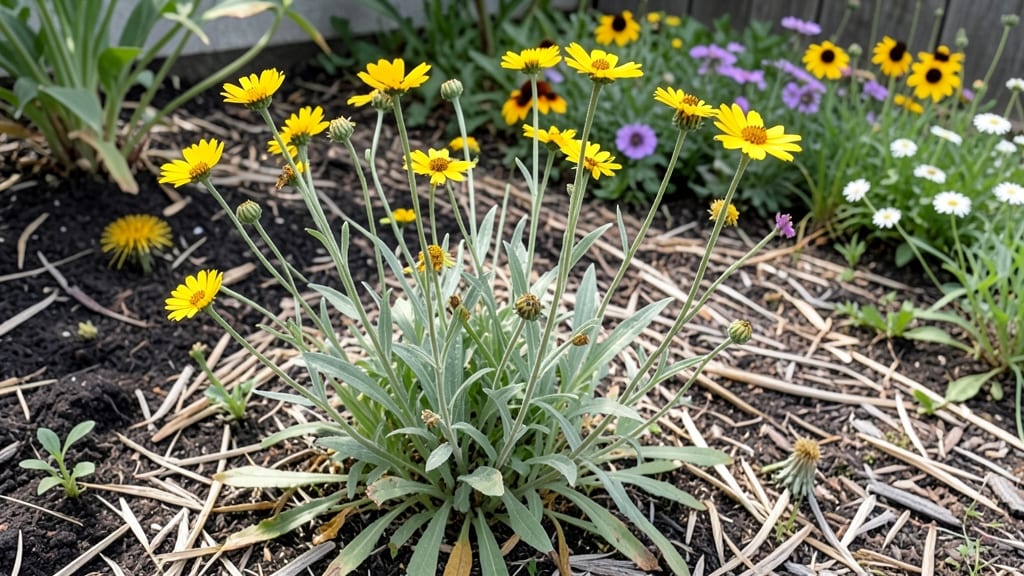
Wildflowers can be annuals, perennials, or biennials—whether they bloom once, return yearly, or need two seasons depends entirely on their seed type and genetic programming.
This diversity is what makes wildflowers so adaptable. Annuals like cosmos or zinnias burst into color in a single season but self-seed prolifically, while perennials such as black-eyed Susans or coneflowers establish deep roots and return reliably for years. Biennials like foxglove take a different approach, storing energy their first year to fuel dramatic blooms the second.
The key difference lies in their root systems—annuals focus on rapid above-ground growth, perennials invest in durable underground structures, and biennials split their energy between storage and reproduction. 🌱
Understanding these patterns helps gardeners plan for seasonal color or long-term meadows. For instance, mixing annuals with perennials ensures continuous blooms, while biennials can create stunning two-year displays if planted strategically.
Climate also plays a role—some wildflowers shift between categories based on temperature triggers, adding another layer of complexity to their life cycles.
💡 In This Article
- Wildflower Life Cycles Explained by Seed Type
- How to Choose Wildflowers for Your Garden’s Duration Needs
Wildflower life cycles explained by seed type
The biological differences between annual, perennial, and biennial wildflowers start at the seed stage. Annuals like California poppies or sunflowers germinate, grow, flower, and set seed all within 60-90 days, then die—yet their seeds often remain dormant until conditions are perfect.
Perennials such as purple coneflower develop deep taproots that can reach 3-5 feet underground, storing nutrients and energy for multiple growing seasons. This root system allows them to survive droughts and regenerate year after year. 🌿
Biennials take a strategic approach by dividing their energy. In their first year, they focus on leafy growth and building up food reserves in their roots (like foxglove or hollyhock). The second year, they redirect that energy into dramatic flowering and seed production before dying.
Temperature triggers often control this timing—many biennials need a period of cold (32-40°F) to break dormancy and initiate flowering. Moisture also plays a critical role, with seeds often requiring consistent soil moisture to germinate.
What most gardeners don't realize is how these life cycles affect flowering patterns. Annuals typically bloom all at once in a spectacular display (like cosmos in 60-75 days), while perennials often have staggered blooming periods—some early in spring, others in late summer.
Biennials create a delayed but intense show, which can be a strategic choice for gardeners wanting to fill gaps in their seasonal color palette. The key difference lies in their reproductive strategies: annuals prioritize quantity of seeds, perennials focus on longevity, and biennials balance both.
Root systems tell the full story. Annuals develop shallow, fibrous roots that spread quickly to absorb nutrients from the topsoil. Perennials invest in deep, woody roots that can survive harsh conditions and store energy for years.
Biennials create a hybrid system—thickened roots in year one that resemble a small storage organ. This biological diversity explains why some wildflower mixes require replanting annually while others create self-sustaining meadows for decades. 🌱
Germination triggers vary dramatically too. Many annual seeds need light to germinate (a process called photoblasty), which is why they often sprout after being buried just 1/4 inch deep. Perennial seeds frequently require cold stratification—a period of cold, moist conditions—to break dormancy, mimicking natural winter cycles.
Biennials often combine both triggers, needing light first to germinate, then cold temperatures to trigger flowering the following year. These mechanisms ensure seeds only germinate when conditions are optimal for survival.
Consider the black-eyed Susan (a perennial) versus marigold (an annual). The perennial's deep roots allow it to thrive in poor soil and survive droughts, while the annual's rapid growth means it outcompetes weeds early in the season.
This biological trade-off explains why gardeners often mix both types—annuals for quick color, perennials for long-term beauty. Understanding these patterns helps create gardens that bloom continuously from spring to fall.