
Plants
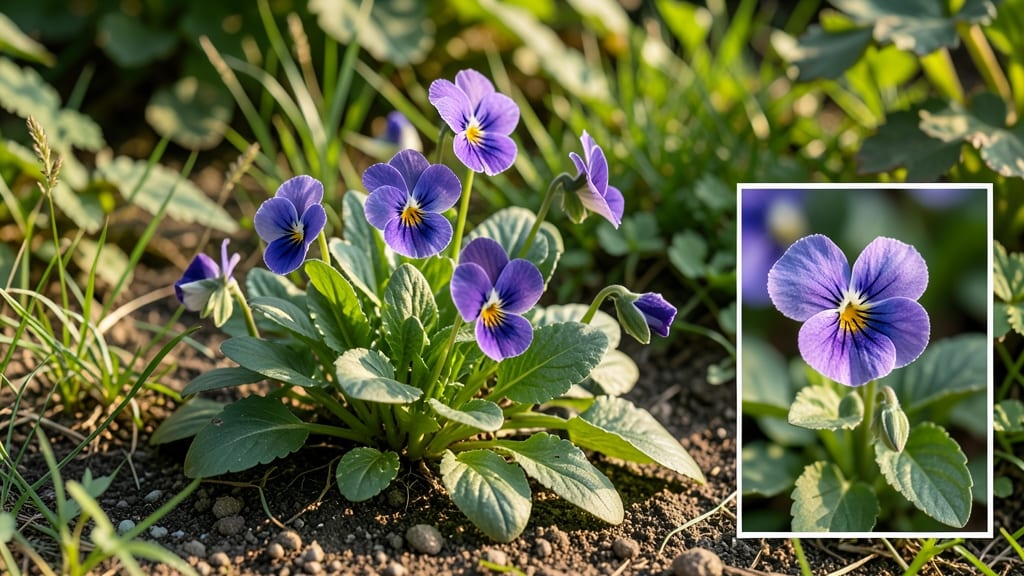
Violas are perennials in most climates, thriving as cold-hardy rebloomers that return year after year with minimal care, though they may self-seed or die back in extreme winters before regrowing in spring.
Violas earn their perennial reputation because they're built to endure—unlike many annuals, they survive winter's chill in zones 5 through 9 by going dormant. 🌱 The secret lies in their deep root systems, which store energy underground until spring.
Even in harsh winters, violas often bounce back stronger than they started, especially when given a little winter protection like mulch or straw. What's more, their self-seeding habit means you'll often get bonus blooms the following year without any extra effort.
This hardiness makes violas a gardener's dream: plant them once, and they'll reward you with vibrant flowers for years. The trade-off? In zone 4 or colder, they might need extra winter care or might only survive as biennials—but that's a small price for their long-term beauty and resilience.
💡 In This Article
- Viola Perennial Lifespan and Cold Hardiness Zones
- Extending Viola Blooms: Pruning and Seasonal Care Tips
Viola perennial lifespan and cold hardiness zones
Violas earn their perennial status thanks to their remarkable ability to survive winter dormancy, which is rooted in their botanical resilience. These plants store carbohydrates in their deep, fibrous root systems during warmer months, creating an energy reserve that fuels regrowth when temperatures rise.
This adaptation allows violas to thrive in USDA hardiness zones 5 through 9, where winter temperatures can dip to -20°F to 30°F without permanently damaging the plant.
The key to their survival lies in their ability to enter a state of dormancy when temperatures drop below 40°F. During this period, the above-ground foliage may yellow and die back, but the roots remain alive underground, protected by a natural insulating layer of soil.
In milder winters (zones 8-9), violas often continue blooming sporadically throughout the season, while in colder regions (zones 5-6), they may completely shut down until spring. 🌱
What sets violas apart from many other perennials is their flexibility in growth habits. While they're classified as perennials, they can also behave like biennials or even self-seeding annuals depending on climate conditions.
In zone 4 or colder, violas might only survive one full growing season before winter kills the foliage, but the roots often persist to regrow in spring—making them technically perennial even in these challenging conditions.
Their cold hardiness extends beyond temperature tolerance to include resistance to frost damage when properly established. Mature violas with well-developed root systems can withstand light frosts (28°F) without significant harm, while younger plants benefit from a layer of 2-3 inches of mulch to protect against sudden temperature drops.
This makes violas an excellent choice for gardeners in transitional climates who want reliable color without the high maintenance of true annuals.
Comparing violas to other popular garden perennials like pansies (their close relatives), you'll find violas generally have better cold tolerance. While both can survive winter in zones 5-9, violas often outperform pansies in extreme cold snaps due to their slightly deeper root systems.
The trade-off? Violas may require slightly more consistent moisture during their active growing periods to maintain their vibrant blooms.
For gardeners pushing the limits in zone 4 or colder, violas can still succeed if given winter protection.
A thick layer of straw or leaves over the crown combined with a lightweight row cover can push their survival range into zone 4, though they may need to be replanted more frequently. This winter care transforms violas from marginal perennials into reliable, long-lived additions to cold-climate gardens. ✨