
Plants
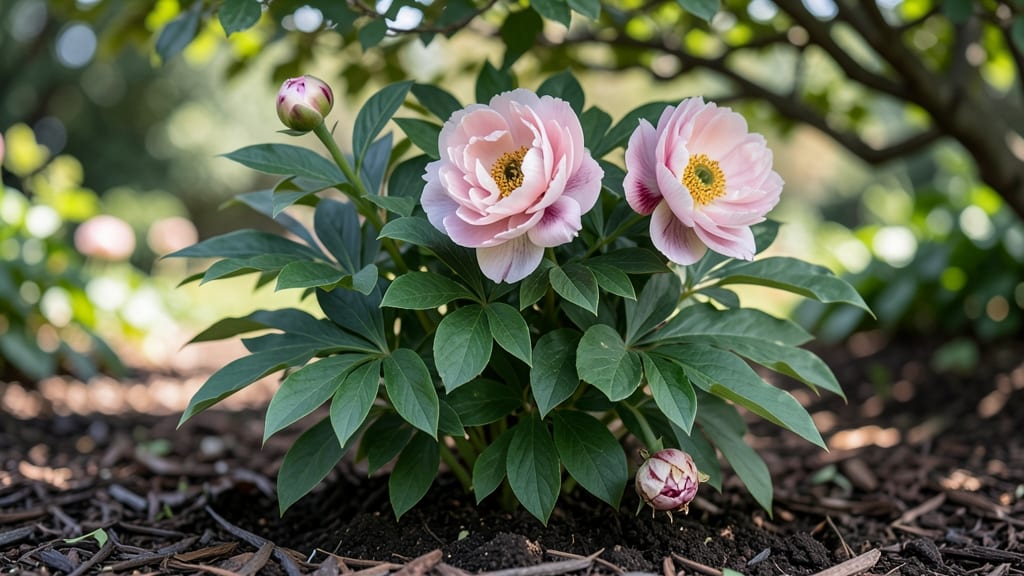
Mom’s perennials are cold-hardy plants that return year after year with minimal care, offering reliable blooms and lush foliage that adapt to diverse climates. Their hardiness and low-maintenance nature make them perfect for gardeners of all skill levels.
These plants earn their reputation by developing deep root systems that store nutrients and water, allowing them to survive freezing temperatures and dry spells. 🌱 Unlike annuals or tender perennials, Mom’s perennials like coneflowers and daylilies regrow from the same roots each spring, often producing more vibrant blooms with age.
I’ve seen gardens where these perennials thrive with just seasonal pruning and occasional watering—no fancy fertilizers or constant attention required.
What sets them apart is their ability to handle both cold snaps and heatwaves, making them ideal for regions with unpredictable weather. Many varieties also attract pollinators while requiring less effort than seasonal replanting.
For example, black-eyed Susans and hostas are classic choices that reward gardeners with decades of effortless beauty.
💡 In This Article
- Why Mom’s Perennials Survive Harsh Winters
- Top Cold-Hardy Mom’s Perennials for Year-Round Gardens
Why Mom’s perennials survive harsh winters
The secret to these plants' winter endurance lies in their deep root systems, which can extend 3-5 feet underground. These roots act like natural storage units, accumulating carbohydrates and moisture during the growing season to fuel regrowth when spring arrives.
Unlike annuals or tender perennials that die back completely, Mom’s perennials like coneflowers and black-eyed Susans enter a dormant state but keep their roots alive, ready to push new shoots when temperatures rise above 40°F.
Their frost tolerance comes from specialized cells that produce antifreeze proteins, similar to how some fish survive icy waters. For example, daylilies can withstand temperatures down to -20°F without damage, while hostas thrive in zones as cold as 3-9.
The key difference from annuals is their ability to regenerate from these hardy root structures rather than relying on seeds or tender stems that freeze and die.
Drought resistance plays a crucial role too. Many Mom’s perennials develop thick, waxy leaves that reduce water loss, while others like sedum store water in their fleshy stems. This adaptation allows them to survive dry spells that would kill less resilient plants.
The trade-off? Some varieties may need occasional deep watering during extreme droughts to maintain their vigor.
What most gardeners don’t realize is how these plants time their growth cycles. They often bloom in early spring or late summer when competition for resources is lower, giving them an edge.
For instance, bee balm produces its second flush of flowers in late summer when many annuals have already faded, extending the garden’s seasonal interest with minimal effort.
Another fascinating trait is their self-pruning mechanism. As temperatures drop, dead foliage naturally dies back, protecting the crown from rot while insulating the roots. This contrasts sharply with annuals that must be completely removed or tender perennials that need winter mulching to survive.
The result? Less work for you and more reliable performance year after year.
Consider this comparison: A marigold (annual) requires replanting every year, while a coneflower (perennial) planted in spring will return for decades with proper care. The initial investment in establishing these cold-hardy plants pays dividends in reduced maintenance and consistent beauty.
For gardeners in colder climates, this resilience means fewer surprises. You won’t need to rush to replant or worry about frost damage ruining your landscape. Instead, you can enjoy watching these plants age gracefully, often producing even more robust blooms each subsequent year—a testament to their built-in survival strategies.