
Flowers
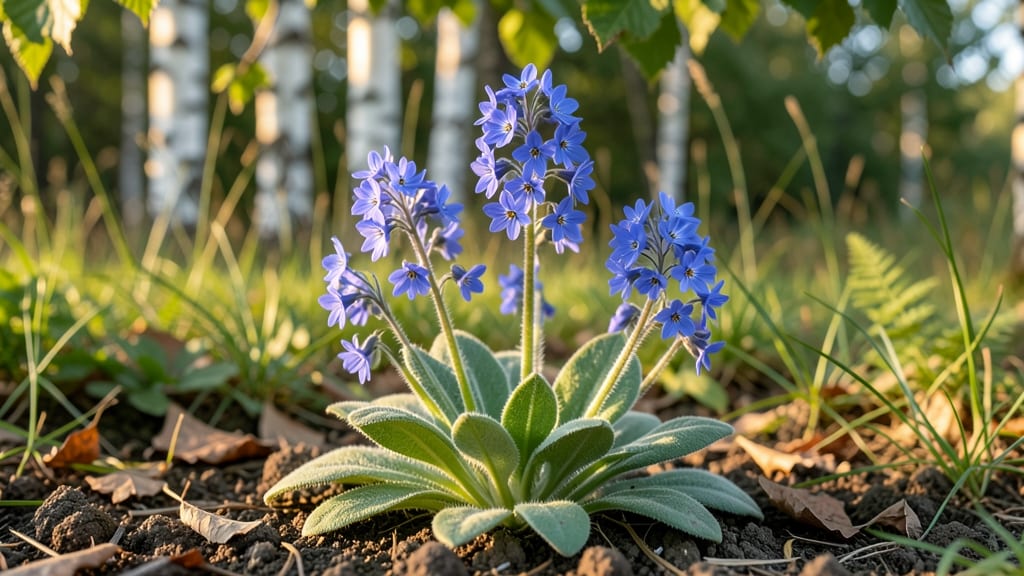
Forget-me-nots are NOT true perennials—they’re hardy annuals or biennials that die back in winter but often reseed prolifically. Only a few cultivars (like Myosotis sylvatica) may persist for 2-3 years in mild climates (USDA Zones 3-9).
Most forget-me-nots behave like annuals because their roots and foliage freeze in winter, leaving only seeds to carry on. 🌱 The exception is Myosotis sylvatica, which thrives in cooler regions and can return year after year—though even these may decline after 3 seasons.
Many gardeners assume forget-me-nots are perennials because they self-seed aggressively, creating dense clusters that look permanent. To encourage repeat blooms, plant them in well-drained soil and deadhead spent flowers regularly.
Understanding their true nature helps you manage expectations: while they won’t survive harsh winters like true perennials, their prolific reseeding often makes them feel like they do. For extended blooms, try planting in early spring and providing light winter mulch in Zone 3 areas.
💡 In This Article
- Why Forget-Me-Nots Die Back: Life Cycle vs. Perennial Claims
- Extending Forget-Me-Not Blooms: Planting and Care Hacks
Why forget-me-nots die back: life cycle vs. perennial claims
The confusion around forget-me-nots stems from their botanical classification. True perennials like hostas or daylilies regrow from the same root system each year, surviving winter dormancy.
Forget-me-nots, however, belong to the Myosotis genus, where most species are either annuals (completing their life cycle in one season) or biennials (taking two years to flower and set seed). Their foliage and roots freeze in winter, leaving only seeds to restart the cycle in spring.
Cold tolerance varies dramatically between species. The common garden forget-me-not (Myosotis scorpioides) thrives in USDA Zones 3-9 but behaves as an annual, dying back completely each winter.
In contrast, the woodland forget-me-not (Myosotis sylvatica) can persist for 2-3 years in mild climates because its roots develop deeper reserves. The key difference lies in their root structure: perennials store energy in thick rhizomes, while forget-me-nots rely on shallow, fibrous roots that can't withstand prolonged freezing.
Marketing often misleads gardeners by calling forget-me-nots "perennials" because they self-seed prolifically. A single plant can produce thousands of seeds, creating dense clusters that make them appear permanent. 🌱 However, these are new plants, not the same ones returning.
The only true exception is Myosotis sylvatica, which may return if given consistent moisture and protection from extreme cold. Even then, its lifespan rarely exceeds three years without intervention.
What most gardeners don't realize is that forget-me-nots' "perennial" behavior is purely a result of their aggressive reseeding strategy. Their tiny, 1-2mm seeds disperse easily, germinating wherever they land. This adaptation allows them to colonize quickly but doesn't make them true perennials.
For comparison, a true perennial like peony can live for decades from the same root system, while forget-me-nots start fresh each season.
Understanding this distinction helps explain why forget-me-nots often disappear after one season in colder climates. Their shallow roots simply can't survive winter temperatures below -20°F, which is why they're classified as hardy annuals rather than perennials.
The only way to maintain their presence is through consistent reseeding or careful cultivation of the few perennial varieties.