
Plants
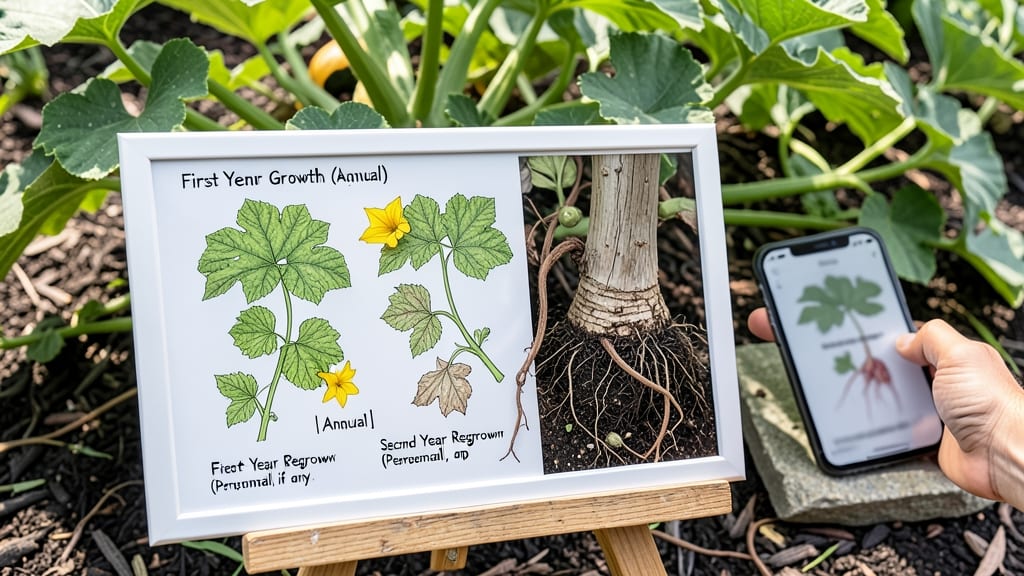
Pumpkin plants are not perennial—they die back after harvest—but their hardy vines can regrow from pumpkin seed storage organs (like winter squash) if left undisturbed in mild climates. Most garden varieties, however, require replanting annually due to frost sensitivity and energy demands of fruit production.
Pumpkin plants behave more like annuals because their aboveground growth shuts down after frost. 🌱 However, some varieties store energy in their roots or seed storage organs, allowing regrowth in frost-free zones if protected. The key difference?
True perennials (like asparagus) regenerate from underground roots, while pumpkins rely on stored reserves that deplete over time. I've seen gardeners in Zone 9 successfully overwinter vines by insulating them with mulch, but even then, the plants weaken after 2-3 years without replanting.
For those wanting a perennial-like experience, winter squash varieties like Cucurbita pepo (such as acorn or delicata) are better bets—they store more energy in their roots. These can sometimes survive mild winters and produce again, though they still aren't true perennials.
The trade-off? They require more care to establish strong storage organs before winter sets in.
💡 In This Article
- Why Pumpkins Die Annually: The Role of Storage Organs in Regrowth
- How to Extend Pumpkin Plant Lifespan in Your Garden
Why pumpkins die annually: the role of storage organs in regrowth
The confusion about pumpkin plants stems from their biological classification as annuals, but their ability to regrow from storage organs makes them behave like short-lived perennials.
Unlike true perennials such as asparagus or rhubarb—which regenerate from dedicated root systems—pumpkins rely on reserve energy stored in their vines and seed storage organs. These organs act like biological batteries, storing carbohydrates and nutrients produced during the growing season to fuel potential regrowth.
When frost hits, most pumpkin varieties trigger senescence—a programmed shutdown of aboveground growth—to conserve energy. However, in frost-free zones (like USDA Zone 10+), the vines can remain dormant underground, drawing on stored reserves to sprout new growth in spring.
This process is similar to how winter squash varieties like Cucurbita pepo (acorn or delicata) survive mild winters, though they still weaken after 2-3 years without replenishing their energy stores. 🌱
The critical difference lies in how these plants allocate energy. True perennials like peonies invest heavily in underground rhizomes or tubers, which can last decades. Pumpkins, however, prioritize fruit production—diverting up to 70% of their energy to growing pumpkins—leaving little for long-term storage.
This is why most gardeners must replant annually: the plant’s energy reserves are exhausted by frost or harvest.
Frost sensitivity is the biggest hurdle. Even in mild climates, temperatures below 40°F can damage storage organs, while prolonged cold (32°F) kills them entirely. This is why gardeners in Zone 9 often use thick mulch (straw or leaves) to insulate vines—creating a 5-10°F warmer microclimate around the roots.
Without this protection, the plant’s stored energy depletes faster, accelerating its annual lifecycle.
For comparison, consider the Cucurbita maxima group (like hubbard squash), which stores more energy in its roots than typical pumpkins. These can sometimes regrow for 2-3 years if left undisturbed, but even they aren’t true perennials—they’re more like biennials that rely on stored reserves rather than dedicated root systems.
The key takeaway? Pumpkins are annuals by design, but their storage organs give them a short-lived perennial edge in the right conditions.
What most gardeners overlook is the energy trade-off: the more pumpkins a plant produces, the fewer reserves it has for regrowth. This is why seed-saving varieties (like Cucurbita pepo) are better candidates for overwintering—they allocate energy more efficiently between fruit and storage.
In contrast, giant pumpkin varieties (e.g., Atlantic Giant) are energy vampires—they deplete reserves so quickly that regrowth is nearly impossible.