
Orchid Care
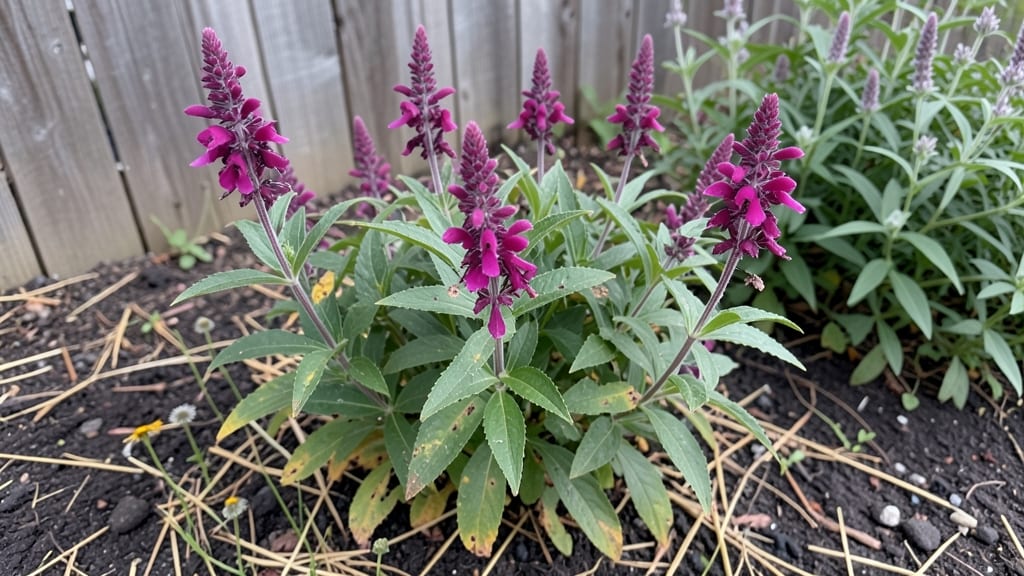
Moms orchids function as perennials in frost-free climates, where their tubers survive year-round to regrow annually, but they're typically treated as annuals in colder regions because freezing temperatures kill the foliage and tubers.
This distinction comes down to temperature tolerance—moms orchids thrive as perennials in zones 8-11, where they naturally enter dormancy during summer heat but regrow from the same tubers each spring. 🌱 In colder climates (zones 3-7), gardeners often dig up tubers after the first frost and store them indoors until replanting in spring, effectively treating them as annuals.
The key difference lies in the tubers' ability to withstand winter conditions: while they can survive light frosts when dormant, prolonged freezing will kill them.
What makes this interesting is how their growth cycle mirrors other tuberous plants like dahlias. The tubers store energy, allowing regrowth when conditions improve—whether that's the next spring or after being brought indoors.
This adaptability is why they're so popular in both warm and cold climates, though the care approach changes dramatically between regions.
💡 In This Article
- Moms Orchid Life Cycle in Different Climates
- How to Overwinter Moms Orchids for Year-Round Growth
Moms orchid life cycle in different climates
In frost-free climates like zones 8-11, moms orchids behave as true perennials by storing energy in their thick, fleshy tubers during summer dormancy.
These tubers, which can grow 4-6 inches in diameter, act like natural batteries—storing starches and nutrients to fuel regrowth when cooler temperatures return. 🌿 The plant's foliage naturally yellows and dies back in summer heat, but the tuber remains alive underground, ready to sprout new shoots when soil temperatures drop to 60-65°F in fall.
The regrowth process begins when tubers detect increased moisture and cooler air temperatures. Within 2-3 weeks of planting, you'll see new sprouts emerging from the tuber's crown, accompanied by a sweet, almost honey-like aroma that signals active growth.
In warm climates, this cycle repeats annually without intervention, with tubers often lasting 5-7 years before needing division. The key adaptation here is their ability to enter a summer dormancy rather than winter dormancy, which is why they thrive in regions without freezing temperatures.
Contrast this with colder climates where moms orchids face freeze damage. Tubers contain 80-85% water, making them highly susceptible to ice crystal formation when temperatures drop below 28°F.
The damage occurs in two ways: first, cell walls rupture from ice expansion, and second, the tuber's protective layers break down, exposing stored nutrients to microbial attack. 🥶 This is why gardeners in zones 3-7 must dig up tubers before the first frost—without this intervention, the plant's entire energy reserve is lost, and it cannot regrow in spring.
What's fascinating is how the orchid's growth strategy mirrors other tuberous perennials like cannas or caladiums, but with a crucial difference: moms orchids store energy above ground in their tubers rather than underground in rhizomes.
This makes them particularly vulnerable to frost heave (when soil freezes and expands, pushing tubers closer to the surface where they freeze). In warm climates, gardeners can leave tubers in the ground year-round, while in cold regions, proper storage at 40-50°F with 50-60% humidity becomes essential for survival.
Here's what happens when you don't protect tubers in cold climates: the first frost kills the foliage, but the tuber remains dormant until temperatures drop below 20°F, at which point cell death becomes irreversible. The plant's natural survival mechanism—tuber dormancy—becomes its downfall when exposed to prolonged freezing.
This is why many gardeners in colder zones treat them as annuals, replanting new tubers each spring rather than attempting to overwinter them.
The transition between perennial and annual treatment comes down to one critical factor: the length and severity of winter. In zone 8, where winters are mild, tubers often survive with minimal protection, while in zone 5, they require careful storage.
This geographical adaptation explains why moms orchids appear in both garden catalogs and wildflower meadows—nature's way of ensuring their survival through flexible growth strategies. 🌍