
Plants
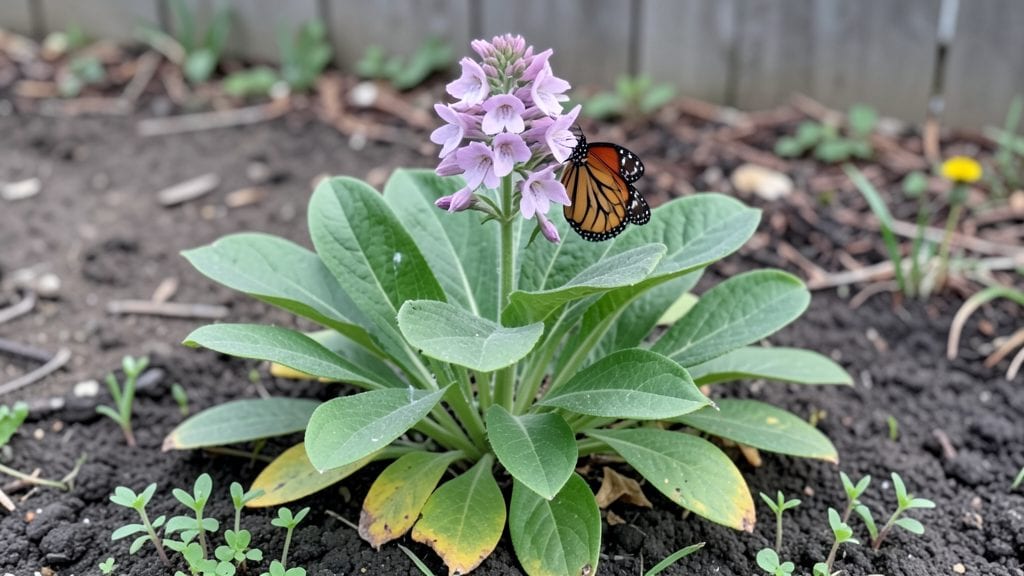
Milkweed plants are perennial in most climates, returning yearly from deep roots or tubers, though some tropical varieties may behave as annuals in colder zones. Their hardiness depends on species and winter conditions.
Most milkweed species thrive as perennials because their thick, fibrous root systems store nutrients and moisture, allowing them to regrow each spring. 🌱 For example, common milkweed (Asclepias syriaca) and butterfly milkweed (Asclepias tuberosa) are well-known for their resilience, often surviving even in USDA zones 3-9 with minimal care.
The key difference lies in their underground storage: some species rely on deep taproots, while others develop swollen tubers that act like natural food reserves. This adaptation explains why they bounce back so quickly after frost or drought.
However, tropical milkweed varieties (Asclepias curassavica) may struggle in colder regions, acting more like annuals if temperatures drop below 20°F. In these cases, gardeners often overwinter potted plants indoors or use protective mulch to preserve perennial growth.
The bottom line? Your success depends on matching the right species to your climate zone and providing the right winter support.
💡 In This Article
- Milkweed Perennial Growth Patterns by Species
- Extending Milkweed Lifespan in Harsh Climates
Milkweed perennial growth patterns by species
Here's what sets milkweed species apart in their regrowth cycles: common milkweed (Asclepias syriaca) stores energy in a thick, fibrous root system that can extend 6-12 feet deep, allowing it to survive 30-40 years with proper conditions.
This species typically emerges from dormancy in early spring (March-April) when soil temperatures reach 50°F, sending up new shoots from lateral buds along the root crown. The plant's ability to regenerate from even small root fragments makes it exceptionally resilient.
The butterfly milkweed (Asclepias tuberosa) takes a different approach, storing nutrients in swollen, carrot-like tubers that can weigh up to 2-3 pounds in mature plants. These tubers contain starch reserves that fuel rapid spring growth, often producing flowers within 60-90 days of emergence.
Unlike A. syriaca, A. tuberosa prefers well-drained soil and may go dormant earlier in fall, with foliage dying back by October-November in northern climates. This species' tuber system allows it to survive drought conditions better than many other milkweeds.
What most people don't realize is how these storage mechanisms work together with seasonal cues. Milkweed roots contain specialized cells that detect temperature changes, triggering dormancy when nights consistently drop below 40°F.
The plant's cambium layer (growth tissue) becomes inactive during winter, while the roots maintain just enough metabolic activity to prevent freezing. This precise biological timing explains why milkweed can regrow so vigorously each spring—it's been preparing underground all winter.
In colder climates (zones 3-5), common milkweed often produces multiple stems from its extensive root system, creating dense colonies over time. Meanwhile, butterfly milkweed typically grows in solitary clumps since its tuber system doesn't spread laterally.
This structural difference affects how they recover from damage: A. syriaca can regenerate from even small root fragments, while A. tuberosa requires at least 50% of its tuber mass to survive winter. The science behind this involves auxin hormone regulation, which controls root branching patterns differently in each species.
For gardeners in transitional zones (6-8), the key distinction becomes winter preparation. Common milkweed benefits from 3-4 inches of mulch to insulate its deep roots, while butterfly milkweed needs protection for its more vulnerable tubers.
The difference in their cold hardiness thresholds—common milkweed tolerates -30°F while butterfly milkweed struggles below -15°F—explains why one thrives in Minnesota while the other may freeze back in Virginia without protection. Understanding these species-specific patterns is crucial for successful perennial growth.
One fascinating adaptation worth noting is how milkweed roots develop mycorrhizal relationships with soil fungi during dormancy. These beneficial partnerships help store additional nutrients in the roots, giving milkweed an extra survival advantage.
The fungal networks can extend the plant's reach for water and minerals even when above-ground growth has ceased. This underground ecosystem is one reason why milkweed often outcompetes other plants in disturbed soils.