
Vegetables
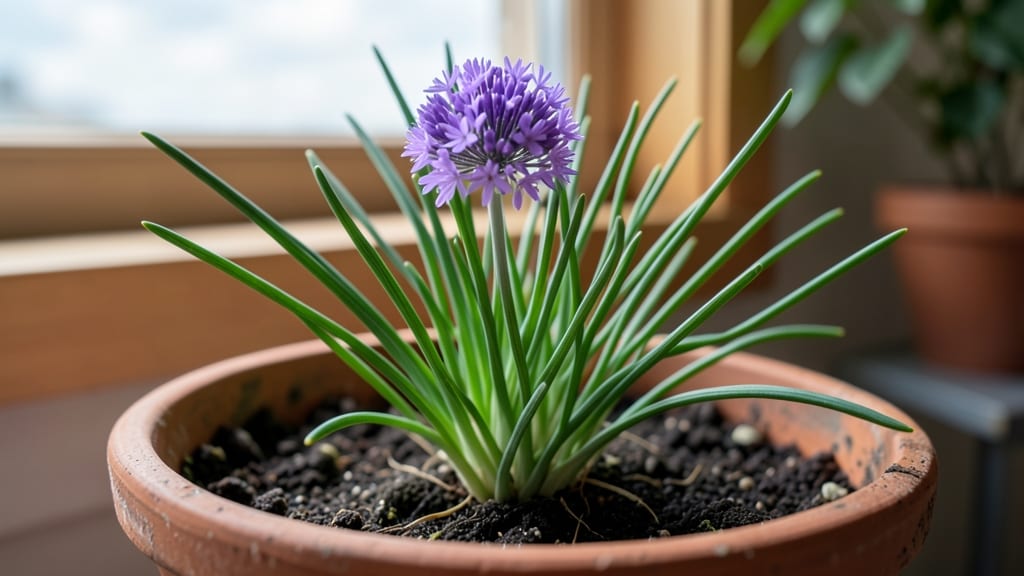
Yes, chives are perennial herbs that return year after year in hardiness zones 3 through 9, requiring only basic winter protection like mulching to survive freezing temperatures.
This hardiness comes from their unique rhizomatous root system, which stores energy underground and sends up fresh shoots each spring. 🌱 Unlike annual herbs that die back completely, chives simply go dormant in winter—making them ideal for gardeners who want consistent harvests with minimal replanting.
Their ability to thrive in cold climates (down to -40°F) means you can enjoy fresh chives for years without starting from seed annually.
What sets chives apart is their adaptability—they handle both frost and heat well, though their growth may slow during extreme cold snaps. Many gardeners report harvesting chives for 5+ years from the same patch with proper care, proving their true perennial nature.
💡 In This Article
- Chives’ Cold-Resistant Growth Cycle Explained
- Year-Round Chives Care for Zones 3-9 Gardens
Chives’ cold-resistant growth cycle explained
The secret to chives' perennial survival lies in their rhizomatous root system, a network of underground stems that store carbohydrates and nutrients like a natural battery. These rhizomes can endure freezing temperatures down to -40°F by entering dormancy—a state where metabolic processes slow dramatically, preserving energy.
Unlike tender annual herbs that perish in frost, chives simply pause growth until conditions improve in spring. 🌱
Scientifically, chives belong to the Allium family (like onions and garlic), which evolved to thrive in temperate climates. Their leaves die back in winter, but the rhizomes remain alive beneath the soil surface.
When temperatures rise above 35°F in spring, these stored reserves fuel rapid regrowth of fresh green shoots within 2-3 weeks. This cycle repeats annually, making chives one of the most resilient garden herbs.
Hardiness zones 3-9 provide ideal conditions because they offer consistent winter chill periods (below 40°F for 6-8 weeks) that trigger dormancy, followed by moderate spring temperatures that encourage regrowth.
In zone 3 (the coldest), chives may need 3-4 inches of mulch to protect rhizomes from extreme ground freezing, while zone 9 gardens benefit from their ability to handle summer heat without bolting prematurely.
What's fascinating is how chives adapt their growth patterns based on latitude. Northern gardens (zones 3-5) produce slower but hardier plants, while southern gardens (zones 7-9) often see more aggressive regrowth in early spring.
This geographic flexibility explains why chives thrive across such a broad range—from Minnesota to Florida—without requiring different cultivars.
The regrowth process begins when rhizomes detect increasing daylight and soil temperatures. New shoots emerge from the crown, developing from axillary buds that were dormant throughout winter.
This biological mechanism ensures chives always have backup growth points, preventing total crop failure even if some foliage is damaged by frost or pests.
For gardeners, this means chives become a self-sustaining resource. Once established, they require no replanting and often spread naturally through underground runners. The first harvest typically occurs 6-8 weeks after spring emergence, proving their reliability as a perennial herb that outperforms annual alternatives like cilantro or basil.
Understanding this growth cycle helps explain why chives are often found in historic kitchen gardens—they were valued for their ability to provide fresh flavor season after season with minimal effort. Their cold resistance makes them perfect for early spring cooking when other herbs are still dormant. 💛