
Trees
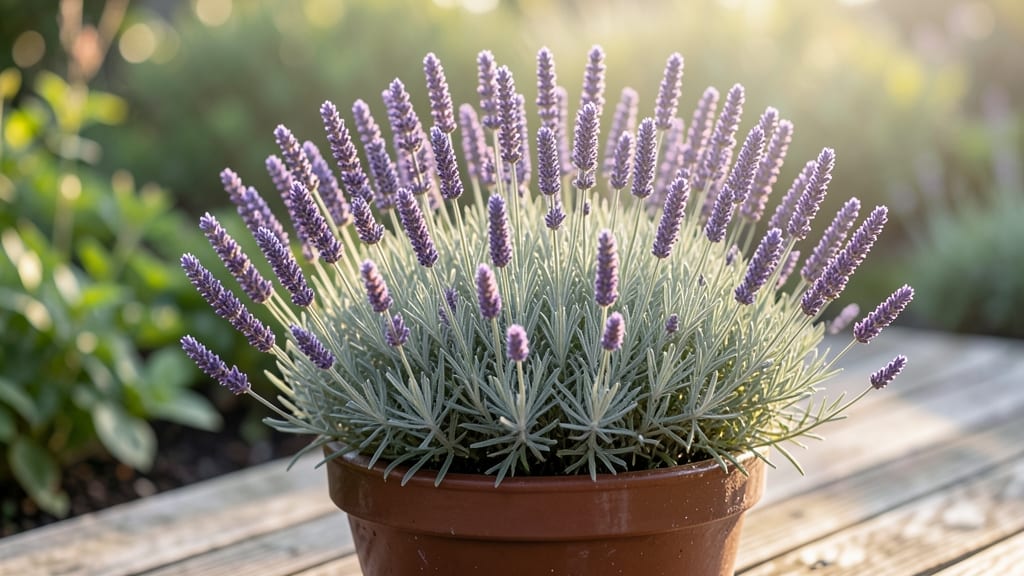
Lavender trees are not true perennials—they exhibit dieback habits, meaning they lose foliage in winter but regrow from the base each spring, classifying them as semi-evergreen or deciduous shrubs in cold climates.
This seasonal behavior stems from their Mediterranean origins, where lavender evolved to survive harsh winters by shedding leaves and entering dormancy. 🌿 Unlike traditional perennials that maintain foliage year-round, lavender trees prioritize root survival over leaf retention, making them more resilient in freezing conditions.
The key difference lies in their growth strategy—while perennials focus on consistent above-ground growth, lavender trees allocate energy to underground systems that regenerate each spring.
In colder climates, this adaptation becomes crucial for survival. Many gardeners mistakenly assume lavender trees are dead when they lose leaves, but their roots remain active beneath the soil.
This unique characteristic actually makes them more adaptable than many true perennials, which can suffer more extensive winter damage when exposed to freezing temperatures.
💡 In This Article
- Why Lavender Appears to Die Back in Winter
- How to Care for Lavender After Winter Dieback
Why lavender appears to die back in winter
Lavender's winter dieback stems from its evolutionary adaptation to Mediterranean climates, where summers are dry and winters are cold but rarely extreme. Unlike traditional perennials that maintain green foliage year-round, lavender trees prioritize root survival over leaf retention.
Their woody stems contain dormant buds just above the soil line, which remain protected by a thick bark layer that insulates against 10-20°F temperatures. This hardiness explains why lavender thrives in USDA zones 5-9, where true perennials might struggle.
The key mechanism is called "bud dormancy," where energy reserves stored in the roots and lower stems fuel regrowth once temperatures rise above 50°F in spring.
You'll notice new shoots emerging from the base rather than along the stems—this is your plant's survival strategy in action. 🌱 The woody stems themselves often retain their structure through winter, though they may appear brown and brittle, while the leaves drop to conserve moisture and energy.
This contrasts sharply with perennials like hostas, which maintain their foliage through winter.
What makes lavender's behavior unique is its semi-evergreen nature in milder climates. In zones 8-9, some varieties may retain a portion of their leaves year-round, but even these will experience partial dieback during cold snaps.
The Mediterranean climate's seasonal drought also plays a role—lavender's natural response to winter moisture is to shed leaves, preventing rot while keeping roots active. This dual adaptation explains why lavender often outlasts many traditional perennials in challenging conditions.
Consider the root system: lavender develops a deep, fibrous root network that extends 3-4 feet downward, anchoring the plant and storing carbohydrates for spring regrowth. This contrasts with many perennials that have shallow root systems.
The trade-off is that lavender's above-ground growth is slower in spring compared to true perennials, which have already established foliage by then. This delayed but reliable regrowth is what classifies lavender as a semi-evergreen shrub rather than a perennial.
One common misconception is that lavender's winter appearance means it's dead. The brown stems are actually protective structures that shield the dormant buds within.
In fact, lavender's ability to regenerate from these basal buds is what makes it so resilient—even if 80% of the plant appears dead, the roots and lower stems often remain viable.
This is why proper winter care focuses on protecting these critical growth points rather than trying to preserve the foliage.
The science behind this involves a process called "abscission," where the plant intentionally severs leaf connections to conserve water and energy. You can observe this happening in fall when leaves drop naturally, often accompanied by a slight brown discoloration at the stem attachment.
This controlled shedding is different from winter damage, which would show as blackened or mushy stems. Understanding this distinction helps gardeners know when to intervene and when to simply wait for spring regrowth. ⚡