
Flowers
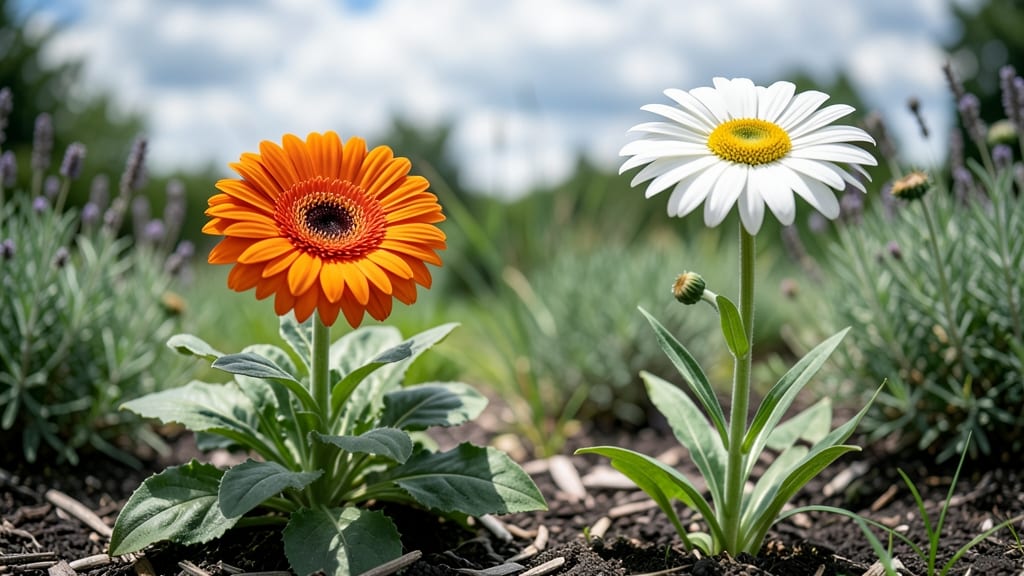
Daisies are perennial flowers that survive winter by dying back to the ground and regrowing from their root systems each spring, making them herbaceous perennials rather than evergreens.
This classification means daisies technically live for multiple years, though their above-ground growth disappears during cold months. 🌱 The key difference between daisies and true annuals lies in their root systems—while annuals complete their entire life cycle in one season, perennial daisies store energy underground to regenerate.
Many gardeners assume daisies behave like annuals because they appear to "disappear" in winter, but their roots remain dormant until warmer weather returns.
For example, Shasta daisies and Gerbera daisies are classic perennial varieties that thrive in USDA zones 5-9 when given proper winter mulching. The confusion often stems from self-seeding varieties that may appear annual because they produce so many offspring they dominate the garden space.
Understanding this cycle helps gardeners plan for year-round beauty rather than seasonal replanting.
💡 In This Article
- How Daisy Root Systems Determine Perennial Lifespan
- Best Perennial Daisy Varieties for Year-Round Garden Beauty
How daisy root systems determine perennial lifespan
Daisies primarily develop fibrous root systems rather than deep taproots, which allows them to spread horizontally while storing energy in underground rhizomes. These rhizomes contain specialized cells that convert stored starches into sugars during dormancy, sustaining the plant through winter when temperatures drop below 40°F.
The key mechanism is called "cold hardening"—a physiological process where daisy roots increase their antifreeze proteins by up to 30% to prevent ice crystal formation in their cells.
The depth of these rhizomes typically ranges between 6-12 inches below soil surface, with some hardy varieties like the Shasta daisy extending even deeper. What makes daisies appear annual is their above-ground growth habit: when frost hits, the leaves yellow and die back completely, leaving only the root system dormant.
This is why gardeners often mistake them for annuals—until you see the same plants re-emerge in spring from the exact same location. 🌱 The root system's ability to regenerate from just 1-2 inches of remaining rhizome is what truly defines their perennial nature.
Some daisy varieties, particularly those from warmer climates like the African Gerbera, have adapted different survival strategies. These may produce more shallow roots (3-6 inches deep) and rely on thicker rhizomes packed with more starch reserves.
In colder zones (USDA zones 3-4), gardeners must provide additional winter protection through mulching with 4-6 inches of straw or leaves to insulate these shallower root systems from extreme temperature fluctuations that can drop below -10°F.
The confusion between perennial and annual daisies often stems from self-seeding varieties that produce thousands of seeds annually. While these plants technically regrow from seed each year (making them appear annual), their parent plants are still perennials that could live 5-10 years or more with proper care.
For example, the Oxeye daisy can spread aggressively through both rhizomes and seed production, creating dense colonies that persist for decades in ideal conditions.
What most gardeners don't realize is that daisy root systems continue growing even during dormancy, though at a much slower rate.
Studies show that perennial daisy roots can increase their biomass by 15-20% during the winter months through a process called "cold acclimation," where they redirect energy from above-ground growth to root development. This explains why well-established daisy clumps often become more vigorous each subsequent year rather than declining.
For those in marginal climates, selecting varieties with proven cold hardiness makes all the difference. The 'Becky' Shasta daisy, for instance, has demonstrated survival through -25°F winters when properly mulched, while some Gerbera varieties struggle below 20°F.
Understanding these root system characteristics allows gardeners to make informed choices about which daisies will thrive in their specific microclimates. 💛