
Flowers
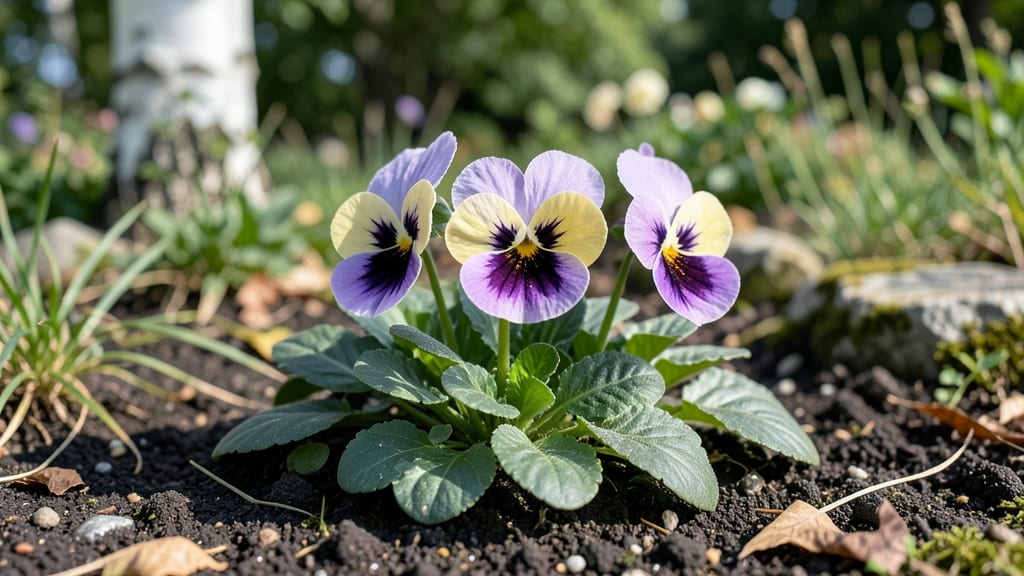
Johnny Jump-Ups (Viola tricolor) are perennials in mild climates, surviving winters through underground rhizomes that regrow foliage each spring. In colder regions, they often die back but reseed prolifically, returning annually as self-sustaining ground covers.
These cheerful flowers actually behave like perennials thanks to their clever underground storage system. 🌱 The rhizomes store nutrients during dormancy, allowing them to push new growth when conditions improve—even after a hard freeze.
What's fascinating is how they adapt: in zones 7-10, they'll keep blooming year after year, while in cooler areas (zones 4-6), they'll "sleep" through winter only to bounce back stronger from seeds or residual roots.
The key difference from true annuals is their ability to regenerate from established roots rather than relying solely on seed germination. This makes them low-maintenance once established—just give them well-draining soil and partial shade, and they'll reward you with continuous color.
For gardeners in marginal climates, a thick layer of mulch can make all the difference in protecting those vital rhizomes.
💡 In This Article
- Johnny Jump-Up Rhizome System Explained
- Climate Zones Where Johnny Jump-Ups Thrive Year-Round
Johnny Jump-up rhizome system explained
The secret to Johnny Jump-Ups' perennial behavior lies in their fibrous rhizome network, which acts like a natural storage battery. These underground stems store carbohydrates and nutrients during dormancy—typically in late fall—allowing them to regenerate above-ground growth when temperatures rise.
Unlike true annuals that complete their entire life cycle in one season, Johnny Jump-Ups can live for 3-5 years or longer in ideal conditions by tapping into these reserves.
What makes this system unique is how the rhizomes respond to temperature cues. When nighttime temperatures drop below 40°F (4°C) for extended periods, the plant triggers dormancy by converting stored sugars into insoluble starches. This biochemical process protects the plant from freeze damage while maintaining viability.
The rhizomes can shrink to just 1/3 their summer size during dormancy but remain capable of regrowth when conditions improve—often within 2-3 weeks of consistent warmth.
This adaptation gives Johnny Jump-Ups a competitive edge over true biennials, which typically complete their life cycle in two years. While biennials like foxgloves produce flowers in their second year before dying, Johnny Jump-Ups can continue flowering annually from the same root system.
The rhizomes also enable them to spread gradually through stolon-like growth, creating dense ground covers that suppress weeds while maintaining their vibrant displays.
One fascinating aspect is how these rhizomes interact with soil microbes. Research shows they form symbiotic relationships with mycorrhizal fungi, which enhance nutrient uptake during active growth periods.
This microbial partnership explains why established Johnny Jump-Ups often thrive in poor-quality soils—they're not just surviving, they're actively improving their growing conditions over time through this underground network.
For gardeners, understanding this system means you can prune back dead foliage in late fall without harming the plant, as the rhizomes remain alive below ground.
In colder climates, the rhizomes may survive down to zone 4 (-30°F/-34°C) with proper protection, though they'll often reseed as a backup strategy when winter conditions are severe.
The visual difference between annual and perennial Johnny Jump-Ups becomes apparent in their second year. Annual varieties planted from seed will typically die completely after flowering, while perennial plants will push new growth from the same location, often with larger, more robust blooms as they mature.
This persistence makes them ideal for low-maintenance borders and containers where you want reliable color year after year.