
Plants
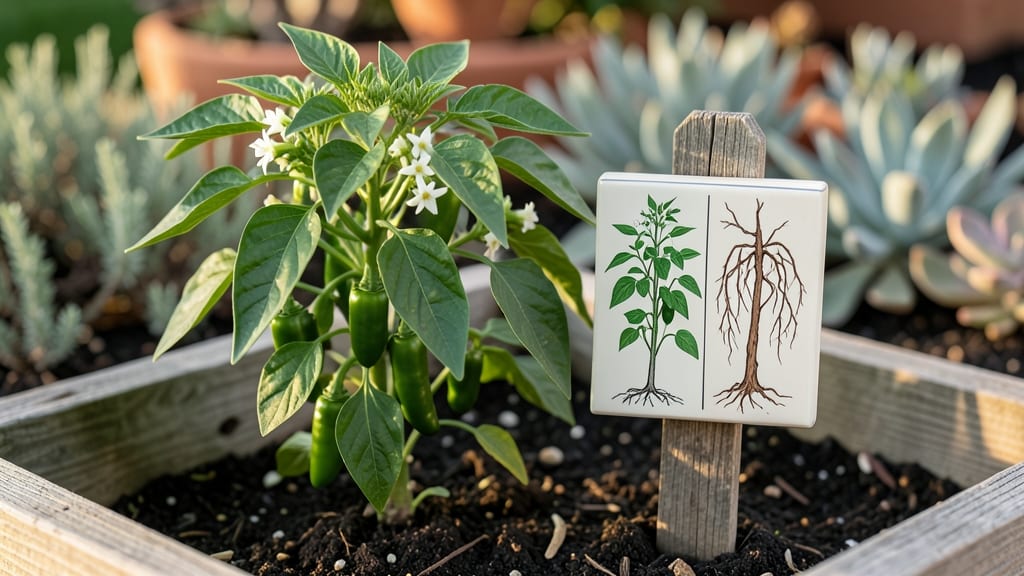
Jalapeno plants aren't true perennials in most climates, but their underground rhizomes can regrow each year if you protect them from frost and replant them in warmer zones. With the right winter care, you can keep them producing for multiple seasons.
Jalapenos thrive as annuals in most gardens because they can't survive freezing temperatures, but their hidden rhizomes hold the key to extending their life. 🌱 These thickened roots store energy and can sprout new growth when conditions warm up again.
In USDA zones 9-11 where winters are mild, they often regrow naturally each spring, while gardeners in cooler zones can save rhizomes indoors or in insulated containers to restart growth.
The secret lies in their ability to enter dormancy—when temperatures drop below 50°F, they stop growing but remain viable underground until warmer weather returns.
This survival trick means you're not stuck with one season of harvests. With proper care—like mulching heavily before winter or moving container-grown plants to a garage—you can coax jalapenos back to life year after year.
The trade-off? While they won't live indefinitely like true perennials, their rhizomes can persist for 3-5 years with consistent protection, making them semi-perennial in practice for dedicated gardeners.
💡 In This Article
- How Jalapeno Rhizomes Survive Winter Conditions
- Year-Round Jalapeno Growing Strategies for Gardeners
How jalapeno rhizomes survive winter conditions
Jalapeno plants rely on their rhizomes—thick, underground stems—to survive winter. These specialized structures store carbohydrates and nutrients, allowing the plant to enter dormancy when temperatures drop. The process begins when nighttime temperatures consistently fall below 50°F, triggering the rhizome to slow metabolic activity and reduce water loss.
Unlike true perennials, jalapenos don't have specialized winter buds, but their rhizomes can remain viable for years if protected from freezing (28°F or lower).
In tropical climates (like USDA zones 9-11), jalapenos often regrow naturally each spring because winter temperatures rarely drop below 40°F. The rhizomes remain active, producing new shoots when soil temperatures rise to 60°F or warmer.
However, in temperate zones, gardeners must intervene to mimic these conditions. The rhizome's ability to regrow depends on maintaining moisture (around 40-50% soil moisture) and preventing complete desiccation during dormancy. 🌱
What makes this survival mechanism fascinating is the hormonal shift that occurs. As temperatures drop, the rhizome increases production of abscisic acid, a plant hormone that promotes dormancy and stress tolerance.
When spring arrives, rising temperatures trigger a surge in gibberellins, which break dormancy and stimulate new shoot growth. This hormonal dance explains why jalapenos can bounce back so reliably when given proper winter care.
There's a critical difference between tropical and temperate adaptations. In warmer climates, jalapenos evolve to handle mild winters with minimal dormancy, while temperate varieties develop deeper rhizomes to insulate against colder spells.
The rhizome's size matters too—larger ones (about 2-3 inches in diameter) store more energy, increasing survival chances. Gardeners in cooler zones should select varieties with naturally robust rhizomes for better overwintering success.
The science behind this survival strategy involves cellular changes too. During dormancy, rhizome cells shrink slightly to reduce water content, creating a natural insulation layer. This adaptation prevents ice crystal formation that could rupture cells.
When spring arrives, the reverse process occurs: cells rehydrate, and stored nutrients fuel rapid regrowth. This biological efficiency is why jalapenos can produce fruit within 60-75 days of new growth each season.
One common misconception is that all jalapeno rhizomes are equally hardy. In reality, their survival potential varies by 10-15% depending on the plant's genetic lineage. Heirloom varieties often have superior rhizome resilience compared to commercial hybrids bred for rapid fruiting rather than longevity.
For gardeners, this means selecting seeds labeled for "perennial" or "overwintering" potential when aiming for multi-year growth.
Understanding these biological processes helps explain why proper winter care can extend a jalapeno's productive life. With the right conditions, these underground structures can persist for 3-5 years, making jalapenos effectively semi-perennial in gardening practice—even if they're not botanically classified as true perennials. 💫