
Orchid Care
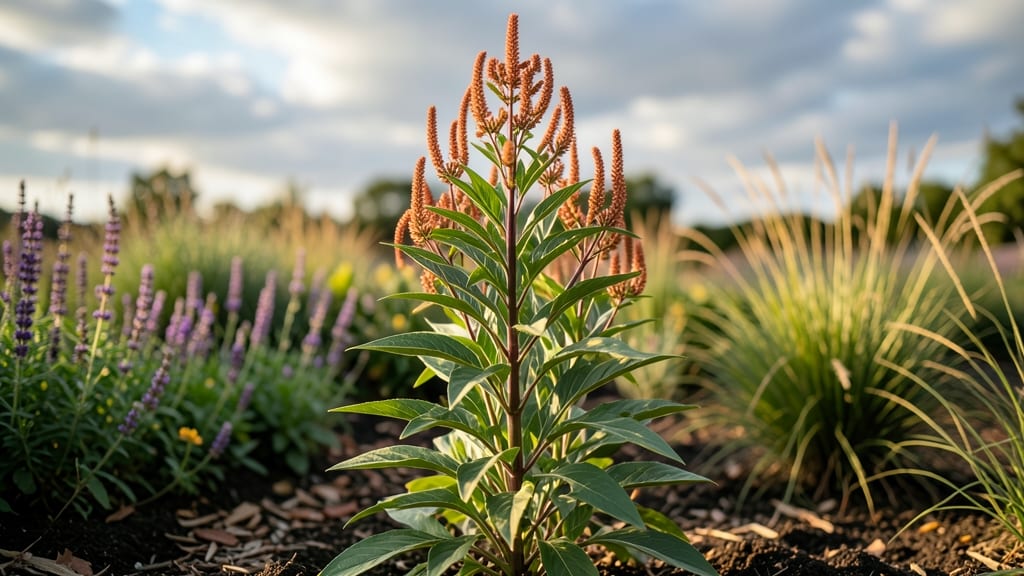
Determining whether amaranthus is annual or perennial depends on the variety: most grow as annuals, but certain types develop underground rhizomes that allow them to regrow from roots under ideal conditions, though they rarely persist through harsh winters.
This distinction comes down to the plant's ability to form rhizomes—thickened underground stems that store nutrients. 🌱 While true perennials like asparagus or hostas rely on these structures to survive year after year, amaranthus varieties with rhizomes only exhibit limited perennial behavior.
They'll regrow if temperatures stay above freezing and moisture levels remain consistent, but extreme cold or drought will still kill them back to the ground. The key difference is that amaranthus rhizomes aren't as robust as those in dedicated perennials, making them more sensitive to environmental stress.
For gardeners hoping to extend amaranthus growth, selecting rhizomatous varieties like 'Love Lies Bleeding' or 'Joseph's Coat' gives you the best chance. These types produce thicker roots that can survive mild winters in zones 8-10, though they'll still need protection from frost.
The trade-off? You're not getting a true perennial—just a plant that might give you a head start next season if you're willing to put in some extra care during winter months.
💡 In This Article
- How Amaranthus Rhizomes Influence Its Growth Cycle
- Growing Amaranthus Like a Perennial: Practical Tips for Gardeners
How amaranthus rhizomes influence its growth cycle
Amaranthus rhizomes are specialized underground stems that store carbohydrates and nutrients, allowing the plant to regenerate after dieback. Unlike true perennials—such as asparagus or hostas—which develop extensive, long-lived root systems, amaranthus rhizomes are smaller and less robust.
These rhizomes form when the plant senses consistent moisture and moderate temperatures (70-80°F) during its growing season, typically between 60-90 days after germination. The process begins when lateral buds on the plant's base begin producing horizontal stems that grow underground, thickening as they store energy reserves.
The development of these rhizomes is directly tied to environmental cues. Amaranthus plants prioritize seed production in their first year, but if conditions remain favorable—particularly in warm climates with mild winters—they'll allocate resources to rhizome growth instead.
For example, in USDA Hardiness Zones 8-10, varieties like 'Joseph's Coat' may produce rhizomes that survive winter, while in colder zones (below Zone 7), the rhizomes often freeze back to the ground.
Moisture is critical too: drought stress halts rhizome development, forcing the plant to focus on seed production instead.
What sets amaranthus apart from true perennials is its limited energy reserves. A hosta rhizome might contain enough starch to sustain the plant for years, but amaranthus rhizomes typically store just enough to regenerate a few new shoots in spring.
This is why even rhizomatous varieties rarely survive more than 2-3 years without intervention. The trade-off is that these rhizomes allow for quicker regrowth in spring—sometimes within 2-4 weeks—compared to planting new seeds each year.
Another key difference lies in the plant's reproductive strategy. True perennials invest heavily in root systems to ensure survival, while amaranthus prioritizes seed dispersal. The rhizomes act more like a "safety net" than a long-term survival mechanism.
For instance, if you cut back a rhizomatous amaranthus plant in fall, it may still produce new shoots from the roots if temperatures stay above 40°F and soil moisture remains adequate. However, once frost hits, even these resilient rhizomes struggle to survive.
Gardeners often confuse amaranthus rhizomes with those of true perennials, but the science is clear: amaranthus lacks the deep, extensive root systems of plants like bamboo or iris.
Instead, its rhizomes are more like a "short-term memory" for the plant—enough to get it through one more growing season but not enough for true perennial behavior. This is why even the hardiest amaranthus varieties will eventually die back in cold climates unless you take active steps to protect them.
For those curious about the mechanics, think of amaranthus rhizomes as a temporary energy bank. They store about 20-30% starch by dry weight—far less than potatoes (which store 70-80% starch)—and rely on rapid regrowth rather than long-term dormancy.
This adaptation makes sense for a plant that evolved in tropical and subtropical regions where winter dieback is less of a concern than in temperate climates.