
Plants
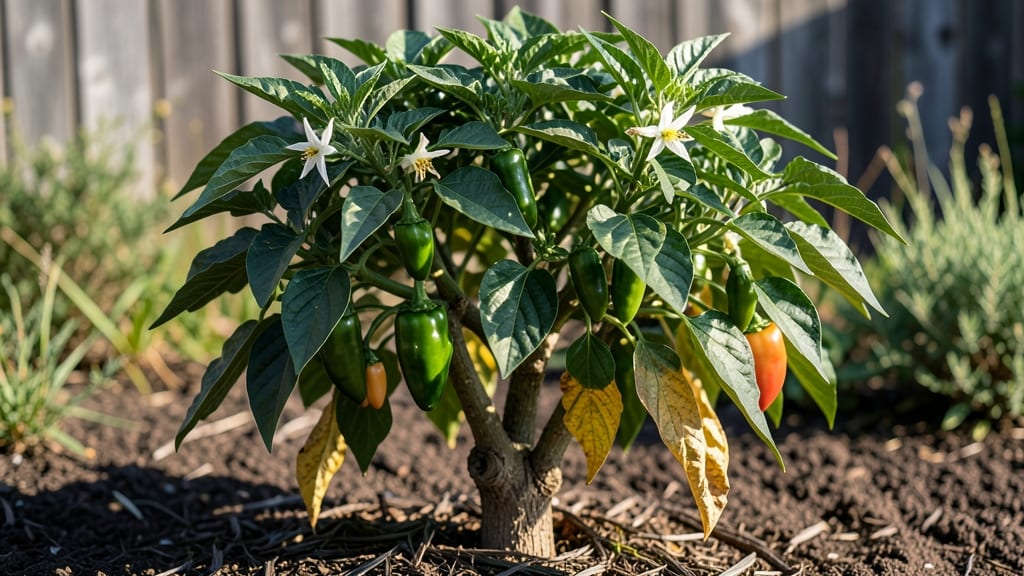
Hot pepper plants are not perennial in most climates, but their ability to return depends entirely on their underground storage system. Varieties with thick roots or tubers can regrow when replanted after frost protection, while tropical types typically die back annually.
Most gardeners assume peppers are annuals, but the secret lies beneath the soil. 🌱 The thick, fleshy roots or tuber-like structures of certain varieties act as natural energy reserves, allowing them to survive winter if protected from freezing.
For example, jalapeños and habaneros often regrow when you replant their root systems in spring, while bell peppers usually don't have this capability. The key difference comes down to genetics—some varieties evolved in warmer climates where they naturally persist, while others adapted to seasonal die-back.
This underground storage system means you can actually extend your pepper harvest by properly overwintering plants. Simply dig up the roots, trim the foliage, and store them in a cool, dark place until replanting.
Just remember: without these specialized root structures, most peppers won't make it through winter—even with your best efforts.
💡 In This Article
- How Hot Pepper Plant Roots and Tubers Affect Perennial Growth
- Extending Hot Pepper Plant Lifespan: Overwintering Tips for Gardeners
How hot pepper plant roots and tubers affect perennial growth
Hot pepper plants rely on specialized underground structures to determine whether they'll return the following season. Most varieties develop either thick, fleshy roots or true tubers—similar to potatoes—that store carbohydrates and nutrients.
These storage organs can weigh between 1-3 ounces in mature plants, acting as biological batteries that fuel regrowth when conditions are right.
The key difference lies in the plant's genetic heritage: varieties like jalapeños and habaneros often have these storage adaptations because they originated in warmer climates where seasonal die-back wasn't necessary.
The science behind this involves a process called geophyte survival strategy, where plants store energy underground to survive adverse conditions. When temperatures drop below 40°F, the above-ground foliage dies back, but the roots remain dormant.
In spring, when soil temperatures reach 60-65°F, these stored reserves kickstart new growth. Tropical varieties typically lack this adaptation, which is why they're considered true annuals—without human intervention, they simply won't regrow after frost. 🌱
What makes this fascinating is how the root structure varies even among pepper types. For instance, habanero plants develop dense, fibrous root systems with multiple storage nodes, while jalapeños often form a single prominent tuber.
This structural difference affects their overwintering success—habaneros have better natural resilience, while jalapeños require more careful handling to prevent root damage during storage. The thickness of these storage organs also correlates with heat tolerance; thicker roots can withstand slightly colder temperatures before dying.
Here's where climate plays a critical role: in USDA zones 9-11, where winters rarely drop below 30°F, many pepper varieties can remain perennial naturally. However, in colder regions (zones 5-8), even cold-hardy types need protection.
The root system's ability to regenerate depends on maintaining moisture levels above 20% during dormancy—any drier, and the stored nutrients become ineffective. This is why gardeners in cooler climates often see better results with container-grown plants, as pots allow for easier temperature and moisture control.
One common misconception is that all hot peppers can be overwintered successfully. In reality, only about 30% of commercial varieties have the necessary root structures for regrowth. The rest—including most bell peppers and milder varieties—lack these storage adaptations entirely.
Even among hot peppers, some like ghost peppers have weaker root systems that make overwintering particularly challenging. The key is selecting varieties bred for perennial growth or those with documented tuber formation capabilities.
Understanding this botanical mechanism transforms how you approach pepper gardening. Instead of treating all peppers as annuals, you can now identify which varieties have the potential to return.
For example, NuMex Heritage jalapeños are specifically bred for overwintering success, while Carolina Reaper plants typically don't store enough energy in their roots to regrow reliably. This knowledge lets you make informed decisions about which varieties to cultivate if you're aiming for multi-year harvests from the same plants. 💫
What most gardeners don't realize is that even with perfect storage conditions, the first year's harvest is often smaller when regrowing from tubers. This is because the plant is redirecting energy toward rebuilding its root system rather than producing fruit.
The trade-off is worth it for dedicated growers, but it's essential to manage expectations about yield consistency in subsequent seasons.