
Orchid Care
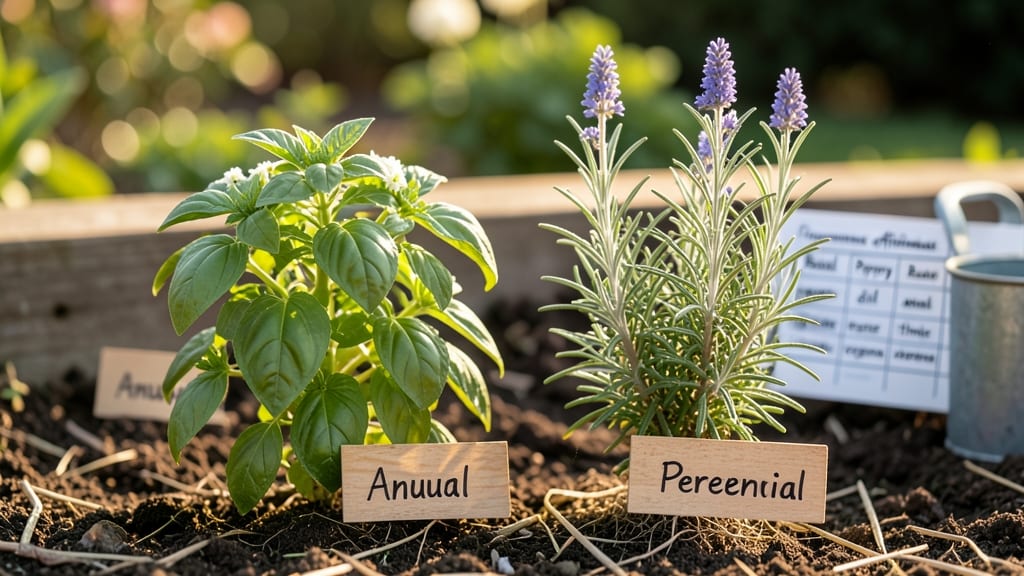
Herbs are annuals, perennials, or biennials depending on their species: annuals like basil grow and flower in one season, while hardy perennials such as rosemary return year after year. Environmental factors like temperature and care also determine how long they thrive.
Whether you're growing herbs for cooking or ornamental purposes, their lifespan classification directly impacts how you'll cultivate them.
Annual herbs like cilantro or dill complete their life cycle in a single growing season, making them ideal for quick harvests, while perennials such as oregano or lavender establish deep root systems that let them survive winter dormancy and regrow each spring. 🌱 The key difference lies in their biological hardiness—annuals focus energy on rapid growth and seed production, while perennials prioritize long-term survival through tougher stems and extensive root networks.
Climate plays a major role too: tender annuals like basil thrive in warm climates but may bolt or die in cooler zones, while cold-hardy perennials such as thyme can withstand frost.
Even biennials like parsley follow a different pattern, storing energy in their first year to flower and seed in the second. Understanding these patterns helps you plan your herb garden for maximum yield and longevity.
💡 In This Article
- How Climate and Growth Habits Determine Herb Lifespan
- Best Herbs for Perennial Gardens vs. Annual Planting
How climate and growth habits determine herb lifespan
The lifespan of herbs hinges on their biological adaptations and environmental conditions. Annual herbs like basil and cilantro complete their entire life cycle—from seed to flower to seed—in just one growing season, typically lasting 90-180 days.
Their rapid growth is fueled by storing energy in seeds rather than developing persistent structures, which is why they thrive in warm climates where frost isn't a threat. 🌿
Perennial herbs, such as rosemary and thyme, have evolved to survive multiple growing seasons through specialized adaptations. These include deep root systems that access water and nutrients year-round, and woody stems that protect against cold snaps.
For example, rosemary's roots can extend 3-5 feet deep, allowing it to endure drought and temperatures down to 15°F with proper mulching. The trade-off? Perennials grow more slowly initially but reward gardeners with years of harvests.
Temperature tolerance is the defining factor separating tender annuals from hardy perennials. Annuals like dill and parsley (often biennial) bolt or die when nighttime temperatures drop below 40°F, while perennials like oregano and lavender can withstand -10°F to -20°F with winter protection.
Even within perennials, cold-hardiness varies: Zone 5-6 herbs like winter savory thrive in northern climates, while Mediterranean natives like oregano need Zone 7+ protection.
Dormancy is another critical mechanism. Perennials enter a semi-dormant state during winter, conserving energy in their roots while above-ground growth halts. This process is triggered by shorter daylight hours and cooler temperatures, a survival strategy that allows them to "reset" each spring.
Annuals, lacking this ability, must complete their life cycle before frost kills them—hence their reliance on quick reproduction.
Soil and sunlight also play roles. Perennials often prefer well-draining soil to prevent root rot during winter thaw, while annuals can tolerate poorer conditions since they don't persist long-term.
For instance, basil—an annual—thrives in rich, moist soil but wilts if roots stay soggy, whereas rosemary—perennial—prefers gritty, fast-draining mixes to mimic its Mediterranean habitat. 🌡️
What most gardeners overlook is how these traits interact with cultivation practices. Annuals benefit from succession planting (sowing new seeds every 2-3 weeks), while perennials reward long-term care like pruning and dividing every 3-5 years to maintain vigor.
Understanding these patterns lets you match herbs to your climate and gardening goals—whether you want quick harvests or low-maintenance perennials.