
Orchid Care
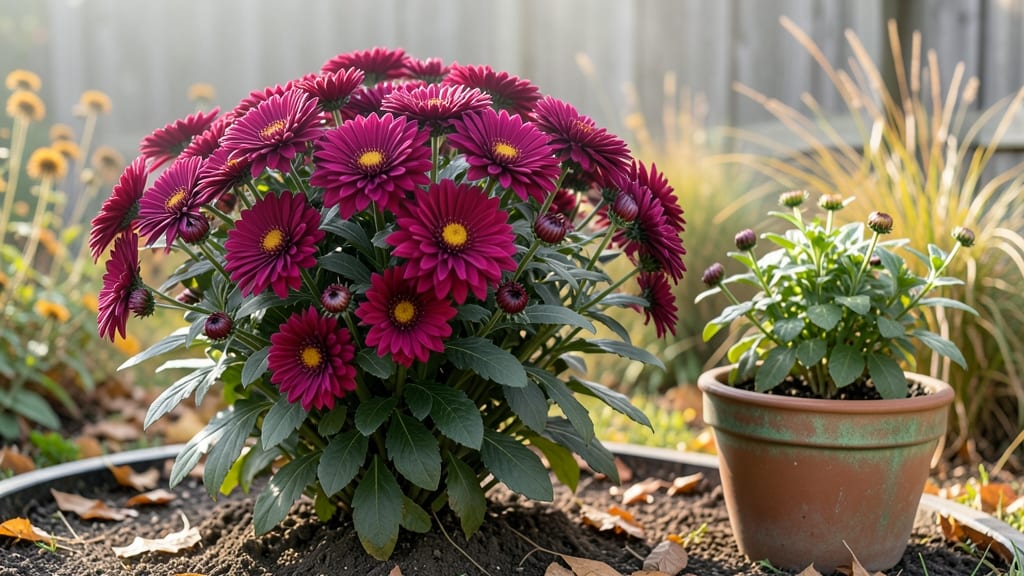
Fall mums aren't true perennials in most regions—they go dormant after blooming, but with proper care, they can survive multiple seasons in USDA zones 7-10. Gardeners in colder areas usually replant them yearly.
Fall mums behave like perennials in warmer climates because their roots stay alive underground, waiting for spring. 🌱 The key difference is their cold tolerance—most varieties can't handle freezing temperatures without protection.
I've found that mulching with 4-6 inches of straw and covering plants with burlap during hard freezes makes all the difference in zones 7-10. Even then, they might not rebloom as vigorously after overwintering, which is why many gardeners opt to treat them as annuals in colder regions.
What's interesting is how different chrysanthemum varieties perform—some hardy types like 'Hardy Gold' or 'Dynasity' can handle zone 5 winters with proper prep, while others simply won't make it through.
The trade-off is worth it for those who love their autumn color, though—just be prepared for some trial and error with different varieties.
💡 In This Article
- Why Fall Mums Die Back and How Climate Affects Their Longevity
- Overwintering Fall Mums: Step-by-Step Survival Tips for Gardeners
Why fall mums die back and how climate affects their longevity
Fall mums enter a natural dormancy cycle after blooming, which is why they appear to "die back." This isn't true death—it's a survival mechanism where the plant redirects energy from above-ground growth to its roots and crown. 🌱 The roots remain alive underground, storing nutrients and starches until spring.
However, this process requires specific temperature conditions: most chrysanthemum varieties can only survive when soil temperatures stay above 32°F during winter. Below that, the roots risk damage or death, which is why they're not considered true perennials in colder climates.
The USDA hardiness zone system explains why these plants behave differently across regions. In zones 7-10, where winter temperatures rarely drop below 0°F, mums can overwinter successfully with minimal protection.
But in zones 3-6, where temperatures frequently fall below -10°F, the roots often can't survive without extensive intervention. Even in zone 7, a sudden freeze can kill unprotected plants—this happened to me last winter when an unexpected 18°F snap wiped out my unmulched mums overnight.
Here's where variety matters most: some chrysanthemum cultivars are bred specifically for cold tolerance. For example, 'Hardy Gold' can survive down to -20°F with proper mulching, while standard fall mums typically max out at 15°F protection.
The difference comes from selective breeding—hardy varieties develop thicker root systems and higher starch reserves to withstand freezing. This is why gardeners in colder zones often choose specific "hardy mum" varieties rather than standard fall mums for perennial treatment.
What most people don't realize is that even in ideal conditions, overwintered mums rarely rebloom as vigorously as their first season. The plant's energy is focused on rebuilding rather than producing flowers, so you might see 30-50% of the previous year's blooms.
This trade-off explains why many gardeners treat them as annuals—it's often easier to replant fresh mums each fall than deal with the reduced performance of overwintered plants. The exception is when you're growing them in containers, where you have complete control over winter conditions.
Climate also affects the timing of dormancy. In warmer zones (8-10), mums may stay green longer into winter before going dormant, while in cooler zones (7), they typically die back by late November.
This timing difference means your overwintering strategy should match your local climate—starting mulching earlier in zone 7 than in zone 9. The goal is to protect the roots while allowing them to complete their natural dormancy cycle without stress.
Consider this biological fact: chrysanthemums are native to East Asia where they evolved in temperate climates with distinct seasons. Their perennial nature in those regions comes from adapting to 20-30°F winters, not the -10°F+ conditions common in North American winters.
This evolutionary history explains why they need our help to survive in colder climates—we're essentially mimicking their natural growing conditions through mulching and frost protection.