
Plants
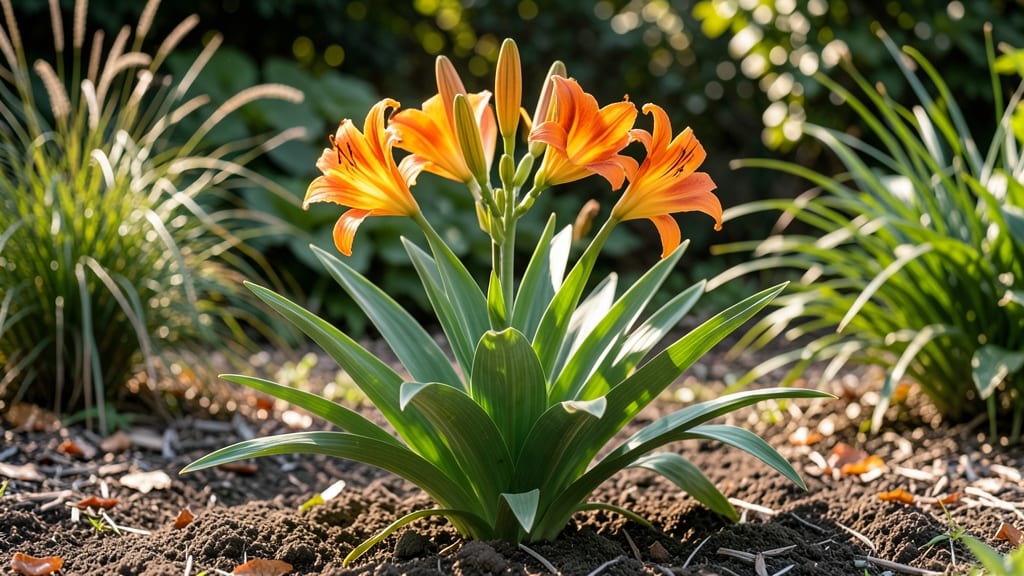
Yes, day lilies are perennials that thrive year after year, dying back to the ground each winter but regrowing from their rhizomes in spring, making them cold-resistant in USDA zones 3-9.
Day lilies earn their perennial status through their underground rhizomes, which store nutrients and energy during dormancy. 🌱 Unlike true bulbs, these thickened stems spread horizontally, creating a network that ensures regrowth even after severe freezing.
This makes them far hardier than many gardeners realize—they can handle temperatures as low as -30°F when properly established. What's fascinating is how they time their dormancy: cooler fall temperatures trigger the leaves to yellow and die back, while warmer spring soil signals the rhizomes to push new shoots.
This biological cycle explains why day lilies often outlast other perennials in challenging climates. Their ability to regenerate from just a small rhizome piece means they're also incredibly resilient after division or accidental damage.
For gardeners in colder zones, this means less worry about winter kill—just proper planting depth and seasonal mulch to protect the crown.
💡 In This Article
- How Day Lilies Survive Winter Through Rhizome Biology
- Caring for Day Lilies as Perennials: Planting, Mulching, and Seasonal Tips
How day lilies survive winter through rhizome biology
Day lilies rely on their specialized underground rhizomes—thick, horizontal stems—to store carbohydrates and nutrients during dormancy, a process called geophyte storage. Unlike true bulbs (like tulips), which store energy in layered scales, day lily rhizomes act like living batteries, capable of regenerating even after severe cold.
Studies show these rhizomes can survive temperatures down to -30°F when protected by 3-4 inches of soil, thanks to their high sugar content that acts as a natural antifreeze.
The magic happens in fall when cooler temperatures trigger the plant's dormancy cycle. Ethylene gas—a plant hormone—signals the leaves to yellow and die back, while the rhizome shifts resources underground.
This isn't just passive survival; it's an active metabolic shift where the rhizome converts stored starches into sugars that protect cell membranes from freezing damage. In spring, rising soil temperatures (50-55°F) break dormancy, prompting new shoots to emerge from the rhizome's growth nodes.
What sets day lilies apart from other perennials is their rhizome's ability to spread and multiply each year. Unlike bulbs that produce offsets, day lily rhizomes grow horizontally, creating a dense network that increases cold resistance.
This explains why established clumps often survive winters in zones 3-9 without protection—each rhizome acts as an independent survival unit. The trade-off? Their aggressive spread means they can outcompete weaker plants in the garden.
Comparing them to true bulbs reveals key differences: tulip bulbs store energy in layers, while day lily rhizomes store it throughout their entire length. This structural difference means day lilies can regrow from even small fragments, whereas bulbs require more intact tissue.
The rhizome's vascular system also allows it to transport water and nutrients more efficiently during regrowth, giving day lilies their reputation for resilience.
One fascinating adaptation is their ability to time dormancy with precision. Research shows day lilies enter dormancy when day lengths shorten and temperatures drop below 60°F for several weeks. This environmental cue ensures they don't waste energy on late-season growth that could freeze.
In contrast, many annuals would keep growing until killed by frost, highlighting the day lily's evolutionary advantage as a perennial.
For gardeners, this biology translates to practical benefits: proper planting depth (2-3 inches below soil) ensures rhizomes stay insulated, while avoiding heavy mulch in summer prevents rot.
The rhizome's ability to regenerate means even neglected plants can bounce back with minimal care—just remove dead foliage in fall and wait for spring's warmth to trigger new growth.