
Plants
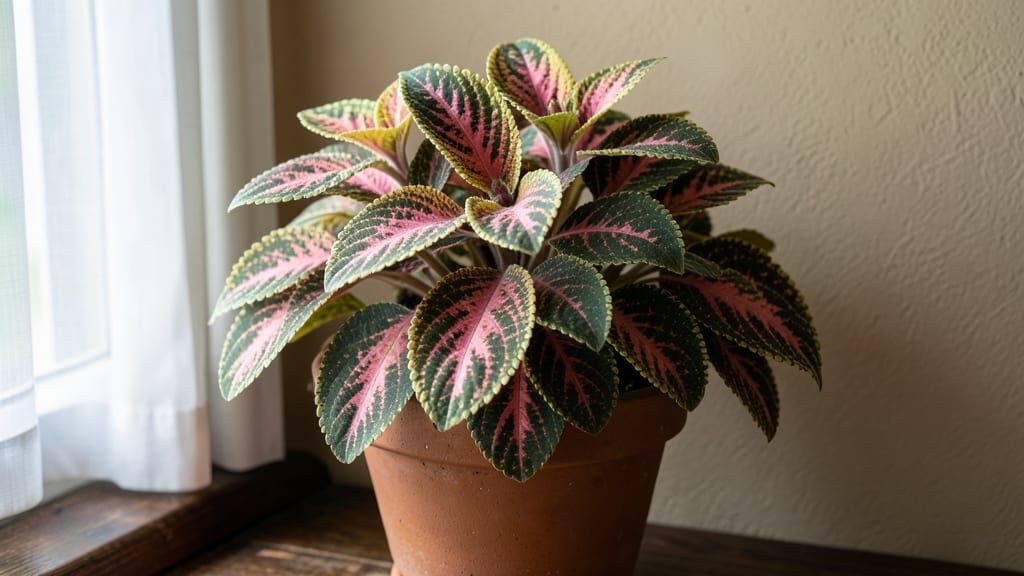
Coleus plants aren't true perennials in cold climates—they'll die back to the ground after frost each year, though their roots often survive mild winters. In warmer tropical zones, they can grow continuously as perennials with proper protection.
This behavior comes down to coleus being tropical plants at heart. 🌿 They evolved in warm climates where frost never occurs, so their systems simply can't handle freezing temperatures.
That said, many gardeners successfully overwinter coleus indoors by digging up the root systems before the first frost and providing bright light and moderate warmth.
The key difference between cold climates and tropical zones is that tropical coleus never experience the kind of temperature drops that trigger their annual dormancy cycle.
What's fascinating is how their growth patterns adapt: in tropical regions, coleus plants continue growing year-round when protected from extreme cold snaps. This makes them behave more like true perennials, though technically they're still sensitive to sudden temperature changes.
The hardiness zone where you live determines whether you'll need to treat them as annuals or can grow them perennially with some extra care.
💡 In This Article
- Why Coleus Plants Die Back in Cold Climates
- How to Overwinter Coleus for Year-Round Growth
Why coleus plants die back in cold climates
Coleus plants originate from tropical regions of Southeast Asia and Africa, where temperatures rarely drop below 50°F. Their cellular structure lacks the antifreeze proteins found in true cold-hardy perennials, like hostas or daylilies.
When frost hits 32°F, the water inside coleus leaves and stems begins to crystallize, rupturing delicate cell walls. This is why you’ll see their foliage turn black and mushy within 24-48 hours of a hard freeze—it’s not just wilting, but actual cellular death from ice formation.
The roots tell a different story in milder winters. Coleus roots contain some cold tolerance, allowing them to survive brief exposure to 25-30°F if protected by mulch or snow cover.
In USDA zones 8-11, where winters rarely drop below 20°F, the roots can persist underground until spring, ready to sprout new growth when temperatures rise.
This is why gardeners in these zones often see coleus regrow each year without intervention—it’s the roots, not the above-ground plant, that’s truly perennial in these conditions.
Here’s the botanical kicker: coleus plants actually enter a form of programmed dormancy when temperatures fall below 55°F for extended periods. Their metabolic processes slow dramatically, halting leaf production and redirecting energy to root storage.
This isn’t true hibernation like bulbs (which store energy in specialized underground structures), but rather a survival mechanism where the plant essentially “shuts down” above ground while maintaining root viability. 🌱
The hardiness zone system explains why coleus behaves differently across regions. In zones 3-7, where winters regularly drop below 10°F, coleus must be treated as annuals—the roots simply can’t survive prolonged freezing.
Even in zone 8, where winters average 25-30°F, gardeners often still dig up coleus before the first frost to ensure survival. The 10°F threshold is critical: below this, even the roots struggle to remain viable.
What’s often misunderstood is that coleus plants don’t just “give up” when cold hits—they’re genetically programmed to respond this way. Their ancestors evolved in environments where frost never occurred, so their survival strategies are optimized for warmth.
This is why even a light frost (30-32°F) can cause leaf damage, while true perennials like salvia or lavender can handle -10°F with minimal stress. The key difference lies in their cellular membranes: coleus membranes lack the protective lipids that prevent ice crystal formation in cold-hardy plants.
For visual learners, imagine coleus leaves as delicate glass ornaments: beautiful but fragile. True perennials are more like reinforced steel structures—capable of withstanding harsh conditions. This fundamental difference in plant architecture explains why coleus thrives in summer containers but struggles to persist through winter in most climates.
The good news? With proper overwintering techniques, you can effectively “cheat” this tropical plant’s limitations and enjoy its vibrant foliage year after year, even in colder regions. 🌿