
Flowers
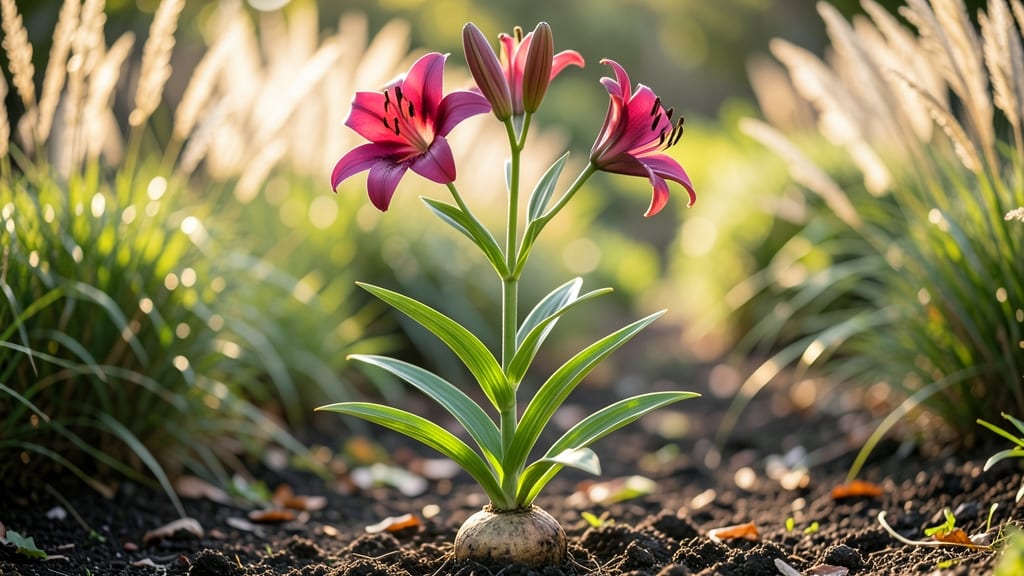
Lilies are perennial flowers that die back annually but regrow each spring from their underground bulbs or rhizomes, though their lifespan varies between 2-5 years depending on care. This seasonal dormancy is what defines their perennial nature.
Lilies might seem like annuals because their above-ground stems and leaves wither away each fall, but their true resilience lies underground. 🌱 The bulbs or rhizomes store energy through winter, allowing them to sprout fresh foliage and blooms when temperatures warm.
What sets true perennials apart is this ability to return year after year from the same root system—something lilies absolutely do, though their vigor may gradually decline without proper maintenance.
This lifespan variation explains why some gardeners notice their lilies blooming less spectacularly after a few years. The key to maximizing their perennial potential lies in mimicking their natural growing conditions—well-draining soil, proper sunlight exposure, and careful watering practices that prevent bulb rot while allowing for natural dormancy periods.
💡 In This Article
- Lily Bulb Biology: Why They Appear to Die Each Year
- Extending Lily Lifespan: Care Tips for Long-Term Growth
Lily bulb biology: why they appear to die each year
The secret to lilies' perennial nature lies in their specialized underground storage organs—whether bulbs (like in Asiatic lilies) or rhizomes (like in Oriental varieties). These structures function like nature's batteries, storing carbohydrates, proteins, and water during the plant's dormant phase.
When temperatures drop below 50°F in fall, lilies trigger a physiological response where they shed their above-ground foliage to conserve energy. This dieback isn't death—it's a strategic survival mechanism that allows the bulb to focus its resources on root growth and energy reserve replenishment.
What makes this process fascinating is the chemical transformation that occurs. During dormancy, the bulb converts stored starches into sugars through a process called glycogenolysis, creating a concentrated energy source.
This biochemical shift is what allows lilies to break dormancy so quickly in spring—sometimes within just 2-3 weeks after the last frost.
The bulb's protective layers also prevent moisture loss, which is why proper planting depth (6-8 inches for bulbs, 3-4 inches for rhizomes) is critical for survival through winter's freeze-thaw cycles. 🌱
The distinction between true perennials and annuals comes down to this underground persistence. Unlike annuals that complete their entire lifecycle in one season, lilies maintain a living root system that can regenerate above-ground growth for multiple years.
Some varieties like the Stargazer lily can live for 10+ years with ideal conditions, though their flowering intensity may decline after 5-7 years due to energy depletion in the bulb. This gradual decline explains why many gardeners mistakenly think lilies are short-lived annuals.
There's also a fascinating variation between bulb-forming and rhizome-forming lilies. Bulb lilies (like Tiger lilies) store energy in a compact, layered structure similar to onions, while rhizome lilies (like Daylilies) store energy in horizontal, fleshy stems that spread underground.
This structural difference affects their care needs—bulbs need more precise planting depth to prevent rot, while rhizomes benefit from being partially exposed to light during dormancy. The rhizome's segmented structure allows it to regenerate new growth points even if part of the system is damaged.
What most gardeners overlook is how lilies time their dormancy with environmental cues. The plant uses photoperiodism (day length changes) and temperature fluctuations to determine when to enter dormancy. In regions with mild winters, lilies might not fully die back, which can lead to confusion about their perennial status.
This is why some tropical lily varieties (like Peace lilies, though not true lilies) never truly enter dormancy—they're adapted to constant warmth and don't follow the same seasonal cycle. 💫
The takeaway is that lilies' apparent annual dieback is actually a sophisticated survival strategy that makes them true perennials. Their underground systems are designed to outlast harsh conditions, with energy storage mechanisms that rival those of trees.
Understanding this biological process helps gardeners provide the right conditions—like proper winter mulching and avoiding overwatering during dormancy—to maximize these flowers' natural lifespan.