
Flowers
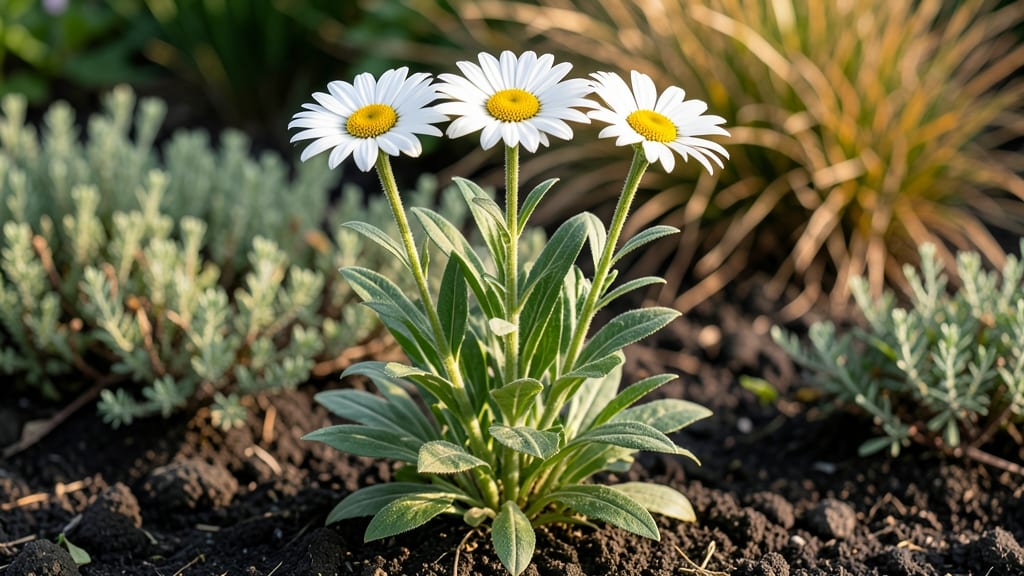
Daisies are perennials in most regions, returning yearly with proper care, though some varieties behave as annuals in colder climates. Their hardy nature and deep root systems help them thrive season after season with minimal intervention.
Most daisies earn their perennial reputation thanks to their robust root systems, which store nutrients underground to fuel regrowth each spring. 🌱 In warmer climates like USDA zones 5-9, varieties such as Shasta daisies reliably return year after year, while colder regions may see them die back to the ground in winter.
The key difference lies in their ability to regenerate from the roots—even if the foliage browns in frost, the plant remains alive beneath the soil, ready to burst forth when temperatures rise.
What sets perennial daisies apart from their annual cousins is their adaptability. While some species like Gerbera daisies thrive as perennials in mild winters, others need winter mulching or protection to survive freezing temperatures.
Their deep taproots also make them drought-tolerant once established, reducing the need for frequent watering compared to annual flowers.
💡 In This Article
- Daisy Perennial Lifespan and Regional Adaptability
- Caring for Perennial Daisies: Pruning, Soil, and Seasonal Maintenance
Daisy perennial lifespan and regional adaptability
The perennial nature of daisies stems from their specialized root systems, which include both fibrous and deep taproots. These roots store carbohydrates and nutrients during dormancy, allowing the plant to regenerate each spring.
For example, Shasta daisies develop a strong crown that survives winter in USDA zones 5-9, while varieties like the Gerbera daisy rely on tuberous roots that act as energy reserves. This biological adaptation explains why daisies return year after year in favorable climates.
Climate zones play a critical role in determining whether daisies behave as perennials or annuals. In colder regions (USDA zones 3-4), many daisy varieties die back completely in winter but regrow from their root systems when temperatures rise above 50°F.
Some species, like the Oxeye daisy, can tolerate -20°F with proper mulching, while others may need winter protection. The key factor is the plant's ability to enter dormancy—a state where metabolic activity slows dramatically, preserving energy for regrowth.
Heat tolerance also varies by species. Perennial daisies like the Nippy Belle thrives in full sun and high temperatures, while others may struggle in extreme heat without adequate moisture.
This adaptability means gardeners in warmer climates (zones 7-10) can enjoy daisies as reliable perennials, whereas those in colder zones may need to treat them as short-lived perennials or annuals. The plant's ability to adjust its growth cycle based on environmental conditions is what makes daisies so resilient.
What most gardeners don't realize is how daisy varieties differ in their perennial behavior. For instance, the Gerbera daisy is typically grown as an annual in colder climates because its roots aren't as cold-hardy, while the Shasta daisy's deep roots allow it to persist for decades with minimal care.
This variation means selecting the right species for your climate zone is crucial for achieving perennial performance. 🌿
Another fascinating aspect is how daisies handle seasonal changes. During dormancy, their root systems continue to absorb minimal moisture, while the aboveground parts die back to conserve energy. This process is similar to how trees lose their leaves in winter—a survival mechanism that allows the plant to endure harsh conditions.
When spring arrives, the stored nutrients trigger new growth, often within 2-4 weeks after the last frost.
Consider these key factors when choosing daisy varieties for your region:
- Cold hardiness: Shasta daisies tolerate -20°F to -30°F with mulch
- Heat tolerance: Nippy Belle daisies thrive in 90°F+ temperatures
- Soil requirements: Most prefer well-draining soil with pH 6.0-7.0
- Sun exposure: Full sun (6+ hours/day) for optimal flowering
The takeaway is that while daisies are generally perennials, their success depends on matching the right species to your local climate and providing basic care during critical growth phases. With the proper conditions, these cheerful flowers can brighten your garden for years with minimal effort. 💫