
Flowers
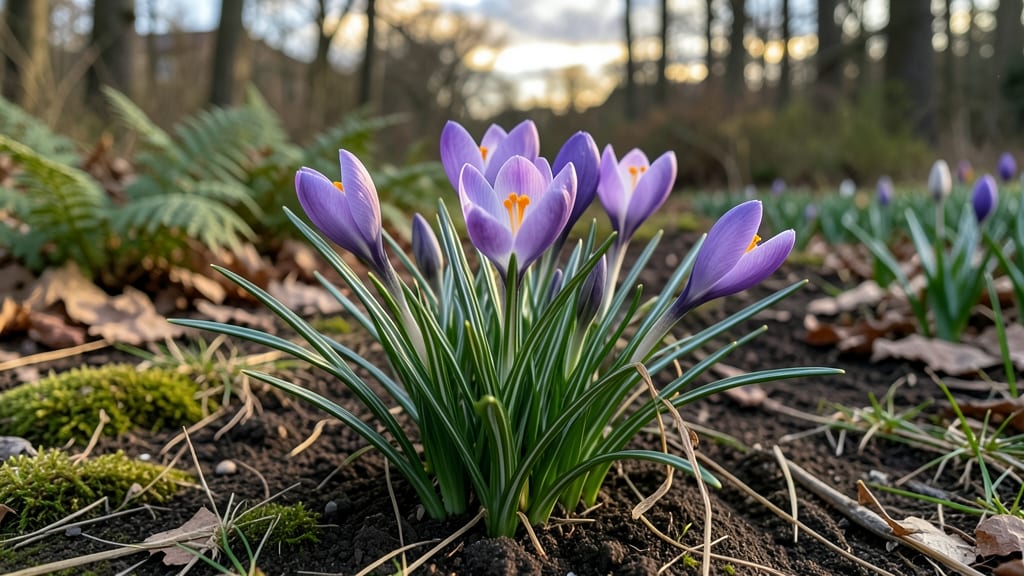
Yes, crocus plants are perennials that return every year because their underground corms store nutrients and regenerate new growth after their natural dormancy period. With proper care, these early spring bloomers will reliably reappear season after season.
Crocus plants earn their perennial status through their unique underground storage organs called corms.
Unlike bulbs that store nutrients in layers, crocus corms act as living reservoirs that remain dormant during summer months while preserving energy. 🌱 This biological adaptation allows them to push through cold soil in early spring, producing vibrant blooms before many other perennials emerge.
Their hardiness makes them ideal for gardeners seeking reliable early color with minimal maintenance.
What sets crocus apart is their ability to thrive in challenging conditions. These plants naturally adapt to seasonal changes by entering dormancy when temperatures rise, then reactivating when cooler weather returns. This cycle explains why you'll often see crocus blooming through snow—it's their built-in survival mechanism at work.
The key to maintaining their perennial nature lies in proper planting depth and soil drainage, both of which protect those vital corms from rot while they rest.
💡 In This Article
- How Crocus Corms Enable Perennial Growth
- Tips for Maximizing Crocus Perennial Blooms
How crocus corms enable perennial growth
Crocus plants rely on specialized underground structures called corms—thick, solid stems that function as living nutrient storage units. Unlike bulbs (like tulips) that store energy in layered scales or tubers (like potatoes) that grow from stolons, crocus corms are essentially swollen stems that contain everything needed for regrowth.
These corms store starches, proteins, and sugars during the growing season, then metabolize them slowly during summer dormancy when above-ground growth stops.
The magic happens in their dormancy cycle. When temperatures rise above 75°F in late spring, crocus corms enter a state of metabolic slowdown, halting leaf production while preserving their energy reserves. This adaptation prevents them from wasting resources during hot, dry months.
Then, as soil temperatures drop below 60°F in fall, the corms "wake up" and begin producing new roots and shoots. 🌱 What's fascinating is how these corms can produce multiple flower stalks from a single corm, unlike many bulbs that typically generate just one bloom.
Crocus corms also have a unique regeneration ability. Each year, the old corm shrivels slightly as it transfers nutrients to a new, larger corm that forms at its base. This process is called corm replacement, and it explains why mature crocus plants often produce more blooms over time.
The new corm grows about 1-2 inches in diameter annually, while the old one decomposes—nature's built-in recycling system. This growth pattern ensures the plant has enough reserves to push through cold soil and bloom reliably each spring.
What makes crocus particularly hardy is their cold tolerance. While most bulbs prefer soil temperatures between 50-60°F for dormancy, crocus corms can survive soil temperatures as low as 25°F without damage. This explains why they often bloom through snow—those underground corms remain active while other plants are dormant.
The trade-off is their need for well-draining soil, as waterlogged conditions during dormancy can cause rot in the corms.
Comparing crocus corms to other perennial storage organs reveals their efficiency. A single crocus corm (about the size of a walnut) can produce 3-5 flower stalks annually, while a tulip bulb of similar size typically yields just one bloom.
The secret lies in how crocus corms allocate their energy—prioritizing both flower production and corm replacement simultaneously. This dual-purpose strategy makes them exceptionally resilient perennials that can thrive for decades with minimal care.
Their early blooming strategy also plays a role. By flowering in late winter or early spring (often 6-8 weeks before tulips), crocus plants take advantage of the chilling period that triggers their growth.
This timing ensures they're not competing with other spring plants for nutrients, giving them a competitive edge in the garden ecosystem. 🌸 The result is a plant that combines beauty with remarkable biological efficiency—perfect for gardeners seeking low-maintenance, reliable color year after year.