
Plants
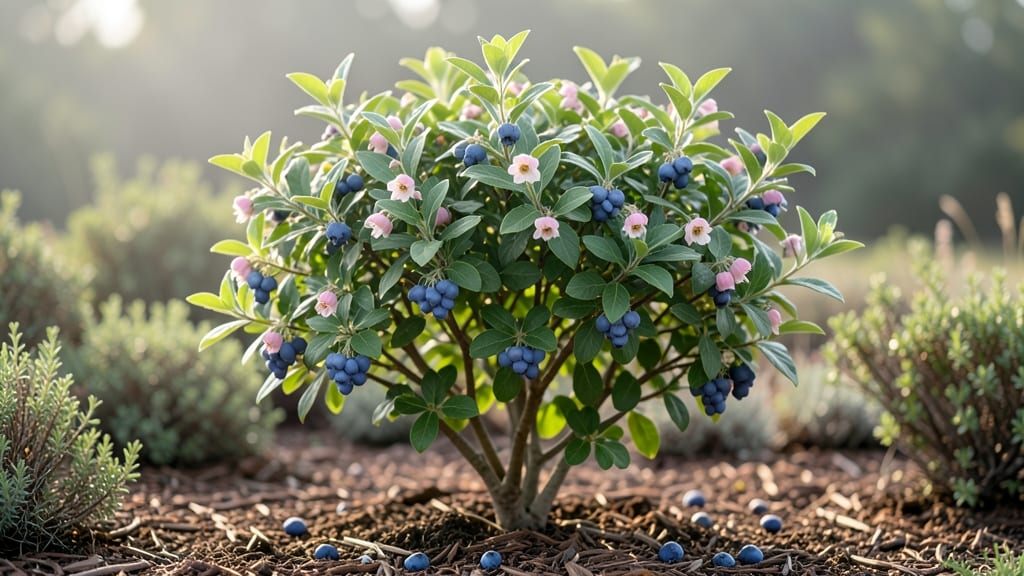
Yes, blueberries are perennials, meaning their woody stems and root systems survive winter, regrowing each spring from the same base. With proper care, they produce berries for decades while adapting to seasonal changes underground.
This perennial nature means blueberries don’t need replanting every year—their roots stay active beneath the frost line, storing nutrients until spring. 💫 The key to their longevity lies in their deep root systems, which can extend up to 3 feet underground, accessing moisture and nutrients even in harsh winters.
Unlike annual plants, blueberries develop dormant buds on their stems each year, ready to burst into growth as soon as temperatures rise. This built-in resilience makes them a gardener’s dream for consistent harvests with minimal effort.
What sets blueberries apart is their ability to thrive in the same spot for 20-30 years or more, provided they receive the right conditions. Their roots also help suppress weeds naturally, reducing maintenance work.
The trade-off? They do require acidic soil (pH 4.5-5.5) and consistent moisture to perform at their best—something many gardeners overlook when planting.
💡 In This Article
- How Blueberry Root Systems Survive Winter
- Best Practices for Long-Term Blueberry Perennial Care
How blueberry root systems survive winter
The secret to blueberries' perennial survival lies in their deep, complex root systems that extend 3-5 feet underground. These roots store carbohydrates like starches and sugars during summer, acting as natural energy reserves when winter arrives.
As temperatures drop below 40°F, the plant enters dormancy—a state where growth halts but metabolic processes continue at a minimal level to preserve life. This adaptive mechanism allows the roots to remain active even when above-ground stems die back.
Blueberry roots contain specialized cells called cork cambium, which produce protective bark layers that insulate against freezing. The deeper roots also tap into groundwater, avoiding frost penetration that would damage shallower systems.
In colder climates (USDA zones 3-7), some varieties develop a hardiness zone adaptation where roots produce antifreeze-like proteins, preventing ice crystal formation in cells. This is why northern blueberries (like 'Bluecrop') thrive in Minnesota winters while southern varieties (like 'Southern Belle') struggle in freezing soil.
The real magic happens in the crown buds—thickened stem sections just above the roots where next year's growth originates. These buds remain dormant through winter but contain all the genetic instructions needed to regenerate leaves, stems, and flowers.
When spring temperatures reach 50°F for several days, these buds swell with water and begin cell division, pushing through the soil within 2-3 weeks. This annual renewal explains why blueberry bushes can produce fruit for decades without replanting.
One fascinating detail is how blueberry roots form mycorrhizal relationships with beneficial soil fungi. These fungal networks extend the root system's reach by up to 30%, helping access nutrients and water while protecting against root pathogens.
The fungi receive carbohydrates from the blueberry roots in return, creating a mutually beneficial partnership that enhances winter survival. This underground ecosystem is why established blueberry bushes often outperform younger plants in harsh conditions.
What most gardeners don't realize is that blueberry roots are also photosynthetic—they contain chlorophyll and can produce small amounts of energy even in winter. While this doesn't replace above-ground photosynthesis, it provides a critical energy boost during dormancy.
The combination of deep roots, protective bark layers, and this hidden photosynthesis makes blueberries uniquely resilient perennials compared to other fruiting plants.
Consider this: A well-established blueberry bush can have over 100,000 roots** spanning its growing area. This extensive network creates a self-sustaining system where each root contributes to the plant's survival through winter. The deeper roots act as anchors against wind, while shallower lateral roots maximize nutrient absorption when spring arrives.
This architectural design is why blueberries can regenerate so reliably each year without human intervention.