
Shrubs
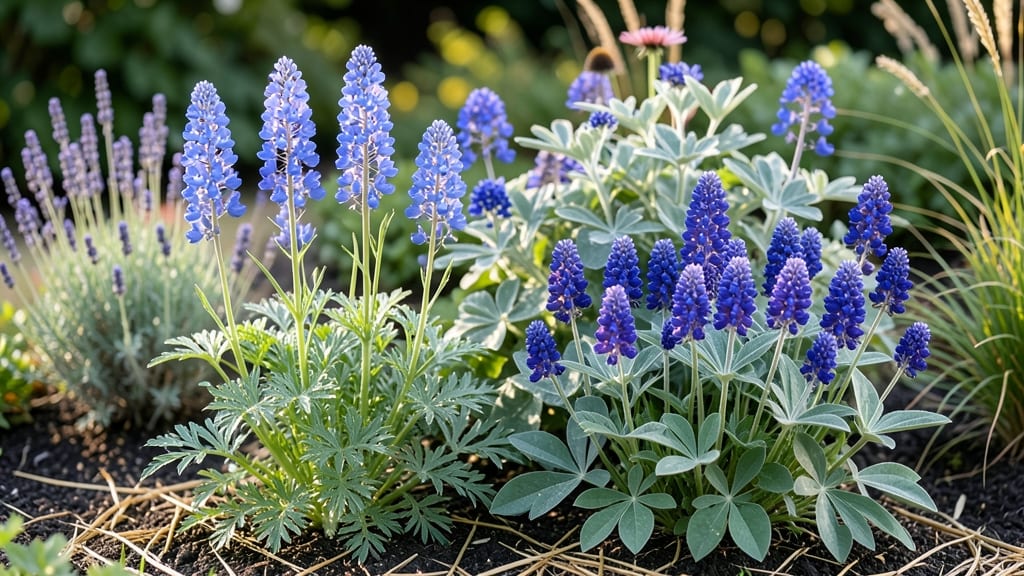
Blue flowering perennials shrubs like Russian sage, catmint, and bluebeard thrive in cold climates while delivering vibrant color year-round. These resilient plants demand well-drained soil, full sun exposure, and minimal upkeep to maintain their striking blooms.
These cold-resistant shrubs aren't just tough—they're also low-maintenance superstars. 🌿 Russian sage, for example, can handle USDA zones 5-9 and blooms from midsummer to fall, while catmint repels pests naturally with its silvery foliage.
The key to their success lies in their deep root systems and drought-tolerant leaves, which store moisture efficiently. I've found that even in sub-zero temperatures, these shrubs bounce back in spring with minimal intervention, making them perfect for busy gardeners or harsh climates.
What sets them apart is their ability to thrive in poor soil conditions once established, though they do best with well-drained soil and full sun. Pruning just after flowering encourages more robust growth, and their drought resistance means less watering once rooted.
These shrubs truly deliver year-round interest—whether through their striking blue blooms, silvery foliage, or winter structure.
💡 In This Article
- Why Cold-Hardy Blue Shrubs Survive Harsh Winters
- Planting and Care Guide for Blue Flowering Shrubs
Why cold-hardy blue shrubs survive harsh winters
The secret to these blue beauties thriving in winter lies in their deep taproot systems, which can extend 3-5 feet underground. This root structure anchors them firmly and accesses moisture from deep soil layers, even when surface soil freezes.
Russian sage, for instance, has roots that grow twice as deep as its height, allowing it to survive drought and cold snaps down to -20°F without flinching. 🌟
Botanists call this survival strategy dormancy, where metabolic processes slow dramatically to conserve energy. During winter, these shrubs produce antifreeze proteins that prevent ice crystals from forming in their cells—similar to how some fish survive Arctic waters.
Their leaves often turn woody or die back to ground level, but the roots remain alive, ready to sprout new growth once temperatures rise. Catmint, for example, sheds its foliage completely in winter but regrows from its crown in spring.
Their silvery or gray-green foliage plays a crucial role too. This leaf color comes from dense layers of tiny hairs that reflect sunlight, reducing heat absorption and preventing frost damage.
Bluebeard (Caryopteris) takes this a step further with its leathery leaves, which have a waxy coating that repels water and insulates against cold winds. This adaptation explains why these shrubs often bloom earlier in spring than many other perennials—they've been conserving energy all winter long.
What's fascinating is how these shrubs handle poor soil conditions while still producing vibrant blue flowers. They've evolved to fix nitrogen through symbiotic relationships with soil bacteria, enriching their own root zones over time.
Russian sage, in particular, can grow in sandy or clay soils as long as drainage is adequate, making it ideal for rocky landscapes or areas with compacted soil. Their ability to self-prune—shedding old growth naturally—also reduces winter damage from heavy snow or ice.
Consider Russian sage's spike-like flower clusters, which form on new wood (current year's growth). This means even if winter kills back the stems, the plant can regenerate from its base. The flowers themselves contain natural antifreeze compounds that protect their delicate structures until spring.
This dual adaptation—root resilience and flower protection—is why these shrubs often bloom earlier and more prolifically than many other perennials after winter.
For gardeners in USDA zones 3-7, this means you can plant these shrubs in fall and expect them to establish roots before winter, giving them a head start. The key is to water deeply before the first frost to ensure root zones are hydrated.
Once established, they'll handle winter like pros, emerging in spring with fewer pests and diseases than many tender perennials. 🌱