
Vegetables
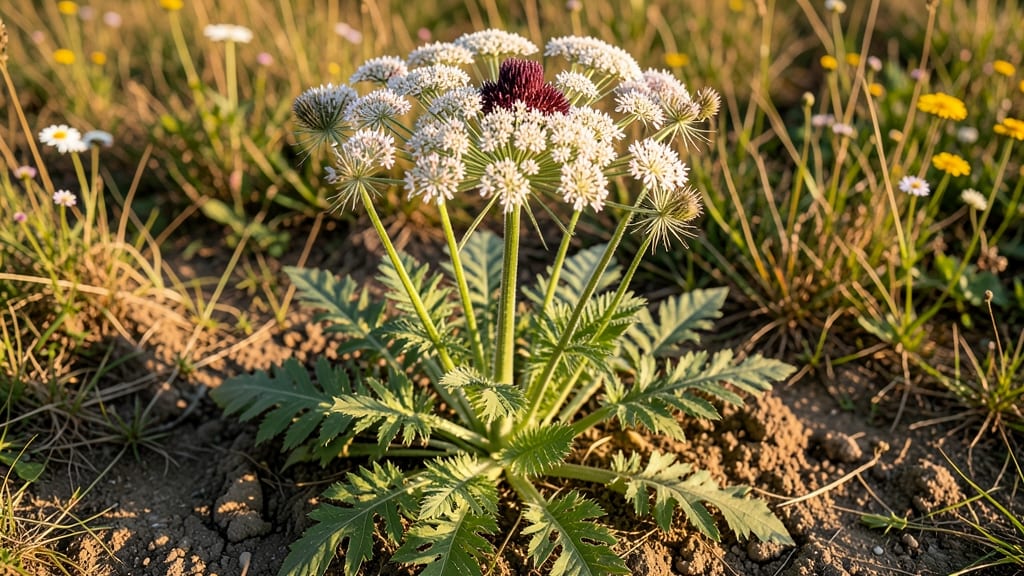
Carrots are not perennials—they die back annually because their edible root stores energy for regrowth, but cold temperatures and frost trigger their natural cycle to produce seeds instead of sustaining the root. Most gardeners replant them yearly for harvestable roots.
Carrots actually follow a biennial life cycle, meaning they complete their growth in two years. 🌱 During the first year, they focus on building up their root system to store energy, and it's only when exposed to cold temperatures that they shift into seed production mode.
This is why you'll often see them bolt and flower in late fall or early spring—a natural response to dropping temperatures. True perennials, like asparagus or rhubarb, keep their growing structure alive year-round, but carrots simply don't have that capacity.
This biological quirk explains why gardeners typically replant carrots each season. The energy stored in the root during the first year gets redirected toward seed production once frost hits, leaving little behind for the next harvest.
Understanding this cycle helps explain why some gardeners swear by fall planting—the cooler temperatures actually work in your favor by encouraging the roots to mature before the cold sets in.
💡 In This Article
- Why Carrots Act Like Biennials in the Garden
- How to Extend Carrot Harvests Beyond One Season
Why carrots act like biennials in the garden
The key reason carrots behave like biennials lies in their root system's energy storage mechanism. During the first growing season, carrots focus on developing a large, edible taproot that acts as a natural energy reserve—similar to how a potato stores starch.
This root can accumulate up to 15-20% dry matter (mostly sugars and starches), which is why they taste sweeter after frost. 🌱 The plant prioritizes this storage over flowering until environmental cues trigger the next phase.
Cold temperatures play a crucial role in this cycle. When daytime highs drop below 50°F (10°C) and nights reach near freezing, carrots detect these signals through a process called vernalization. This hormonal shift causes the plant to stop producing roots and instead redirect energy toward flower stalk development.
The result? Those familiar purple-topped seed stalks you might see in late fall gardens—nature's way of ensuring the next generation survives.
This biennial behavior differs from true perennials because carrots lack persistent underground structures like rhizomes or crowns. Plants like asparagus maintain living roots year-round, while carrots simply die back to the ground after seed production.
The stored energy in the root gets completely consumed during flowering, leaving nothing viable for regrowth. 💫 This is why you'll never get a second harvest from the same root—it's all about that one-season energy investment.
Interestingly, this cycle explains why some heirloom varieties produce larger roots than modern hybrids. Older types like 'Danvers' or 'Nantes' prioritize root development over early flowering, while commercial varieties often have genetic modifications to delay bolting.
The trade-off? Those hybrid roots may store slightly less energy but resist pests better—a classic agricultural compromise.
What most gardeners don't realize is that this biennial pattern can be manipulated. By harvesting roots before they sense cold (typically in 60-80 days depending on variety), you prevent the plant from shifting into seed mode.
This is why late summer plantings often yield sweeter, more tender carrots—they haven't had time to trigger their natural two-year cycle. 🥕
The science behind this involves a hormone called gibberellin, which accumulates in response to cold. This hormone promotes stem elongation (flower stalk growth) while inhibiting root development.
It's nature's way of ensuring the plant's survival through reproduction rather than vegetative growth—a strategy that works beautifully until you're trying to grow food!