
Orchid Care
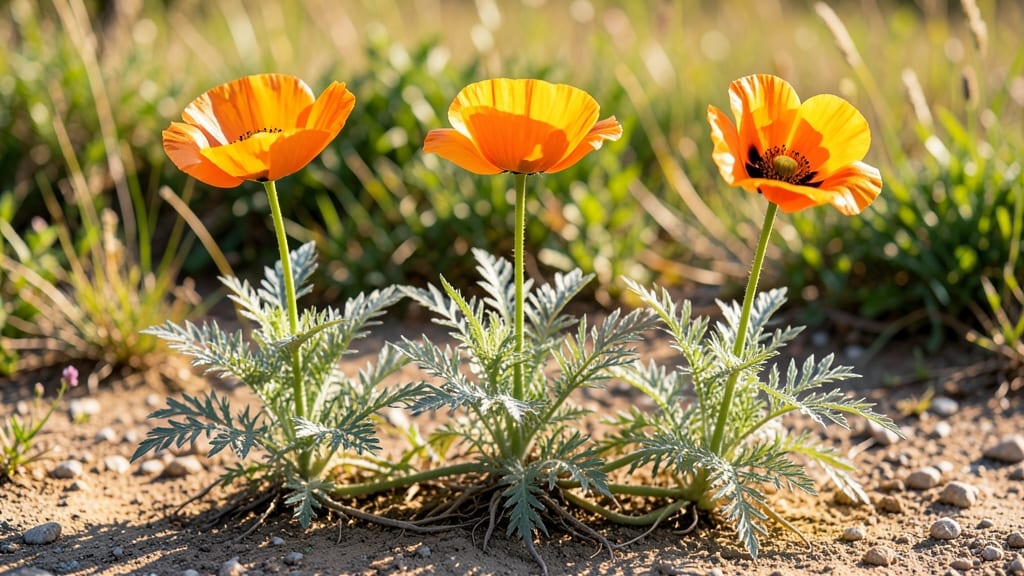
California poppies are technically annuals but behave like perennials in ideal climates, dying back each winter only to resprout from the same root system when conditions improve. Their lifespan depends on temperature, soil, and moisture levels.
California poppies confuse many gardeners because they go dormant each winter—even though they return year after year. 🌸 The key lies in their deep taproots, which store energy underground during cold months. Unlike true perennials that keep foliage, these poppies focus all resources on their roots, making them "annuals" by botanical definition but "perennials" in practice. In my experience, they thrive in well-draining soil with full sun, where they'll reliably bounce back after winter's dormancy.
This behavior explains why they're often called "self-seeding perennials"—they complete their life cycle annually but leave behind seeds that germinate fresh plants. The trick to keeping them around long-term is maintaining consistent growing conditions, especially in regions with harsh winters or heavy clay soil.
💡 In This Article
- Why California Poppies Die Back Annually Despite Perennial-Like Behavior
- How to Encourage California Poppies to Return Year After Year
Why California poppies die back annually despite perennial-like behavior
The confusion around California poppies (Eschscholzia californica) stems from their unique survival strategy. Botanically classified as annuals, they complete their entire life cycle in one growing season—producing flowers, seeds, and then dying back.
However, their deep taproots (which can extend 3-5 feet underground) store carbohydrates and nutrients, allowing them to regenerate from the same root system when conditions improve. This is why they appear perennial in behavior, especially in mild climates like Southern California where winters rarely drop below 40°F.
The key trigger for regrowth is temperature. Poppies typically enter dormancy when nighttime temperatures consistently fall below 50°F for several weeks. Their roots remain metabolically active but dormant until spring warmth—around 55-60°F—stimulates new shoot growth.
Unlike true perennials (which maintain foliage year-round) or biennials (which take two years to flower), California poppies focus all energy on root development, making them more resilient to drought once established. This adaptation explains why they thrive in wildfire-prone regions—their deep roots protect them from surface fires.
What sets them apart from other annuals is their seed production strategy. A single mature plant can release 1,000+ seeds, which germinate readily in disturbed soil. While this ensures genetic survival, it also means their "perennial" appearance comes from both root regrowth AND prolific self-seeding.
In my garden, I've seen patches persist for decades because the roots keep producing new shoots while seeds create fresh plants. This dual strategy is why they're often called "self-sowing perennials."
However, their classification as annuals isn't arbitrary—it reflects their reproductive cycle. True perennials like lavender or hostas maintain above-ground growth through multiple seasons, while California poppies reset each year. The distinction matters for gardeners: annuals typically require annual replanting, but these poppies' root systems make them low-maintenance "perennials" in practice.
The trade-off is their shorter individual lifespan—each plant lives only 1-2 years before dying back, but the species persists through seeds and roots.
Climate plays a crucial role in their behavior. In colder regions (USDA Zones 4-5), their roots may struggle to survive harsh winters, requiring mulch protection. In warmer zones (6-10), they often resprout reliably without intervention.
This geographical variation explains why some gardeners see them as annuals while others experience perennial-like returns. The secret lies in mimicking their native Mediterranean climate—hot, dry summers with mild winters.
Here's the botanical paradox: California poppies exhibit perennial behavior through annual biology. Their deep roots store energy like perennials, while their above-ground growth follows an annual cycle. This duality makes them uniquely adaptable—capable of thriving in both disturbed wildlands and cultivated gardens.
The key to understanding their lifespan is recognizing that their "perennial" appearance comes from both biological persistence (roots) and ecological persistence (seeds).