
Plants
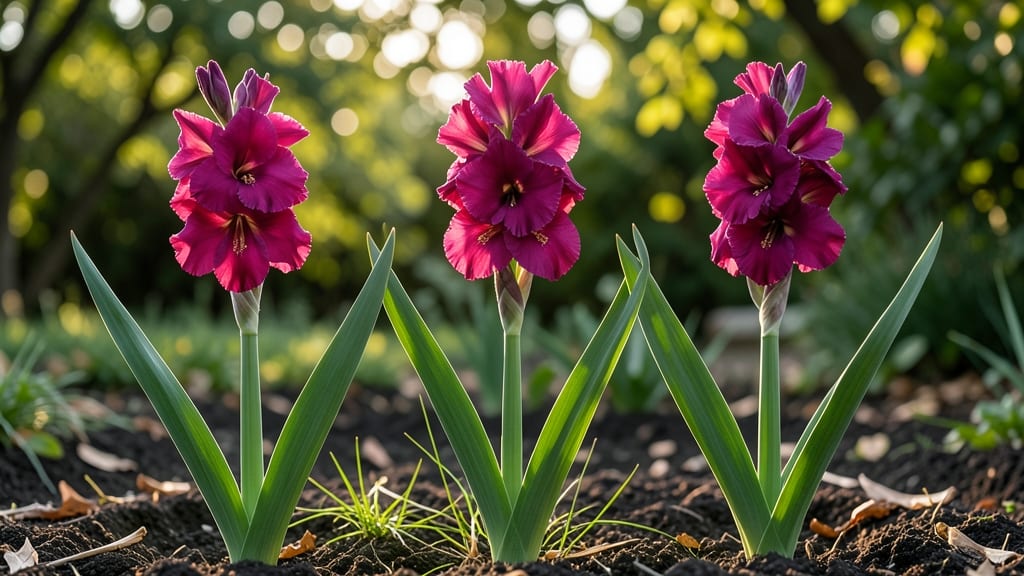
Gladiolus aren't true perennials—they die back each winter but regrow from underground corms in spring. In warm climates (USDA 8+), they may persist year-round, but colder regions require treating them as annuals or storing corms through winter.
This isn't just about climate—it's about the gladiolus's unique underground storage system.
The corms store energy and nutrients, allowing them to "sleep" through cold months and sprout fresh growth when temperatures rise. 🌱 In colder zones, gardeners often dig up corms before frost, cure them, and store them in a cool, dry place until replanting season.
This method mimics nature's cycle while protecting the plants from freezing temperatures.
What makes this especially interesting is how gladiolus adapt differently in various zones. In warmer areas, they naturally overwinter like true perennials, while in colder regions, they rely on human intervention to survive.
This dual nature makes them fascinating plants for gardeners who enjoy both the challenge and reward of seasonal gardening.
💡 In This Article
- Why Gladiolus Act Like Perennials in Some Climates
- How to Overwinter Gladiolus in Cold Climates
Why gladiolus act like perennials in some climates
The key to understanding why gladiolus behave like perennials in warm zones lies in their specialized underground storage organ: the corm. Unlike true perennials that store energy in roots or rhizomes, gladiolus rely on corms—thickened, bulb-like structures that store nutrients and water.
These corms enter dormancy when temperatures drop below 50°F, allowing the plant to survive winter. In USDA zones 8+ (average minimum 10-20°F), the ground rarely freezes deeply enough to damage corms, so they naturally overwinter and regrow each spring.
This dormancy mechanism is what sets gladiolus apart from true perennials like daylilies or hostas. True perennials have more robust underground systems that can withstand freezing temperatures (-10°F or colder) without protection.
Gladiolus corms, however, are more delicate—they begin to deteriorate when exposed to prolonged freezing (20°F or below). That's why in colder zones (USDA 5-7), gardeners must intervene to protect them. The corm's natural survival strategy only works when winter conditions are mild and consistent.
Here's what happens botanically: When temperatures drop, the corm's metabolic rate slows dramatically, conserving stored energy. The outer layers harden slightly, creating a protective barrier against moisture loss. This is similar to how onions or garlic bulbs survive winter in the ground, but gladiolus corms are less cold-hardy.
In warm zones, this dormancy cycle repeats naturally, while in colder areas, the corms would freeze without human intervention—making them behave more like annuals than perennials.
Consider this comparison: A daylily's rhizome can survive -30°F winters, while a gladiolus corm will start to fail at 15°F. That's why you'll see gladiolus thriving year-round in Florida or California gardens but needing special care in New York or Chicago.
The plant's entire growth cycle—from flowering to dormancy—is tightly linked to temperature cues, making it highly adaptable but also climate-dependent.
What most gardeners don't realize is that even in warm zones, gladiolus corms benefit from being divided every 2-3 years. This prevents overcrowding and ensures each new corm has enough energy to produce strong stems and flowers.
The division process mimics natural selection, as the strongest corms produce larger offsets. This is why you'll often see gladiolus performing better in containers—it gives gardeners better control over the corm's environment and growth cycle.
The visual difference between true perennials and gladiolus becomes clear in late winter. True perennials show new growth above ground as soon as temperatures rise, while gladiolus remain completely dormant until soil temperatures reach 55-60°F.
This delayed emergence is a key indicator of their corm-based growth system rather than a true perennial's root-based system. 🌱