
Orchid Care
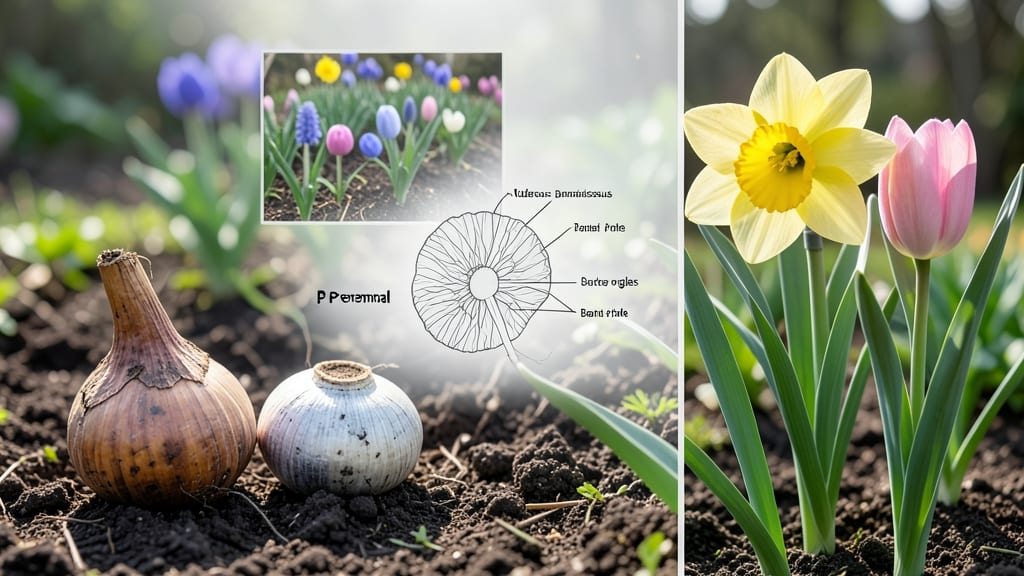
Bulbs are not annuals but perennials, as they regrow each season by storing energy underground, though some varieties may decline after flowering or need specific dormancy conditions. Their lifespan varies by type and care practices.
Are bulbs annual or perennial? Most bulbs qualify as perennials because they develop specialized underground storage systems—like tunic layers in tulips or fibrous roots in daffodils—that let them survive winter and regenerate. 🌱 What makes this different from annuals is their ability to replenish energy reserves year after year, though some (like paperwhites) may only last 2-3 seasons before fading. The key difference lies in how they store nutrients: true bulbs have concentric layers, while corms like gladioli store energy in a solid, pithy core.
This biological adaptation explains why bulbs often return stronger each year when given proper care—think of it like a plant battery recharging underground. I’ve seen daffodils bloom for decades in my garden when I follow basic rules: well-draining soil, minimal disturbance after planting, and strategic fertilization in early spring.
The trade-off? Some bulbs (like hyacinths) may produce fewer flowers over time without proper dormancy periods.
💡 In This Article
- How Bulb Root Systems Determine Perennial Lifespan
- Caring for Perennial Bulbs to Extend Their Lifespan
How bulb root systems determine perennial lifespan
Bulbs earn their perennial status through specialized underground structures designed to store nutrients and survive harsh conditions. True bulbs like tulips and daffodils develop concentric layers called tunics, which act like nature's insulation—protecting delicate inner scales packed with starches and sugars.
These scales can shrink during dormancy (like a deflating balloon) to conserve moisture, then expand when conditions improve. 🌱 The starch content in a single daffodil bulb can reach 50-60% of its dry weight, providing fuel for multiple growing seasons.
Not all bulb-like structures follow this pattern. Corms (like gladioli) store energy in a solid, pithy core rather than layers, while rhizomes (ginger) spread horizontally through creeping stems.
This diversity explains why some "bulbs" behave differently—gladioli corms may only last 2-3 years without division, while ginger rhizomes can regenerate indefinitely if left undisturbed. The key difference lies in how each structure balances water retention and nutrient density during dormancy.
Dormancy cycles are the secret to perennial success. Many bulbs enter a natural resting phase in summer or fall, halting growth to conserve energy. Tulips, for example, need 6-8 weeks of cool temperatures (below 50°F) to properly recharge their reserves.
Skipping this "reboot" period can leave bulbs weak or non-flowering the next season—a common mistake in warmer climates where artificial dormancy must be mimicked with reduced watering.
Consider the case of paperwhites: these bulbs often behave more like annuals because they focus all energy on flowering rather than storing for future years. Their lifespan typically ends after 1-2 blooming cycles unless you propagate from offsets.
This highlights how bulb classification depends on both biology and growing conditions—what's perennial in a cold climate might not survive in a tropical one.
Soil type plays a surprising role too. Bulbs planted in heavy clay may rot because their storage tissues can't breathe, while sandy soils can dry them out.
The ideal medium mimics their natural habitat—well-draining but moisture-retentive, like the forest floors where many bulbs evolved. 💫 This explains why some gardeners swear by adding perlite or grit to planting holes: it mimics the air pockets bulbs need to prevent suffocation.
What most gardeners don't realize is that bulb size correlates directly with lifespan. A 2-inch daffodil bulb might flower for 5 years, while a 4-inch specimen could last 15+ years. The larger the nutrient reservoir, the longer the plant can sustain itself through seasons of growth and dormancy.