
Flowers
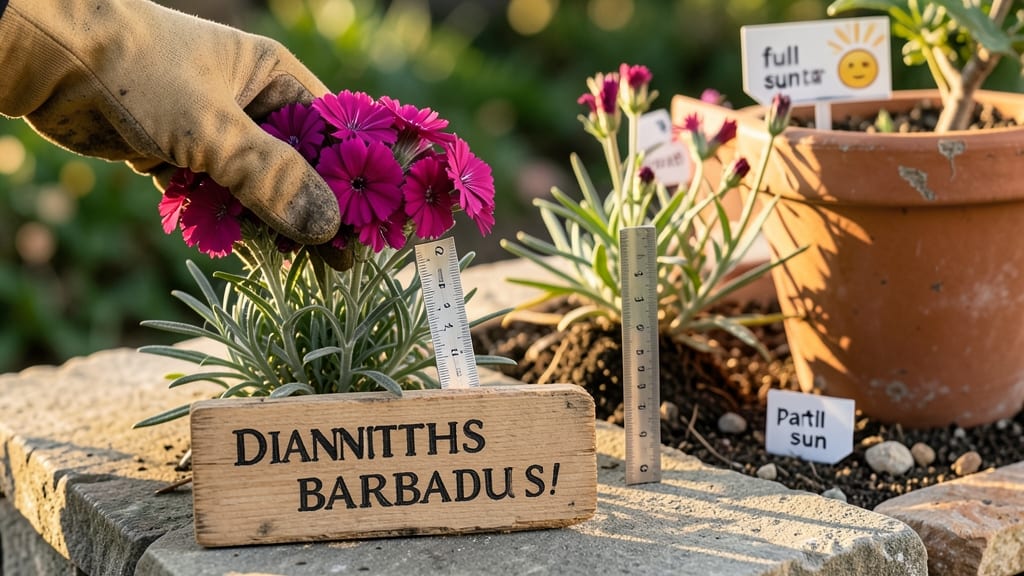
Whether dianthus flowers act as annuals or perennials depends on climate: they thrive as perennials in warm regions but are typically grown as annuals in colder areas due to their underground rhizomes storing energy for potential regrowth.
These hardy plants rely on their rhizomes to survive harsh winters, storing nutrients and energy that could allow regrowth if temperatures stay mild. 🌱 In colder zones, the rhizomes often fail to regenerate above-ground growth, forcing gardeners to replant each season.
The key difference lies in winter hardiness—some varieties like Dianthus barbatus handle frost better than others, making them more reliable perennials in transitional climates.
For gardeners in cooler areas, protecting the rhizomes with thick mulch or winter blankets can sometimes coax perennial behavior. Meanwhile, in warm climates, proper soil drainage becomes critical—waterlogged rhizomes rot, preventing the plant from returning year after year.
The rhizome's ability to adapt makes dianthus uniquely versatile, but understanding your local frost dates is the first step to growing them successfully.
💡 In This Article
- How Dianthus Rhizomes Determine Flower Lifespan
- Climate-Based Growing Tips for Dianthus Flowers
How dianthus rhizomes determine flower lifespan
Dianthus flowers rely on their specialized underground rhizomes—thickened, horizontal stems—to store nutrients and energy for survival. These rhizomes act like natural batteries, accumulating carbohydrates (like starch) and water during the growing season. When temperatures drop below 20°F, the rhizomes enter dormancy, slowing metabolic processes to conserve energy.
This adaptation allows them to persist through winter, ready to regrow when conditions improve. The rhizome's ability to store 15-20% more starch than typical roots gives dianthus its resilience.
The decision between annual or perennial behavior hinges on winter severity. In USDA zones 7-10, where winters rarely drop below 10°F, dianthus rhizomes often survive intact, producing new shoots in spring.
However, in colder zones (3-615°F
Rhizomes also respond to photoperiod—the length of daylight. As days shorten in autumn, dianthus plants trigger dormancy hormones that signal the rhizomes to store nutrients. This process is similar to how bulbs like tulips prepare for winter. The rhizome's ability to sense temperature changes through specialized cells (thermoreceptors) ensures it adapts precisely to seasonal shifts. In warmer climates, this mechanism allows continuous growth, while in colder regions, it forces a "reset" each year. Soil conditions play a hidden role too. Well-draining soil prevents rhizome rot, which is critical for perennial survival. In heavy clay soils, excess moisture can suffocate the rhizomes, even in mild winters. The ideal soil mix for perennial dianthus includes 50% sand to improve drainage while retaining moisture. This balance ensures the rhizomes stay healthy enough to regenerate year after year in suitable climates. Another key factor is the rhizome's age. Younger rhizomes (1 year old) are less cold-hardy and more likely to die back in winter, while mature rhizomes (3+ years
This is why established dianthus plants in warm climates often outperform newly planted ones in colder zones. The rhizome's maturity directly correlates with its ability to survive winter stress and regrow in spring. Consider the example of Dianthus chinensis, a common variety. In California (zone 9), it thrives as a perennial, returning reliably each year. But in Minnesota (zone 4), the same plant is typically grown as an annual unless heavily mulched. The difference? The rhizomes' ability to endure 5°F temperatures with protection versus -15°F without it. This climate-dependent behavior is what makes dianthus such a fascinating study in plant adaptation.