
Orchid Care
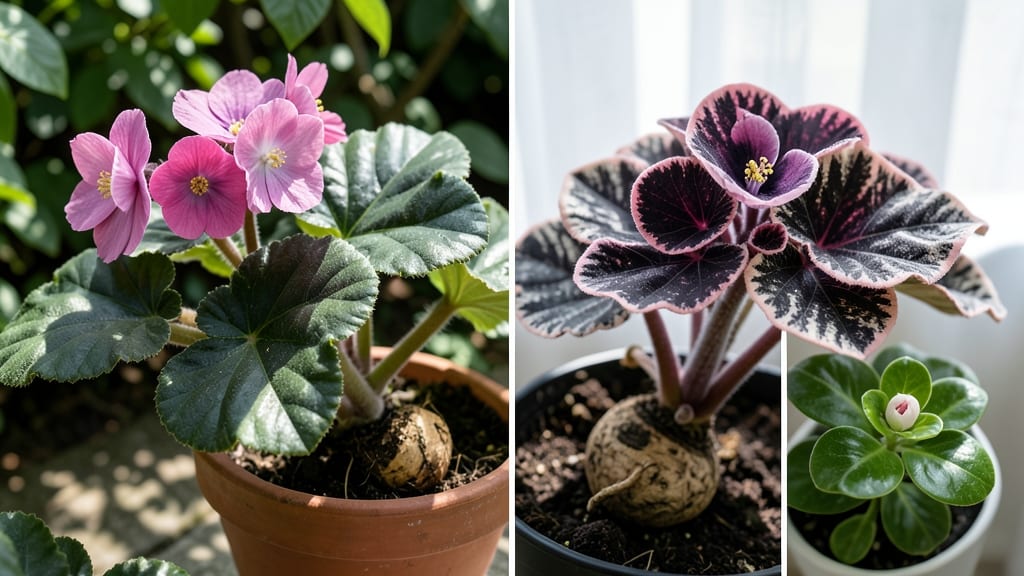
Whether begonias are annuals or perennials depends on your climate: they thrive as perennials in warm USDA Zones 10-12 but must be treated as annuals in colder Zones 9 and below, since frost destroys their delicate foliage and underground tubers. Their survival hinges on winter conditions and proper seasonal care.
Begonias originated in tropical regions, so their cold sensitivity explains why they behave differently in various climates. 🌱 In frost-free zones, these plants naturally rebloom year after year, developing thick tubers that store energy for regrowth.
However, when temperatures drop below 32°F, even hardy varieties like Begonia tuberhybrida suffer irreversible damage. Gardeners in colder regions often dig up tubers before winter or move potted plants indoors to extend their lifespan beyond a single season.
What makes this distinction important is how it affects your gardening strategy. For instance, in Zone 8, you might successfully overwinter begonias by storing tubers in a cool, dry place, while Zone 7 gardeners would need to simulate greenhouse conditions.
The key is understanding your local frost dates and adjusting care routines accordingly.
💡 In This Article
- How USDA Hardiness Zones Determine Begonia Lifespan
- Year-Round Begonia Care for Cold Climate Gardeners
How USDA hardiness zones determine Begonia lifespan
Begonias trace their origins to tropical rainforests where temperatures rarely dip below 60°F, making them inherently sensitive to cold. Their survival strategy revolves around two key adaptations: tender foliage that dies back quickly when stressed, and specialized underground storage organs (tubers or rhizomes) that store nutrients for regrowth.
In USDA Zones 10-12, these tubers naturally remain dormant through mild winters and sprout fresh growth when temperatures rise above 55°F—a process that repeats annually, earning them perennial status.
The critical threshold for begonia damage occurs at 32°F, when ice crystals form in plant cells. This cellular rupture causes irreversible damage to foliage and tubers, particularly in fibrous-rooted varieties like Begonia rex.
Tubers, however, can survive slightly longer in the ground if protected by mulch or snow cover, though they typically shrivel without proper dormancy conditions. 🌡️ The difference between Zones 9 and 10 often comes down to just 2-3°F—enough to push a plant from perennial to annual status.
Zone classification matters because it dictates whether begonias will regenerate naturally or require human intervention. For example, in Zone 9, gardeners might see tuberhybrida varieties survive winters unprotected, while Zone 8 requires digging tubers before first frost (typically October-November).
The USDA system accounts for average annual minimum temperatures, but microclimates—like urban heat islands—can create exceptions where Zone 9 plants thrive without protection where others fail.
This sensitivity explains why begonias exhibit different growth patterns: in frost-free zones, they develop larger tubers over time, while in colder regions, they focus energy on rapid foliage growth during short summers.
The trade-off is that tropical begonias prioritize lush leaves over robust storage organs when cold stress looms. This biological compromise forces gardeners in colder zones to mimic tropical conditions through overwintering techniques.
Consider the case of Begonia semperflorens, a fibrous-rooted annual in most climates. Its thin roots lack the protective layer of tubers, so even 28°F temperatures can kill it to the ground.
Yet in Zone 11, the same plant might self-seed annually, demonstrating how zone boundaries create dramatic shifts in plant behavior. The USDA system essentially maps these survival thresholds, helping gardeners predict which begonias can persist naturally versus those needing artificial extensions.
What most gardeners overlook is how humidity interacts with temperature thresholds. Begonias in Zone 10 with high summer humidity may survive 30°F dips better than drier Zone 10 areas, where moisture loss accelerates cold damage.
This explains why coastal gardeners often have more success with perennial begonias than inland growers in the same zone. 🌿 Understanding these microclimatic factors lets you push zone limits with targeted care.