
Flowers
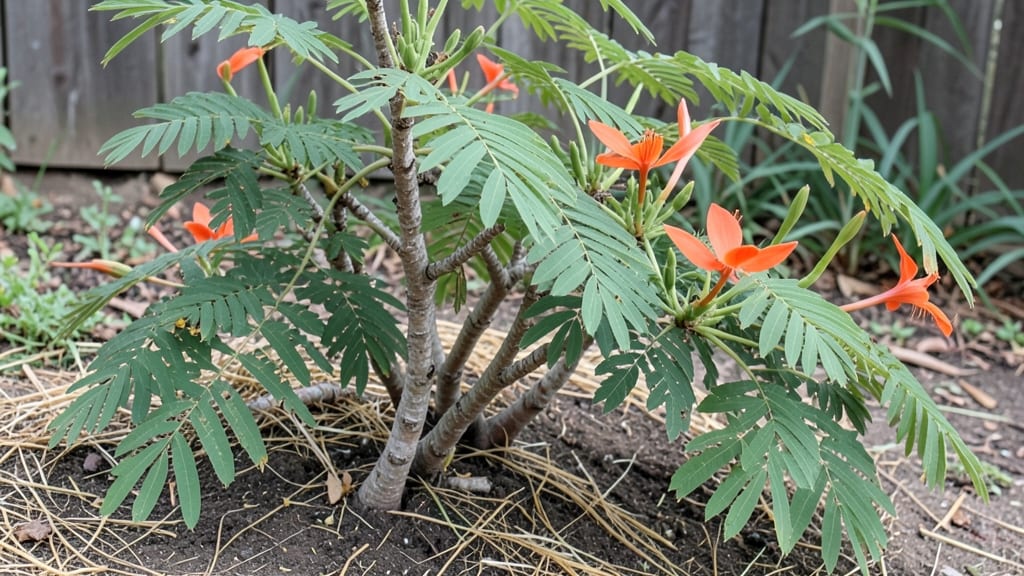
Birds of paradise are indeed perennials, thriving in USDA hardiness zones 10-12 where they grow year-round. With proper care, they can live for decades, though they may die back in colder climates and regrow from their rhizomes each spring.
These tropical plants rely on their underground rhizomes to survive seasonal changes, which is why they regrow so reliably in frost-free zones. 🌿 Unlike annuals that complete their life cycle in one season, birds of paradise store energy in their thick roots, allowing them to bounce back after winter dormancy—even in marginal zones with light freezes.
The key to their longevity is consistent moisture and well-draining soil, which mimics their native rainforest habitat.
Gardeners in colder regions often treat them as tender perennials, bringing them indoors or protecting them with mulch during winter. This approach preserves their perennial nature while adapting to local climates.
The plant's dramatic foliage and striking orange blooms make the effort worthwhile, especially since mature specimens can produce flowers for 10+ years with minimal care.
💡 In This Article
- Birds of Paradise Plant Lifespan and Growth Cycle
- Caring for Birds of Paradise in Cold Climates
Birds of paradise plant lifespan and growth cycle
The tropical origins of birds of paradise (Strelitzia reginae) directly shape their perennial behavior in frost-free zones. Native to South Africa's subtropical forests, these plants evolved to store energy in thick, starchy rhizomes—underground stems that function like natural batteries.
In their native environment, temperatures rarely drop below 50°F, allowing the plant to grow continuously. This rhizome system enables them to regenerate even after leaf loss, which is why they thrive as perennials in zones 10-12 where winters stay above 30°F.
Here's what's actually happening underground: The rhizome contains specialized cells called parenchyma that store carbohydrates, proteins, and water. When temperatures dip below 32°F, the plant triggers dormancy by converting stored energy into protective compounds.
In warmer zones, this cycle repeats annually—foliage emerges in early spring from the rhizome, grows vigorously through summer, and produces dramatic 3-foot-tall orange and blue flowers in late spring to early summer. Unlike annuals, the rhizome remains alive year-round, ready to sprout new growth when conditions improve.
The key factor in their perennial nature is moisture retention. Birds of paradise mimic their rainforest habitat by developing a fibrous root system that spreads 3-4 feet wide to access water. In frost-free zones, this allows them to maintain consistent growth without seasonal dieback.
However, when exposed to freezing temperatures, the above-ground foliage may blacken and collapse—but the rhizome often survives if protected by 3-4 inches of mulch. This is why gardeners in colder zones can still treat them as perennials by overwintering the rhizomes.
What most people don't realize is how their growth stages reflect their tropical ancestry. The plant's 3-4 year maturation period before flowering mirrors the slow growth of rainforest understory species competing for light.
Once established, mature plants produce flowers that resemble exotic birds—hence the name—with each bloom lasting 2-3 weeks. The flowering process itself is energy-intensive, drawing on the rhizome's stored reserves, which is why well-established plants (with 5+ years of growth) produce more abundant blooms than younger specimens.
In colder climates, the plant's behavior changes dramatically. While still technically a perennial, it may appear annual because the foliage dies back completely in winter. The rhizome's resilience becomes the critical factor—if protected from freezing, it can regrow in spring with proper care.
This is why gardeners in zones 8-9 often dig up rhizomes in fall, store them in 50-60°F conditions, and replant in spring. The rhizome's ability to remain dormant yet viable for years is what makes birds of paradise unique among tropical plants.
Consider this comparison: In zone 11 (frost-free), a birds of paradise might grow 6-8 feet tall and flower annually for decades. In zone 7 (with 10°F winters), the same plant might only reach 3-4 feet and require annual overwintering.
The difference isn't just temperature—it's how the plant's tropical physiology adapts to seasonal constraints. The rhizome's ability to "remember" its growth stage through dormancy is what makes it a true perennial in warm climates and a conditional perennial elsewhere.