
Plants
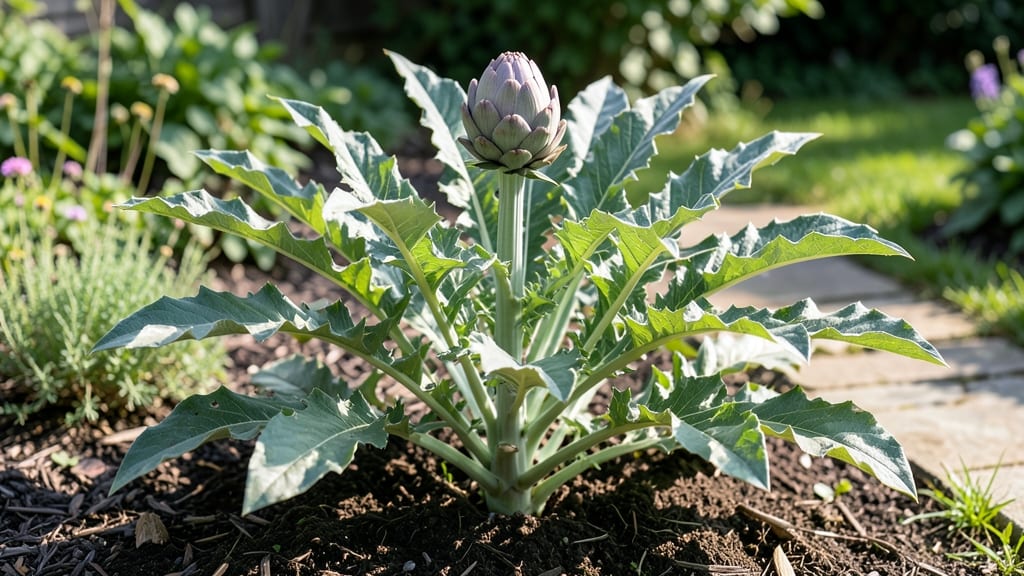
Artichoke plants are perennials in USDA Zones 7-10, where they naturally regrow each year with proper frost protection and well-draining soil. In colder regions, they'll die back annually but can be replanted or overwintered indoors.
Artichoke plants thrive as perennials in warmer climates because their deep root systems store energy over winter, allowing them to resprout when temperatures rise. 🌱 The key difference between zones lies in frost sensitivity—while Zones 7-10 plants handle mild winters, those in colder areas need extra care to survive.
I've found that mulching heavily in late fall and using frost blankets during unexpected cold snaps can make all the difference for gardeners pushing their limits into Zone 6.
What many don't realize is that even in colder climates, artichokes can be treated as perennials with proper overwintering techniques. Digging up the root crown in fall, trimming back foliage, and storing it in a cool, dark place with slightly moist soil mimics their natural dormancy cycle.
This method lets you replant the same mature plant each spring, which produces larger, more flavorful buds than starting from seed.
For gardeners in Zones 1-5, the annual replanting approach still offers advantages—you get to enjoy fresh artichokes each season without the winter maintenance. However, the perennial approach pays off in subsequent years as the established plants develop stronger root systems and produce more abundantly.
The choice ultimately depends on your climate, time commitment, and how much you value long-term garden investment.
💡 In This Article
- Climate Factors That Determine Artichoke Plant Longevity
- How to Extend Artichoke Plant Life in Cold Climates
Climate factors that determine artichoke plant longevity
Artichoke plants thrive as perennials because their robust root systems store carbohydrates during the growing season, which fuels regrowth in spring. This energy reserve allows them to survive mild winters in USDA Zones 7-10, where temperatures rarely drop below 10°F.
The plant's natural dormancy cycle kicks in when nights stay below 50°F for several weeks, triggering the roots to go dormant while protecting above-ground growth.
The critical factor is frost sensitivity—artichokes can tolerate light frosts (28-32°F) but suffer damage when temperatures plummet below 20°F. In Zone 7, where winters average 20-25°F, plants often survive with minimal protection, while Zone 10's mild winters (30-40°F) create ideal perennial conditions.
The soil temperature also matters: roots need to stay above 35°F to prevent irreversible damage during dormancy.
Well-draining soil is non-negotiable for perennial success. Artichokes hate soggy roots, which can rot during winter's moisture retention. In Zones 7-10, gardeners should amend soil with 20-30% compost and ensure slopes or raised beds prevent water pooling.
The plant's deep taproot (reaching 3-4 feet) helps it access moisture during dry spells, but this same root system makes it vulnerable to waterlogged conditions that suffocate it during winter.
Another key element is daylight exposure. Artichokes are short-day plants, meaning they flower best with 12-14 hours of daylight. In northern zones, this natural photoperiod shift triggers earlier dormancy, while southern zones allow extended growing seasons.
This explains why Zones 7-10 plants often produce two harvests per year—spring and fall—while northern plants focus energy on root storage for survival.
What's fascinating is how artichokes adapt their growth cycles. In Zone 8, where winters average 25-30°F, plants may produce smaller buds earlier in the season to complete growth before cold sets in.
This survival strategy demonstrates why established perennials outperform annuals—they've evolved to optimize their energy use based on local climate patterns over generations. 🌿
For gardeners in marginal zones (like Zone 6), the battle against winter becomes a balancing act. While the plant might survive 15°F with protection, the real challenge is preventing soil heaving—when freeze-thaw cycles lift roots from the ground.
This is why mulching with 4-6 inches of straw or leaves creates an insulating barrier that maintains stable soil temperatures.
Understanding these climate interactions helps explain why artichokes thrive as perennials in warmer zones but struggle without intervention in colder ones. The plant's biology is perfectly adapted to Mediterranean climates where mild winters and hot summers create ideal conditions for its perennial growth cycle.