
Flowers
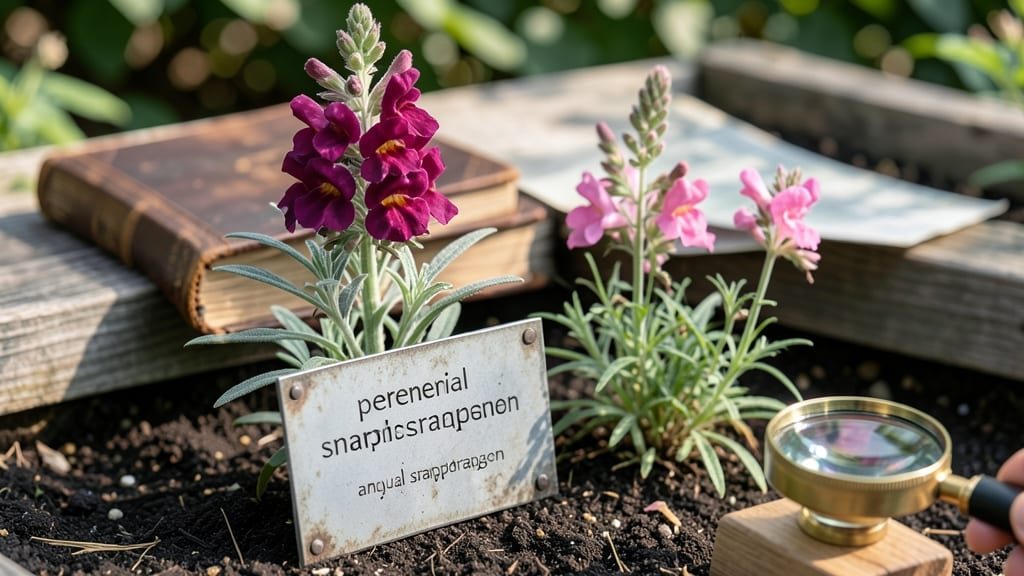
Snapdragons behave as biennials or short-lived perennials in most climates, but they grow as annuals in cold-hardy zones 7-11 where they readily self-seed. In colder regions (below zone 7), they usually die back annually but may regrow from seed if conditions permit.
This behavior stems from their natural growth cycle—snapdragons often produce flowers in their second year before setting seed, which explains why they're classified as biennials in warmer zones. 🌱 However, their ability to self-seed means they can return year after year even when not technically perennial.
In colder climates, proper winter care like mulching can help preserve their roots, increasing the chances of new growth in spring.
For gardeners in zones 6 and below, choosing cold-tolerant varieties like 'Black Knight' or 'Matrix' can make a big difference. These types handle frost better and may survive winter with minimal protection. The key is balancing their natural tendencies with smart gardening practices to encourage repeat blooms.
💡 In This Article
- Snapdragon Lifespan: Biennial vs Perennial Behavior Explained
- Extending Snapdragon Growth: Winter Care for Cold Regions
Snapdragon lifespan: biennial vs perennial behavior explained
Snapdragons follow a fascinating growth pattern that shifts between biennial and perennial depending on climate. In warmer zones (7-11), they typically complete their life cycle in two years as biennials: first year focuses on leafy rosette growth, while the second year produces flower spikes and seeds.
This two-year cycle explains why they're often treated as annuals in these regions—they self-seed prolifically, creating the illusion of perennial behavior without actually surviving multiple years from the same root system. 🌱
The key difference lies in their cold hardiness. Snapdragons are native to the Mediterranean and mountainous regions where they evolved to handle seasonal die-back. In colder zones (below 7), the plants often die back to the ground during winter but can regrow from seed if conditions are favorable.
Their roots may survive mild winters with proper protection, allowing them to return as short-lived perennials—typically living 2-3 years before declining. The cold triggers dormancy, which conserves energy for regrowth in spring.
What makes snapdragons unique is their seed germination strategy. Even if the parent plant dies, the seeds often remain viable in the soil for 2-3 years, ready to sprout when conditions improve.
This explains why you might see snapdragons returning year after year without replanting—it's not the same plant persisting, but rather new generations emerging from the seed bank. In zones 7-11, this self-seeding creates dense stands that bloom continuously for seasons. 🌿
Botanically, their perennial tendencies are limited by their native habitat's seasonal extremes. Unlike true perennials (like lavender or salvia) that develop robust root systems to survive multiple winters, snapdragons prioritize quick reproduction through seed production.
Their shallow root systems make them less cold-hardy than true perennials, which is why they require special care in colder climates. The trade-off is their remarkable adaptability—they'll grow almost anywhere with minimal soil requirements.
For gardeners, this means snapdragons offer the best of both worlds: the reliability of perennials with the vibrant annual display. In warmer climates, they'll self-sow and return naturally, while in colder areas, strategic planting and winter protection can encourage their perennial-like behavior.
The secret lies in understanding their natural growth rhythms and working with—not against—their botanical tendencies. 💫
Consider this: a single snapdragon plant in zone 8 might produce 1,000-2,000 seeds in its second year. Even if only 10% germinate, that's enough to create a dense stand of new plants next season—explaining why they seem to "come back" without replanting.
This seed abundance is their survival strategy in unpredictable climates, making them one of the most resilient garden flowers. 🌸