
Flowers
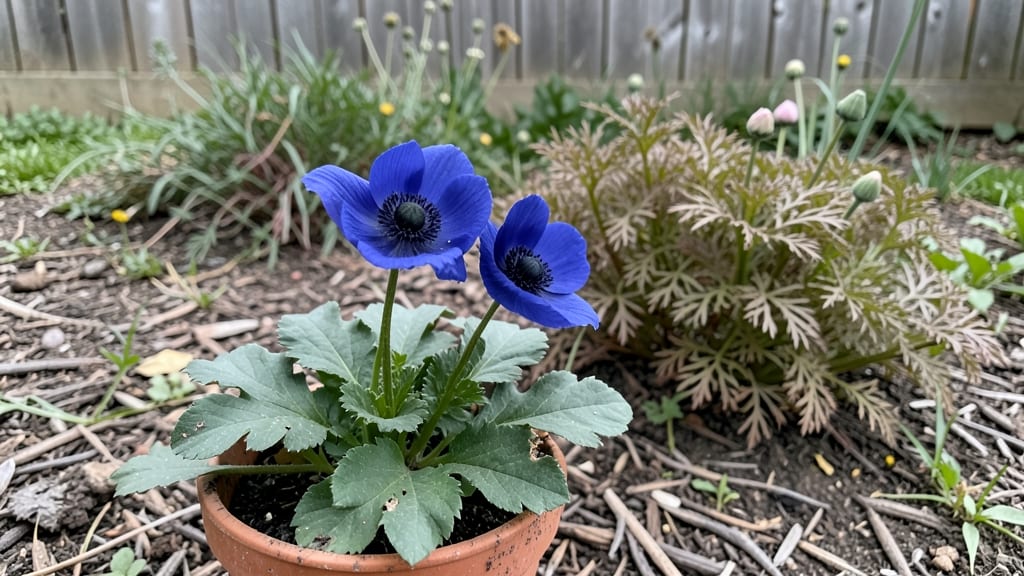
Deciding whether anemones are annual or perennial depends on the variety and climate: most thrive as perennials in temperate zones, while types like Anemone coronaria act as annuals in colder areas. Proper care extends their lifespan significantly.
Anemones showcase fascinating growth patterns that adapt to their environment.
True perennials like Anemone hupehensis develop deep root systems that survive winter dormancy, rebounding with vibrant blooms each season. 🌿 Meanwhile, varieties such as the poppy anemone (Anemone coronaria) complete their life cycle in one year in colder climates but may return if protected.
The key difference lies in their hardiness—perennials invest energy in underground storage, while annuals focus all efforts on rapid above-ground growth before dying back.
For gardeners, understanding this distinction shapes planting strategies. Perennial types benefit from well-draining soil and mulch protection during winter, while annuals may need replanting yearly in harsh zones. I've found that even "annual" anemones sometimes return if given consistent moisture and shelter—proof that nature often defies simple classifications!
💡 In This Article
- Perennial Anemone Varieties and Their Growth Cycles
- Planting and Care Tips for Long-Lasting Anemones
Perennial Anemone varieties and their growth cycles
True perennial anemones like Anemone hupehensis and Anemone japonica develop robust, fibrous root systems that store nutrients underground, allowing them to survive winter dormancy. These varieties typically grow 12-36 inches tall and thrive in USDA zones 4-9, where they can live for 5-10 years or more with proper care.
The key to their longevity lies in their ability to enter a deep dormancy during cold months, with roots remaining active just below the frost line.
Here's what sets them apart from seasonal types: perennial anemones allocate energy to building thick rhizomes (underground stems) during their first growing season, which act as living food reserves. For example, Anemone hupehensis produces 1-2 inch thick rhizomes that can regenerate entire plants from just a 1-inch section.
In contrast, annual varieties like Anemone coronaria focus all their energy on rapid above-ground growth, producing stunning 2-3 inch flowers but dying back completely after seeding.
Climate plays a critical role in determining whether an anemone behaves as a perennial or annual. In Zone 5 or colder, even hardy perennials like Anemone tomentosa may act as biennials, flowering the first year but only establishing full root systems in the second.
The crown depth matters too—perennial types need at least 4-6 inches of soil cover to protect their growing points from freeze-thaw cycles, while annuals have no such requirements. This explains why you might see poppy anemones returning in milder winters but disappearing completely in harsh ones.
Some anemones blur the line between perennial and biennial. Anemone blanda, for instance, often behaves as a short-lived perennial, living 3-5 years in ideal conditions but producing fewer blooms each subsequent year.
The science behind this involves resource allocation—young plants prioritize root development, while older plants shift energy to flower production. This trade-off creates the classic bell-shaped growth curve seen in many biennial plants, where vigor peaks in the second year before declining.
What most gardeners don't realize is how light exposure affects these growth patterns. Perennial anemones need partial shade (3-6 hours of direct sun) to prevent stress, while annual varieties can tolerate full sun in cooler climates.
The difference comes down to moisture retention—shade helps perennial roots maintain consistent hydration, while annuals complete their life cycle quickly before summer droughts arrive. This explains why Anemone coronaria thrives as an annual in Mediterranean climates but struggles to return in humid continental zones.
For those interested in pushing the limits, Anemone × hybrida (hybrid anemones) often exhibit the most interesting growth patterns. These crosses between perennial and annual types may produce larger flowers (3-4 inches) but require consistent moisture throughout their growing season.
The trade-off? They demand more maintenance but reward gardeners with longer bloom times (6-8 weeks) compared to their pure perennial counterparts.