
Planting
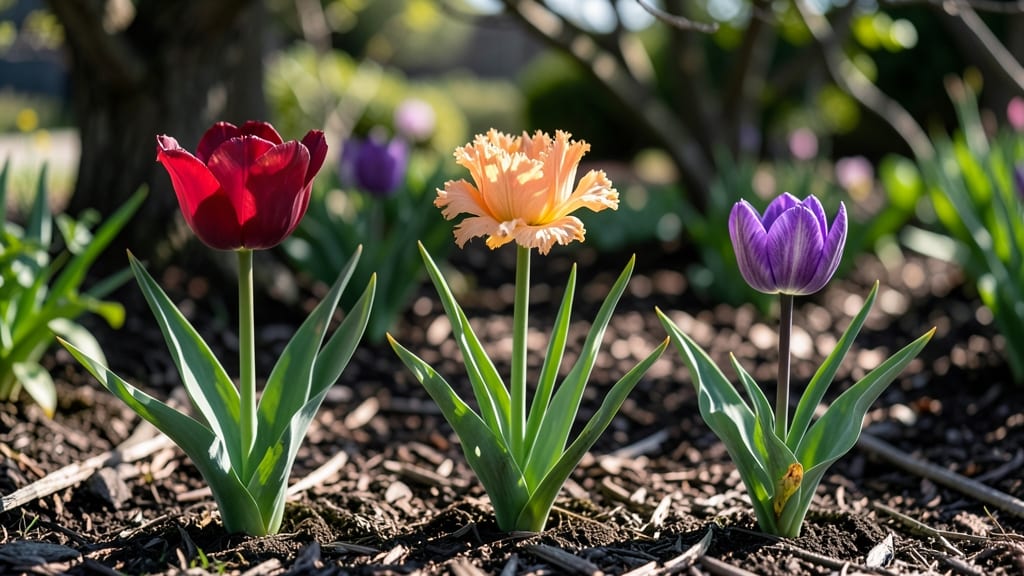
Perennial tulips thrive in Zone 7 when planted in fall (October-November) for best bloom longevity, requiring well-draining soil, partial shade, and consistent moisture. Varieties like Tulipa tarda or Tulipa kaufmanniana perform best in this climate with proper mulching and spring deadheading.
Planting perennial tulips in Zone 7 isn't just about timing—it's about creating the right conditions for their long-term survival. 🌱 The key is mimicking their natural habitat: well-draining soil prevents root rot, while partial shade protects them from harsh afternoon sun.
I've found that varieties like Tulipa tarda actually naturalize better in this zone, returning year after year with minimal care. The secret to their longevity lies in proper mulching after planting and deadheading spent blooms to redirect energy to next year's growth.
What often catches gardeners off guard is how quickly these tulips establish themselves when planted correctly. Unlike their bulb counterparts, perennial tulips develop deeper root systems over time, making them more resilient to Zone 7's temperature fluctuations.
I recommend adding a 2-3 inch layer of mulch after planting to insulate roots during winter while keeping soil moist during dry spells. This simple step can mean the difference between tulips that fade after one season and those that become reliable garden staples.
💡 In This Article
- Best Perennial Tulip Varieties for Zone 7 Climates
- Zone 7 Tulip Planting and Maintenance Calendar
Best perennial tulip varieties for Zone 7 climates
The right perennial tulip varieties for Zone 7 are those that balance cold hardiness with the ability to naturalize—meaning they return and multiply year after year. Tulipa tarda stands out because its early bloom time (March-April) avoids late spring frosts while its deep roots anchor it through Zone 7's winter lows of 10-15°F.
This species also handles the region's humidity better than many tulips, reducing the risk of fungal diseases that plague other varieties during wet springs.
For gardeners seeking vibrant colors, Tulipa kaufmanniana delivers striking reds, yellows, and purples with minimal care. Its smaller size (6-12 inches tall) makes it perfect for borders or containers, while its ability to naturalize means you'll see more blooms each season.
What's fascinating is how these flowers develop a papery outer layer that protects the inner petals from rain—critical in Zone 7's unpredictable spring showers. 🌸 Another top performer is Tulipa greigii, which thrives in partial shade and produces fragrant blooms that attract pollinators while resisting deer browsing.
These varieties succeed because they've evolved to handle Zone 7's specific challenges. Tulipa tarda, for example, grows in rocky, well-drained soils similar to its native Central Asian habitat—ideal for mimicking in your garden.
The key is choosing varieties that match your site's conditions: T. kaufmanniana for sunny borders, T. greigii for dappled shade, and T. tarda for naturalizing meadows. Each has a unique bloom cycle that extends your garden's color palette from early spring through summer.
What most gardeners overlook is how these tulips' leaf structure contributes to their longevity. The broad, strappy leaves of T. tarda collect sunlight efficiently for photosynthesis, while the more compact foliage of T. kaufmanniana conserves moisture—a critical advantage during Zone 7's occasional summer droughts.
This leaf morphology directly impacts how well they store energy in their bulbs for next year's blooms.
For those interested in experimental varieties, consider Tulipa clusiana (Lady tulip) or Tulipa sprengeri, both of which handle Zone 7's conditions exceptionally well. The Lady tulip's delicate, cup-shaped flowers thrive in partial shade and multiply rapidly, creating stunning groundcover.
Meanwhile, T. sprengeri offers bold, early blooms that emerge before many weeds, giving you a clean, colorful display with minimal maintenance.
When selecting varieties, pay attention to their mature size and growth habits. T. tarda spreads via bulb offsets, creating dense colonies over time, while T. kaufmanniana forms tighter clusters. This difference affects how you'll design your planting scheme—whether you want sweeping drifts or contained clusters.
The right choice depends on your garden's scale and your desire for either wild abundance or structured elegance.
Remember that these varieties will reward your efforts with years of blooms, but only if planted correctly. The secret isn't just choosing the right types—it's creating the ideal conditions for their unique growth patterns to thrive in Zone 7's climate. 🌿