
Flowers
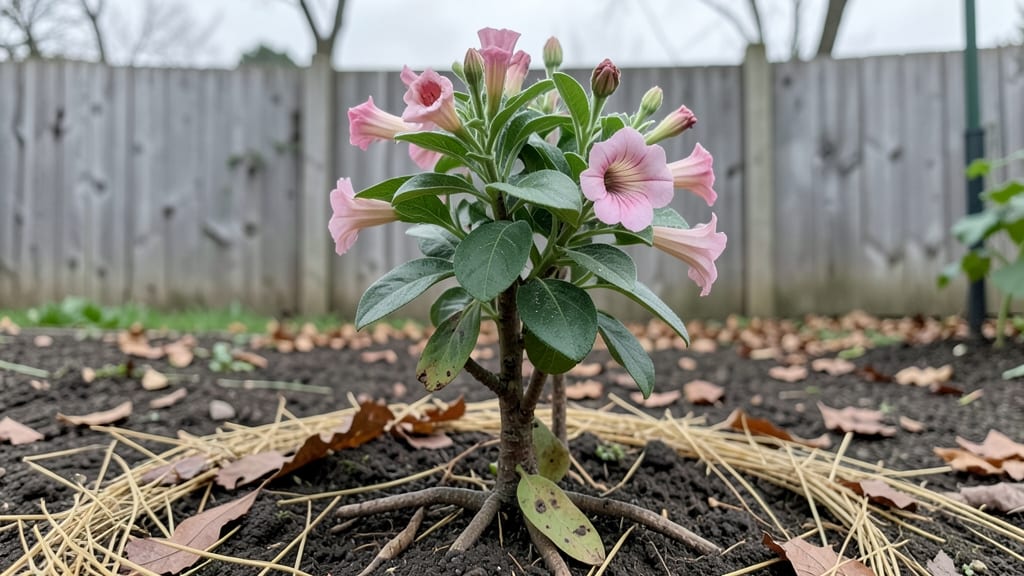
4 o'clock flowers perennials thrive in warm climates, blooming late afternoon to evening with trumpet-shaped blossoms in vibrant hues like pink, yellow, and red. They require well-drained soil, full sun, and minimal watering once established, typically returning yearly in USDA Zones 10-11 with proper care.
Their name comes from the unique habit of blooming precisely at 4 PM, opening their trumpet-shaped flowers to attract evening pollinators like moths. 🌸 This diurnal rhythm makes them stand out in gardens, especially when paired with evening-scented plants like jasmine or gardenias.
Native to South America, these perennials have adapted to thrive in arid conditions, making them surprisingly drought-tolerant once established—just don't overwater during their first growing season.
What makes them special is their ability to self-seed prolifically in ideal conditions, creating naturalizing drifts of color. However, they're not frost-tolerant, so gardeners in cooler climates often treat them as annuals or grow them in containers that can be moved indoors during winter.
The key to their longevity is consistent care: prune back dead blooms regularly and mulch heavily in winter to protect the roots.
💡 In This Article
- Understanding Four O’Clock Flower Perennial Growth Cycles
- Planting and Maintaining Perennial Four O’Clock Flowers
Understanding four o’clock flower perennial growth cycles
The diurnal blooming pattern of these flowers is controlled by a circadian rhythm triggered by light intensity rather than clock time. Their trumpet-shaped blossoms remain closed during daylight hours to conserve moisture, then open precisely at 4 PM when sunlight dims to about 10,000 lux—the threshold that signals evening.
This behavior attracts nocturnal pollinators like hawk moths, which are drawn to the flowers' strong, sweet fragrance that peaks after sunset. 🌅 The petals contain specialized cells that respond to blue light wavelengths, causing them to unfurl gradually over 30-60 minutes as chlorophyll production shifts.
Root systems develop 12-18 inches deep to access groundwater in their native South American habitats, particularly in the Andes Mountains where they evolved. The taproot stores starches during dormancy, allowing regrowth even after 6-8 weeks of dry conditions—a trait that makes them surprisingly resilient in USDA Zones 10-11.
What most gardeners don't realize is that these perennials enter a semi-dormant state during summer's peak heat (above 90°F), dropping leaves to reduce water loss while maintaining shallow root activity. This adaptation explains why they often appear "dead" mid-summer before rebounding with fall rains.
The key difference between perennial and annual varieties lies in their root development speed. Perennials establish a robust root system in their first year, allowing them to survive winter's mild temperatures (down to 30°F with protection).
Annuals, however, focus all energy on above-ground growth and flowering, producing seeds before dying back—this is why they're often sold as "self-seeding" plants. The perennial's fibrous root network also creates a natural drought barrier, reducing competition from weeds while improving soil structure over time. 💧
Temperature fluctuations play a critical role in their longevity. While they tolerate heat well, sudden drops below 40°F can damage emerging shoots, which is why gardeners in Zone 9 often use row covers during unexpected cold snaps.
The flowers' native range in Argentina and Brazil experiences dramatic seasonal swings—from 100°F days to 50°F nights—which has made them remarkably adaptable to Mediterranean climates when given proper drainage. This hardiness explains why they're increasingly popular in California gardens, where they thrive in well-drained slopes with afternoon shade.
One fascinating mechanism is their seed germination timing. Seeds remain dormant until exposed to consistent moisture and temperatures between 70-80°F, which explains why they often pop up unexpectedly in spring after winter rains. This delayed germination strategy helps them avoid competing with established vegetation.
The flowers' self-pruning habit—where spent blooms drop naturally—also contributes to their perennial nature by redirecting energy to root development rather than seed production.
For gardeners pushing their limits in Zone 9, the secret to perennial success lies in mulching with 3-4 inches of organic matter (like straw or wood chips) to insulate roots during winter. This mimics their natural habitat's soil conditions, where loose, mineral-rich topsoil prevents waterlogging while retaining moisture.
The trade-off? Their love of full sun means they'll bolt (go to seed) if deprived of 6+ hours of direct sunlight daily, so placement matters more than most perennials. 🌿