
Planting
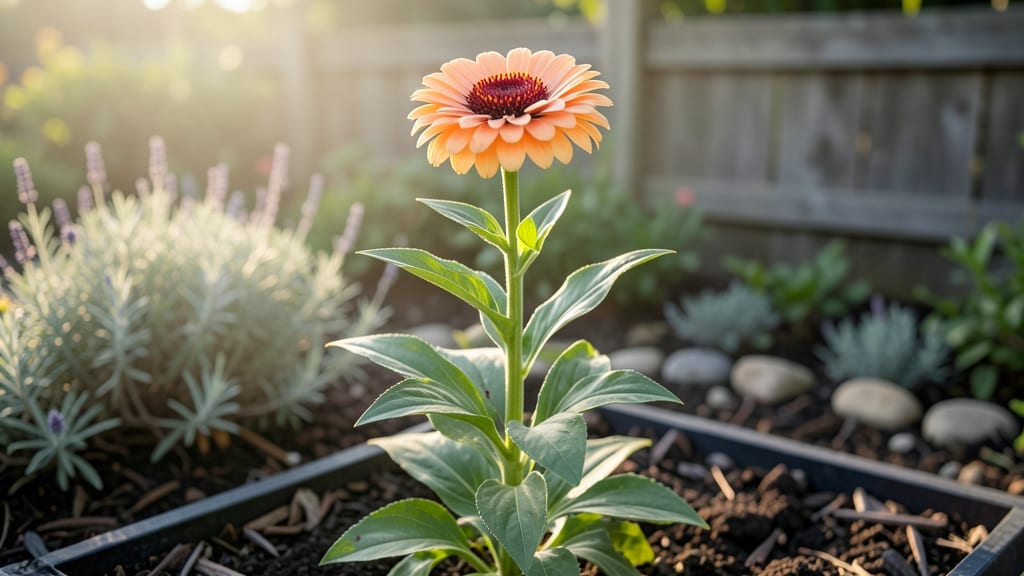
Zinnia plants are annual or perennial? They are annuals that complete their life cycle in one season, dying back with frost, but their prolific self-seeding often makes them return naturally year after year in favorable conditions.
A zinnia plant annual or perennial follows a strict annual cycle, germinating from seed, flowering, and producing new seeds before frost kills them back to the ground. 🌱 What makes them seem like perennials is their ability to drop thousands of seeds that sprout the following spring, creating dense clusters of new plants.
This natural regeneration happens when temperatures stay mild through winter and soil remains undisturbed, allowing seedlings to establish early. In colder regions, gardeners can mimic this behavior by collecting and storing seeds indoors until planting time.
While zinnias don't survive winter like true perennials, their self-seeding habit creates the illusion of perennial behavior. The key difference lies in their biological structure—annuals focus all energy on rapid growth and reproduction within one season, while perennials allocate resources to both growth and survival structures.
This explains why zinnias thrive in warm climates but often need human intervention in colder areas to maintain their presence year after year.
💡 In This Article
- Why Zinnias Die Back: Annual Life Cycle Explained
- How to Extend Zinnia Blooms Like a Perennial
Why zinnias die back: annual life cycle explained
Zinnias follow a strict annual life cycle that begins with seed germination in spring and ends with frost-induced dormancy. Their entire growth process—from sprouting to flowering to seed production—typically unfolds within 90-120 days, depending on the variety.
This rapid timeline contrasts sharply with perennials, which develop woody stems or underground structures to survive multiple growing seasons. Zinnias, however, allocate all their energy to above-ground growth and reproduction, leaving nothing to sustain them through winter.
The frost trigger is what ultimately signals their demise. When temperatures drop below 28°F, the plant's cellular structure freezes, causing irreversible damage to leaves, stems, and roots. Unlike perennials that have hardened tissues or root systems capable of withstanding cold, zinnias lack these adaptations.
Their delicate stems contain high moisture content (around 80-85% water), which crystallizes during freezing, rupturing cell walls. This biological limitation explains why zinnias cannot persist through winter as true perennials.
What creates the illusion of perennial behavior is their extraordinary seed production. A single mature zinnia plant can release 1,000-2,000 seeds per stem, which scatter widely in the garden.
These seeds remain viable in the soil for 2-4 years under ideal conditions, waiting for warm temperatures and moisture to trigger germination. This self-seeding mechanism is nature's way of ensuring the species' survival, but it's fundamentally different from true perennial regeneration where the same plant structure returns each year.
Climate plays a crucial role in this cycle. In USDA zones 8-11, where winters rarely drop below 20°F, zinnias may continue blooming year-round or self-seed continuously, creating dense patches that appear perennial.
However, in colder zones (3-7), gardeners must actively intervene by collecting seeds or replanting annually, as the natural cycle is interrupted by harsh winters. This geographical variation explains why zinnias seem to behave differently depending on location.
The botanical distinction between annuals and perennials lies in their growth strategies. Zinnias exhibit what's called a "big-bang" reproduction strategy—all energy goes into one massive flowering event followed by seed production, while perennials spread their energy across multiple seasons.
This explains why zinnias produce such vibrant, long-lasting blooms (like the popular 'Benary's Giant' variety) but cannot persist through winter like their perennial counterparts.
Understanding this cycle helps gardeners manage expectations. While zinnias won't return naturally in cold climates, their self-seeding habit means they'll often pop up unpredictably in spring, creating beautiful surprises. The key is recognizing that this isn't true perennial behavior but rather an evolutionary adaptation for species survival through seed propagation.