
Aphids
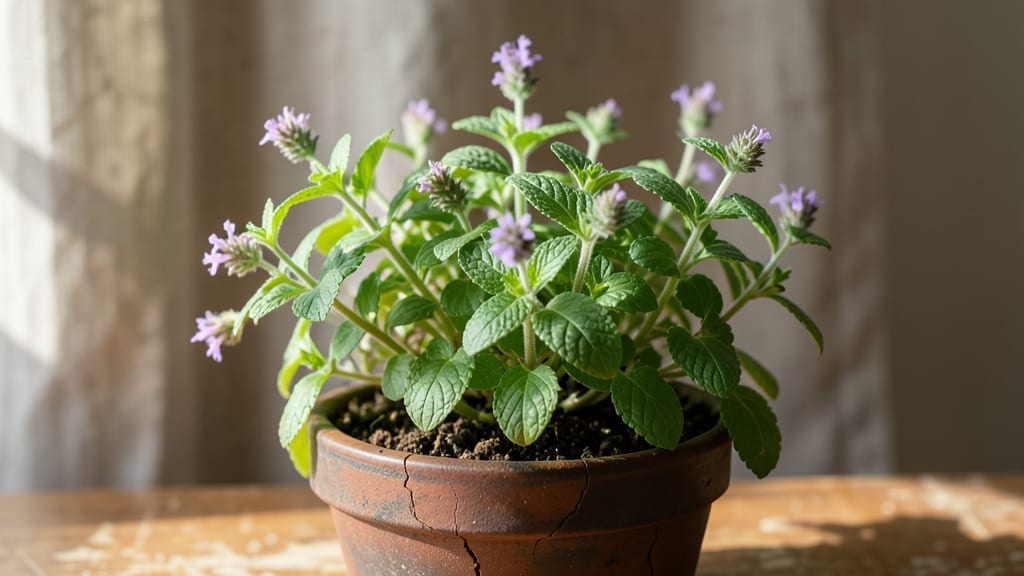
Growing perennial mint herb successfully requires USDA zones 3 through 9, where it spreads rapidly in partial shade to full sun, while its crushed foliage serves as an effective natural aphid deterrent when used near vulnerable plants or as a homemade spray.
This hardy herb thrives across a wide range of climates, from cold northern regions to warm southern areas, thanks to its deep root system that adapts to various soil types. 🌱 The aggressive spread makes it perfect for border planting or as a living mulch, while its natural oils release when crushed, creating a scent aphids actively avoid.
For best results, plant it near roses, tomatoes, or cabbage—crops that often attract these pests.
The aphid-repelling benefits come from the menthol compounds in the leaves, which disrupt insects' feeding patterns when applied directly. I've found that a simple spray made from fresh mint leaves and water (1:4 ratio) works well when applied in the evening to avoid harming beneficial insects.
Just be mindful of overgrowth—its invasive nature means it can take over garden beds if not contained.
💡 In This Article
- Optimal Growing Conditions for Perennial Mint
- DIY Perennial Mint Aphid Repellent Recipes
Optimal growing conditions for perennial mint
Perennial mint's remarkable adaptability stems from its deep, fibrous root system that can extend 3-5 feet underground, allowing it to access moisture and nutrients even in less-than-ideal soils.
This root structure also enables it to survive winter temperatures down to -30°F, explaining why it thrives across USDA zones 3 through 9.
The plant's natural hardiness means it can tolerate poor soil drainage better than many herbs, though it prefers well-draining, slightly acidic soil with a pH between 6.0 and 7.0 for optimal growth.
The aggressive spread comes from its stolons—horizontal stems that root at nodes—producing new plants every 10-15 inches.
In ideal conditions, a single plant can spread 3-6 feet per season, which is why gardeners often contain it in pots or raised beds. 🌱 What's fascinating is how mint's leaves contain high concentrations of menthol (up to 40% of its essential oils), which not only repels pests but also makes the plant less appealing to many herbivores, contributing to its survival in diverse climates.
Sunlight needs vary by climate—mint grows best in partial shade (4-6 hours of sun) in hotter zones (7-9) to prevent leaf scorch, while it tolerates full sun (6+ hours) in cooler zones (3-6).
The key is consistent moisture; mint requires 1-1.5 inches of water weekly and wilts quickly in dry conditions. Its ability to thrive in both damp and moderately dry soils makes it a resilient choice for gardeners in regions with unpredictable rainfall patterns.
Temperature tolerance is another standout feature. While mint can handle freezing temperatures, it enters dormancy below 20°F, with new growth resuming once soil temperatures reach 50°F in spring.
This adaptability explains why it's found wild in meadows, along streams, and even in urban cracks—it's equally at home in a controlled garden bed or a neglected corner. The plant's rapid regrowth after cutting or frost damage further cements its reputation as an indestructible herb.
For gardeners concerned about its invasive nature, consider these containment strategies: plant mint in 18-inch-deep containers with drainage holes, or use buried edging materials like landscape fabric to limit root spread.
The trade-off? Contained mint produces more concentrated essential oils, making it even more effective as an aphid repellent when crushed or used in sprays. 🌿
One often-overlooked factor is companion planting. While mint repels aphids, it can also inhibit the growth of nearby plants by releasing allelopathic chemicals through its roots. Space it at least 2 feet away from other herbs or vegetables to prevent stunted growth in sensitive crops like lettuce or carrots.