
Blooming
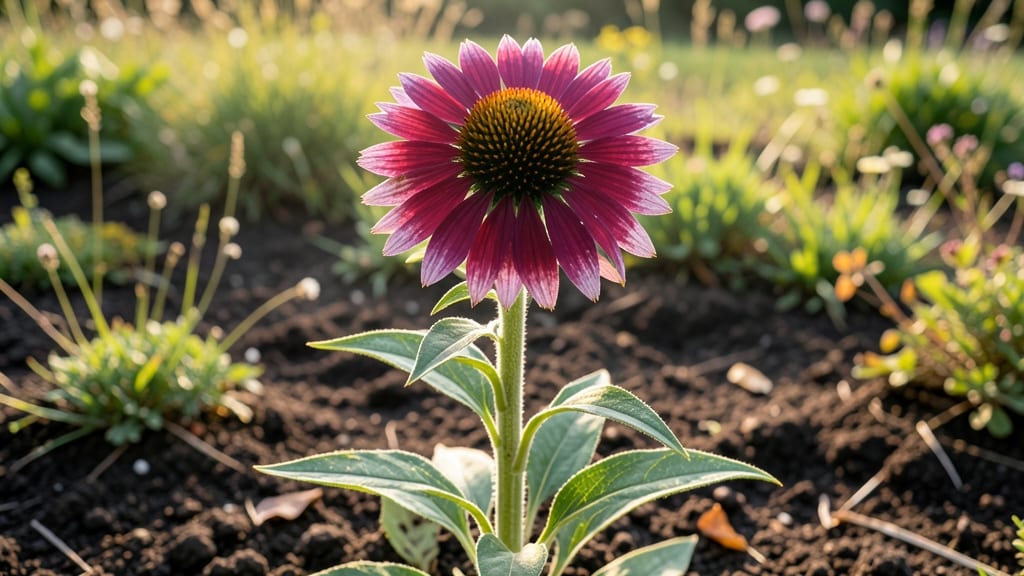
Summer-blooming perennial flowers like coneflowers, black-eyed Susans, and bee balm thrive in heat, delivering vibrant colors from June through September with minimal maintenance after their first year.
These heat-resistant varieties have evolved to handle intense sun and dry spells, thanks to their deep root systems that access moisture deep underground. 🔥 The secret to their longevity lies in their ability to store water efficiently, while their waxy foliage reduces evaporation.
I’ve found that once established, these perennials often outperform annuals in summer heat, providing continuous blooms without the need for constant replanting.
For best results, plant them in well-draining soil with 6-8 hours of sunlight daily. Mulching helps retain moisture, and deadheading spent blooms encourages more flowers. Pairing them with drought-tolerant companions like lavender or sedum creates a low-maintenance summer garden that thrives without fuss.
💡 In This Article
- Why These Perennials Excel in Summer Heat
- Planting and Care Tips for Summer-Blooming Perennials
Why these perennials excel in summer heat
Summer-blooming perennials like coneflowers and black-eyed Susans have evolved sophisticated survival mechanisms to thrive in intense heat. Their deep root systems—often extending 3-5 feet below the surface—tap into moisture reserves that shallow-rooted annuals can't access.
This adaptation allows them to withstand weeks without significant rainfall, a common challenge in summer gardens. The roots also produce natural growth regulators that help the plant conserve water during drought periods.
Another key advantage is their heat-resistant foliage, which features waxy coatings that reduce water loss through transpiration.
For example, bee balm's leaves have a slightly fuzzy texture that creates a microclimate, keeping moisture trapped near the plant's surface. 🌿 These adaptations mean they can maintain vigorous growth even when temperatures climb above 90°F, whereas many annuals wilt or bolt under similar conditions.
The deep purple cones of coneflowers, for instance, contain pigments that reflect excess sunlight, preventing overheating of the plant tissues.
The blooming cycles of these perennials are also enhanced by summer sun exposure. Unlike shade-loving plants that produce fewer flowers in heat, these varieties actually increase their bloom production when given 6-8 hours of direct sunlight daily.
Black-eyed Susans, for example, can produce 50-100 flowers per stem when grown in full sun, compared to just 10-20 flowers in partial shade. This sun-triggered flowering is a survival strategy that ensures maximum pollination opportunities during the peak growing season.
What's particularly impressive is how these perennials store energy throughout the growing season. During cooler spring months, they build up starch reserves in their roots, which fuel their summer growth. This stored energy allows them to recover quickly from heat stress or occasional drought.
For instance, established coneflowers can rebound from 3-4 weeks of dry conditions without visible decline, while many annuals would show significant stress after just 2 weeks.
Scientifically, this resilience comes from a combination of C4 photosynthesis in some varieties (like certain grasses often found in perennial mixes) and CAM photosynthesis in others, which minimize water loss. While most garden perennials use standard C3 photosynthesis, these heat-lovers have adapted to operate more efficiently in high temperatures.
The result? Vibrant blooms that continue through August and September when many other plants have faded.
Consider how these adaptations compare to annuals: while marigolds might produce bright blooms all summer, they require constant watering and replanting. Perennials like daylilies, on the other hand, develop rhizomes that spread underground, creating a self-sustaining network that multiplies each year.
This underground growth not only stores water but also produces new flowering stems without additional planting effort from you.