
How To
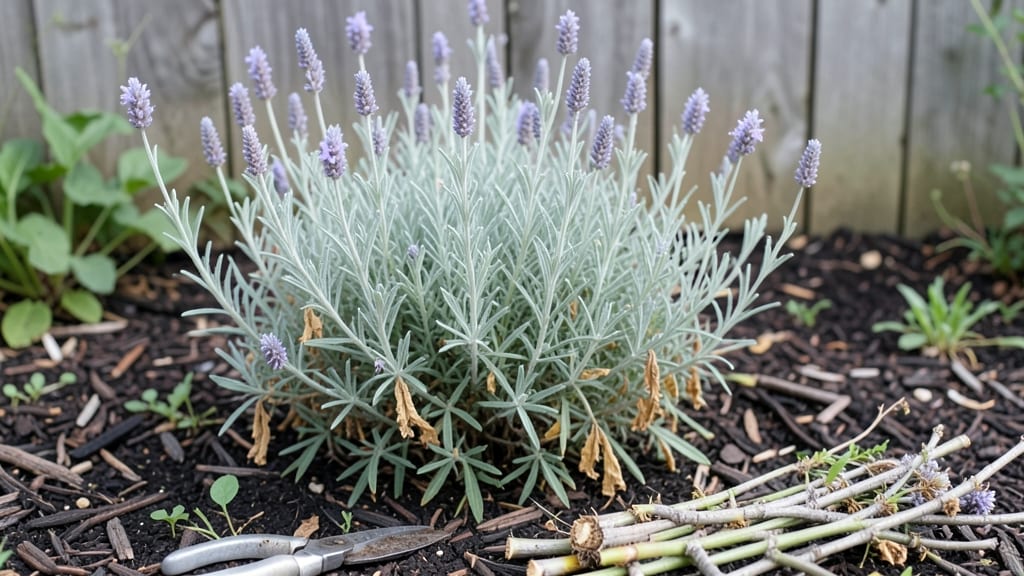
To trim perennials effectively, focus on timing based on plant type: most thrive when pruned in early spring (before fresh shoots emerge) or late winter for deadheading, while shrubs and woody perennials should be cut back during their dormant season to minimize disease risk. Never trim after flowering unless your variety is evergreen or non-flowering in your area.
Timing matters because perennials grow in distinct cycles—spring-bloomers like peonies need pruning right after flowering, while summer-bloomers such as coneflowers wait until late fall. 🌿 Your climate zone also shifts the window: in colder regions (USDA zones 3-6), late winter pruning avoids frost damage, whereas Mediterranean climates may require earlier cuts to prevent summer stress.
I always check my local frost dates first—it’s the single biggest factor in avoiding mistakes.
For example, hydrangeas bloom on old wood, so cutting them back in spring would mean no flowers that season. Meanwhile, ornamental grasses benefit from a hard cut in early spring to encourage fresh growth. The key is matching your pruning to the plant’s natural rhythm, not just a calendar date.
💡 In This Article
- Pruning Perennials by Growth Cycle and Climate Zones
- Tools and Techniques for Safe Perennial Trimming
Pruning perennials by growth cycle and climate zones
Perennial plants follow distinct growth cycles that dictate the best pruning times. Spring-bloomers like clematis or lilacs rely on last year's growth to produce flowers, so pruning should occur immediately after blooming—typically 4-6 weeks post-flowering.
In contrast, summer-bloomers such as black-eyed Susans or cone flowers can be cut back in late fall or early spring before new shoots emerge, as their flowers develop on current season's growth.
The difference lies in their bud formation—spring-bloomers store energy in old wood, while summer types generate blooms from fresh stems. 🌸
Climate zones dramatically alter these timelines. In USDA zones 3-6, where winters are harsh, pruning is best delayed until after the last frost date (typically late April to May) to prevent cold damage to fresh cuts.
However, in Mediterranean climates (zones 9-10), late-winter pruning (around February-March) is ideal to avoid summer heat stress. The key factor is dormancy timing—plants in colder zones enter dormancy earlier, while those in mild climates may stay active year-round.
For example, rosemary in zone 9 can be pruned in early spring, but in zone 5, it must wait until late May to avoid frost damage. 🌡️
Evergreen perennials like lavender or boxwood require a different approach—they can be lightly trimmed throughout the growing season (spring to early fall) to maintain shape, but heavy pruning should still occur in late winter before new growth begins.
The rule of thumb is to never cut back more than 1/3 of the plant's foliage at once, as this can stress the root system.
For deciduous perennials such as hostas or heucheras, the best time is early spring, just as the first leaves emerge, to remove dead foliage while leaving the emerging growth intact. ❄️
Regional exceptions exist, particularly in areas with unpredictable frost patterns. In zone 7b, for instance, late-winter pruning might coincide with February's average low of 15°F, while in zone 8a, the same task could safely occur in March when temperatures stabilize above 20°F.
Always research your specific microclimate—urban areas can be 5-10°F warmer than rural zones just miles away. For woody perennials like butterfly bushes, pruning during dormancy (late winter) reduces disease risk by preventing moisture from lingering on fresh cuts during warm, humid periods. 🌿
What most gardeners overlook is how soil temperature affects recovery. Pruning when soil temps are below 50°F can stunt regrowth, even if air temperatures seem mild. For example, in zone 5, soil may remain cold until mid-May, while air temps hit 70°F by April.
Using a soil thermometer to confirm 50°F+ ensures your cuts won't shock the plant. In Mediterranean climates, the opposite is true—pruning in winter (when growth slows naturally) prevents summer drought stress. 🌡️
Consider these key factors when planning your pruning schedule:
- Spring-bloomers: Prune immediately after flowering (e.g., peonies in June)
- Summer-bloomers: Cut back in late fall or early spring (e.g., bee balm in March)
- Evergreens: Light trimming year-round; heavy cuts in late winter (e.g., boxwood in February)
- Woody perennials: Prune during dormancy (e.g., hydrangeas in March)
The most common mistake is pruning at the wrong time—cutting back spring-blooming shrubs in early spring removes the previous year's flower buds, resulting in no blooms. Always verify your plant's specific needs before reaching for the shears! ✂️