
Planting
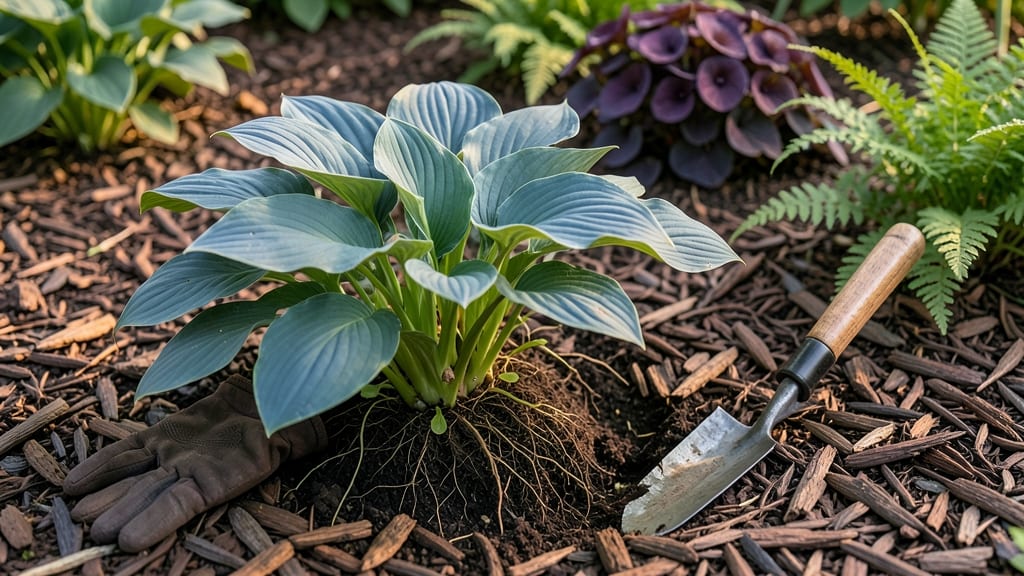
Perennials can grow through mulch when planted correctly, but you must maintain proper spacing and depth to prevent root suffocation and pest buildup. Aim for 2-4 inches of organic mulch while keeping it at least 6 inches away from plant stems.
Mulch acts like a protective blanket for perennial roots, regulating soil temperature and retaining moisture—but too much can smother plants. 🌱 The key is creating a balance where roots can naturally push through while still benefiting from mulch's insulating properties.
I've found that organic options like shredded bark or straw work best because they break down over time, adding nutrients to the soil without compacting it.
Seasonal adjustments matter too. In hot climates, a thicker layer helps retain moisture, while in cooler areas, you might reduce it slightly to prevent excess dampness. Always refresh mulch annually to maintain the right depth and prevent mold or fungal growth near the base of your perennials.
💡 In This Article
- How Mulch Affects Perennial Root Systems
- Best Mulch Types and Application Tips for Perennials
How mulch affects perennial root systems
Mulch creates a microclimate around perennial roots by regulating temperature and moisture levels. When applied correctly, it insulates roots from extreme heat or cold, maintaining soil temperatures within a 50-75°F range—ideal for most perennials.
Organic mulches like wood chips or straw decompose over time, adding nutrients to the soil while improving its structure. This decomposition process releases beneficial microorganisms that enhance root growth, but the breakdown also creates a gradual, nutrient-rich layer that roots can naturally navigate through.
The critical factor is oxygen exchange in the soil. Roots need oxygen to respire and grow, and mulch that's too thick (over 4 inches) can compact soil, reducing pore space for air circulation.
This suffocation effect is why you'll often see stunted growth in perennials buried under thick mulch layers. In contrast, a 2-3 inch layer allows roots to push through while still providing insulation. Think of it like a breathable blanket—too tight, and roots can't expand; too loose, and they lose protection.
Temperature regulation is another key mechanism. Mulch acts as a thermal buffer, preventing soil from heating above 85°F in summer or dropping below 40°F in winter. For example, hosta roots thrive in cooler soil, while daylilies prefer slightly warmer conditions.
The mulch's ability to maintain these temperatures depends on its type and thickness—shredded bark works better in hot climates, while straw is more effective in cooler regions. This balance ensures roots stay active year-round, promoting consistent growth.
Root suffocation isn't just about thickness—it's also about spacing. When mulch touches plant stems, it creates a moist, dark environment perfect for fungal growth, like powdery mildew or root rot. Keeping mulch 6 inches away from stems prevents this while still allowing roots to grow upward through the mulch layer.
This spacing also improves airflow, reducing the risk of pests like slugs or earwigs that thrive in damp, mulch-heavy areas.
Seasonal adjustments play a role too. In summer, mulch helps retain moisture, but if it's too thick, it can trap excess humidity, leading to rot. Conversely, in winter, a slightly thicker layer (up to 4 inches) provides extra insulation against freezing temperatures.
The key is monitoring soil moisture—if the mulch stays soggy for more than a week, it's time to adjust. This dynamic balance ensures perennials grow strong without the risks of suffocation or disease.
One common misconception is that perennials need thick mulch to thrive. In reality, most perennials grow best with a 2-3 inch layer, especially in their first year. Over-mulching can actually inhibit root expansion, as roots may struggle to penetrate the dense layer.
For example, peonies—known for their robust roots—can push through mulch naturally, but if buried too deep, they may produce fewer blooms. The goal is to support root health without restricting growth.