
Planting
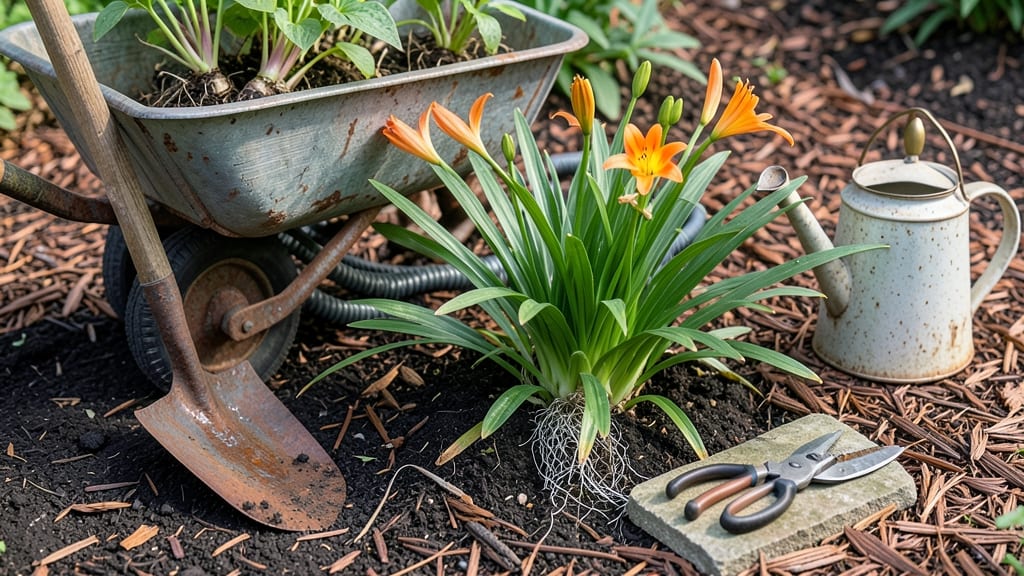
To transplant perennials successfully, aim for early spring or early fall (4-6 weeks before frost) to reduce stress, avoid peak heat or dormancy periods, and ensure strong root development. Always verify your specific plants' needs first.
Timing matters because perennials establish roots best when temperatures are moderate and soil is workable—not too hot or frozen. 🌱 In my experience, spring transplanting works well when soil warms to 50°F or higher, while fall transplanting should finish before 40°F nighttime temps.
Tropical perennials often need different timing, so always research your specific plants' hardiness zones and growth habits.
For example, herbaceous perennials like coneflowers and daylilies thrive when moved in early spring, while woody perennials such as shrubs prefer late summer transplanting. The key is matching the plant's natural growth cycle with the transplant window to minimize shock.
💡 In This Article
- Optimal Transplanting Seasons for Perennials by Climate Zone
- Signs of Plant Stress After Transplanting and Recovery Tips
Optimal transplanting seasons for perennials by climate zone
Seasonal timing directly impacts root regrowth and stress levels in perennials. The ideal window occurs when soil temperatures hover between 50-65°F—warm enough for root activity but cool enough to prevent dehydration.
In temperate zones (USDA 5-8), early spring (March-April) works best as plants emerge from dormancy with 10-12 hours of daylight, while early fall (September-October) gives 6-8 weeks of warm soil before frost. Tropical perennials (zones 9-11) prefer late summer transplanting when humidity remains high and temperatures stay above 70°F.
Daylight length triggers physiological changes that affect transplant success. Short-day plants like asters need 12 hours of light to establish roots, while long-day plants such as peonies thrive with 14+ hours of sunlight post-transplant. The key is matching your region's photoperiod with the plant's natural growth rhythm.
For example, moving hostas in late spring (when nights are shorter) often leads to slower recovery compared to fall transplanting when days begin shortening.
Soil warmth is equally critical—roots need 55°F+ soil to absorb water and nutrients efficiently. Use a soil thermometer to verify conditions before transplanting. In cooler climates, wait until soil reaches 50°F for 5 consecutive days to ensure consistent root activity.
The danger zone is 80°F+ soil, where perennials risk heat stress and transplant shock, even with adequate watering.
Dormancy cycles create another layer of complexity. Woody perennials like lavender and rosemary should be transplanted when 50% of their leaves remain green but before new growth begins in spring. Herbaceous perennials like black-eyed Susans perform best when transplanted while still actively growing but before flowering.
The 6-week rule before frost applies here—plants need time to establish roots before winter dormancy sets in.
Climate zone variations demand specific adjustments. In zone 4 (-30°F winters), transplant in May-June when frost risk drops below 10%, while zone 10 (30°F winters) allows transplanting year-round with proper irrigation.
Always verify your plant's hardiness zone—moving a zone 5 perennial to zone 7 without adjusting timing can lead to failed establishment.
Consider these seasonal factors when planning:
- Spring: Transplant when soil warms to 50°F and frost risk is below 10%
- Fall: Complete transplanting 6 weeks before first frost with 40°F+ nighttime temps
- Summer: Only transplant tropical perennials with 70°F+ soil and 70%+ humidity
- Winter: Avoid transplanting entirely unless using protected microclimates
Remember that root ball size affects timing—larger root systems need 2-3 weeks longer to establish compared to smaller divisions. Always water deeply 2-3 times per week for the first month post-transplant to support root development. 🌿