
Shrubs
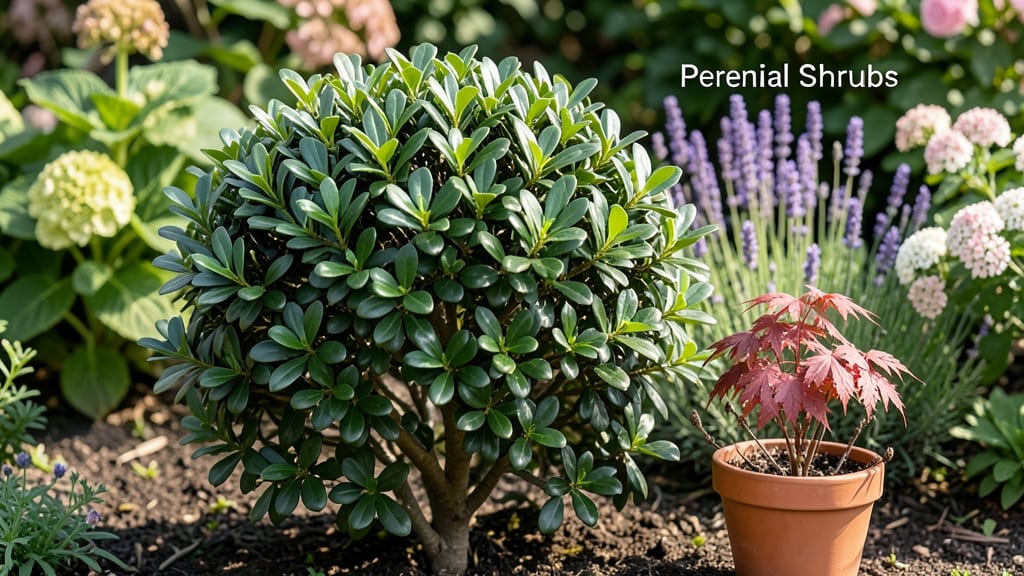
Shrubs are perennials because they maintain their woody stems throughout the year, allowing them to regrow leaves each season from dormant buds. While some varieties may lose foliage in winter or need seasonal trimming, their persistent structure is what classifies them as perennials.
This perennial nature comes from their woody stems, which store nutrients and remain alive underground even when above-ground growth dies back. 🌿 Unlike annuals that complete their life cycle in one season, shrubs like boxwood or lilac regenerate annually, making them ideal for long-term landscaping.
However, cold tolerance varies—some thrive in Zone 3 winters, while others struggle below Zone 7 without protection.
What sets true perennials apart is their ability to rebound each spring from the same root system, though evergreen shrubs like holly keep leaves year-round while deciduous types (like hydrangeas) shed theirs seasonally.
The key difference from annuals is that shrubs don't need replanting annually—their persistent structure is their defining trait.
💡 In This Article
- How Woody Structure Differentiates Shrubs as Perennials
- Identifying Perennial Shrubs vs. Deciduous or Evergreen Types
How woody structure differentiates shrubs as perennials
The defining feature that makes shrubs perennials is their lignified woody stems, which contain specialized cells called vascular cambium.
This layer produces new xylem and phloem each year, thickening the stem and creating growth rings visible in cross-section—like tree rings, but on a smaller scale. 🌳 Unlike annuals that die after flowering or producing seeds, these woody stems act as nutrient reservoirs, storing carbohydrates (like starch) during dormancy to fuel regrowth in spring.
This woody structure also supports bud formation at stem junctions (nodes), where dormant buds contain meristematic cells capable of producing new leaves, flowers, or branches.
For example, a boxwood shrub in Zone 5 can survive winters with temperatures dropping to -20°F because its buds remain protected beneath the bark, while its stems retain moisture and nutrients. The bark itself often thickens over time, providing additional insulation against cold and physical damage.
Seasonal dormancy is another key mechanism. Most shrubs enter a resting phase in winter when temperatures fall below 40°F, slowing metabolic processes to conserve energy. Deciduous types like lilacs drop leaves to reduce water loss, while evergreens like rhododendrons maintain foliage but reduce photosynthesis.
This dormancy isn't true death—roots and stems remain alive, ready to burst into growth when temperatures rise above 50°F in spring.
Cold hardiness varies dramatically by species and climate zone. A wintercreeper (Euonymus) might thrive in Zone 4 (-30°F tolerance), while a bougainvillea barely survives Zone 10 (30°F minimum).
The USDA Plant Hardiness Zone Map helps gardeners match shrubs to local conditions, but even within zones, microclimates (like south-facing walls) can extend a shrub's range by 2-5 zones.
Pruning plays a crucial role in maintaining perennial health. Cutting back one-third of old growth in late winter encourages new, more cold-resistant shoots.
For example, hydrangeas benefit from this practice because their woody stems can become brittle with age, while azaleas need protection from late spring frosts that can damage emerging buds. The key is timing: prune after the last frost date but before new growth begins.
What most gardeners overlook is how root systems contribute to perennial survival. Shrubs develop extensive fibrous roots that spread 12-18 inches deep and 2-3 feet wide, anchoring the plant and accessing moisture even during drought.
This root structure, combined with the woody stem, creates a self-sustaining system that annuals simply can't match. 🌱
The takeaway? A shrub's perennial nature isn't just about living multiple years—it's about biological resilience through specialized structures that adapt to seasonal challenges.
Whether you're planting a lavender bush in Zone 7 or a holly in Zone 6, understanding these mechanisms helps you choose and care for shrubs that will thrive for decades with minimal intervention.