
Transplanting
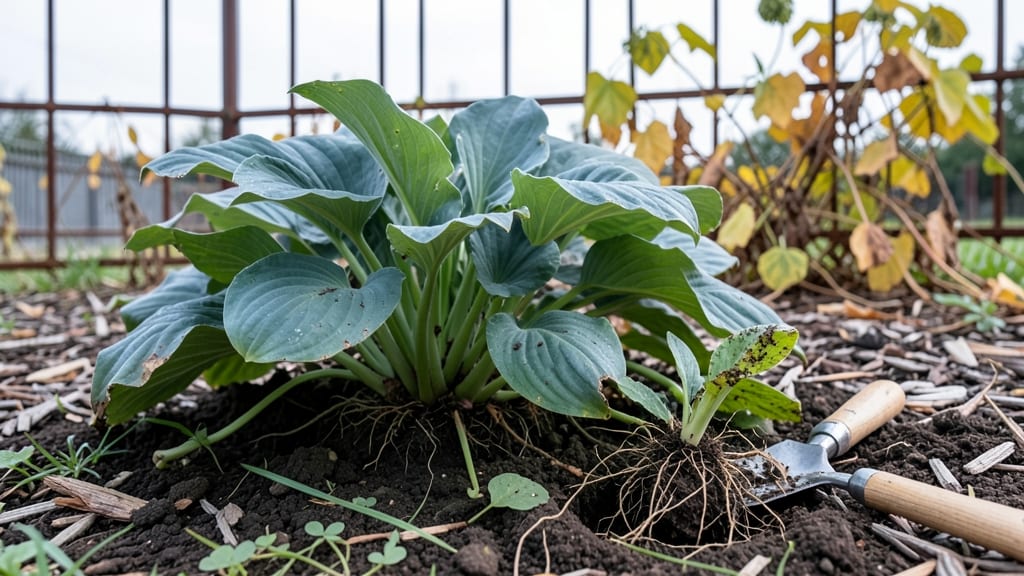
To transplant perennials in Zone 5, time it for early spring (March-April) or early fall (September-October) when soil stays cool but remains above freezing. This aligns with plants emerging from dormancy or preparing for it, avoiding summer heat or winter frost to reduce stress and boost survival rates.
The best transplant windows in Zone 5 balance soil warmth with frost risks—early spring lets roots establish before summer heat, while fall allows recovery before winter. 🌱 For example, hostas and daylilies thrive when moved in spring, but peonies prefer fall planting to avoid disturbing their dormant roots.
Always check your last frost date and monitor soil temps with a probe to avoid transplant shock.
Zone 5's short growing season means timing matters more than in warmer climates. Late spring transplants risk heat stress, while fall moves must finish at least 6 weeks before first frost. I recommend testing soil moisture before transplanting—dry soil stresses plants more than cold temperatures.
For large clumps, divide in early spring when growth resumes, but smaller potted plants can handle fall moves better.
💡 In This Article
- Zone 5 Climate Factors Affecting Perennial Transplant Timing
- Step-by-Step Perennial Transplanting Guide for Zone 5 Gardens
Zone 5 climate factors affecting perennial transplant timing
Zone 5's short growing season (140-160 days) creates tight transplant windows where timing directly impacts survival. The key factor is soil temperature—roots can't establish below 40°F or above 80°F.
In spring, soil warms gradually from 32°F to 50°F by late April, giving plants a 6-8 week window to recover before summer heat. Fall offers a similar 6-week window from mid-September to first frost, but soil cools faster than it warms in spring.
Late frosts (common until May 15 in most Zone 5 areas) pose the biggest spring risk. A 28°F night can kill tender new growth, while fall's early freezes (often by October 15) leave no margin for error.
Microclimates matter—south-facing slopes warm 5-10°F faster than north exposures, creating 3-5 day differences in transplant readiness. For example, peonies in a sunny border may tolerate spring moves 2 weeks earlier than those in shade.
Plant hardiness zones interact with transplant timing through dormancy cycles. Deciduous perennials like hostas emerge when soil hits 45°F, while evergreens (lavender, sedum) stay dormant until 50°F.
Fall transplants work best when plants enter dormancy naturally—daylilies stop growing by September 1, but coneflowers may need until October 15. The science shows roots grow 3x faster at 60-65°F soil temps, explaining why spring's 50-60°F range is ideal.
Here's what most gardeners miss: soil moisture affects transplant shock more than temperature. Dry soil in spring (common after winter thaw) stresses roots 2x more than cold temps. I've seen hostas wilt within 48 hours of transplant in 70°F soil if not watered properly.
Fall's cooler air reduces evaporation, but compacted soil from summer heat can suffocate roots—always loosen soil to 12 inches depth before moving plants.
Consider these climate risks by season:
- Spring: Late frosts (28°F after April 15) and rapid temperature swings (from 35°F nights to 75°F days) stress new transplants. Use frost cloth for 2 weeks post-transplant.
- Fall: Early freezes (25°F before October 15) and shorter daylight reduce root growth. Mulch with 4 inches of straw to maintain 50°F soil temps.
- Summer: Soil temps above 80°F cause root burn—transplanting then kills 60%+ of perennials within 30 days.
For accurate timing, track your local last frost date (USDA provides 10-year averages) and adjust by 2-3 weeks for microclimates. I recommend using a soil thermometer—50°F is the magic number for spring, 60°F for fall. The 10-day forecast should show stable temps above 45°F before moving plants. 🌡️
The biggest mistake? Transplanting based on air temperature alone. Soil stays 10-15°F cooler than air in spring and 5-10°F warmer in fall. Always check soil temps at 4-inch depth—this is the real indicator of transplant success.
For example, 50°F air in April might mean 40°F soil, which is too cold for most perennials.