
Transplanting
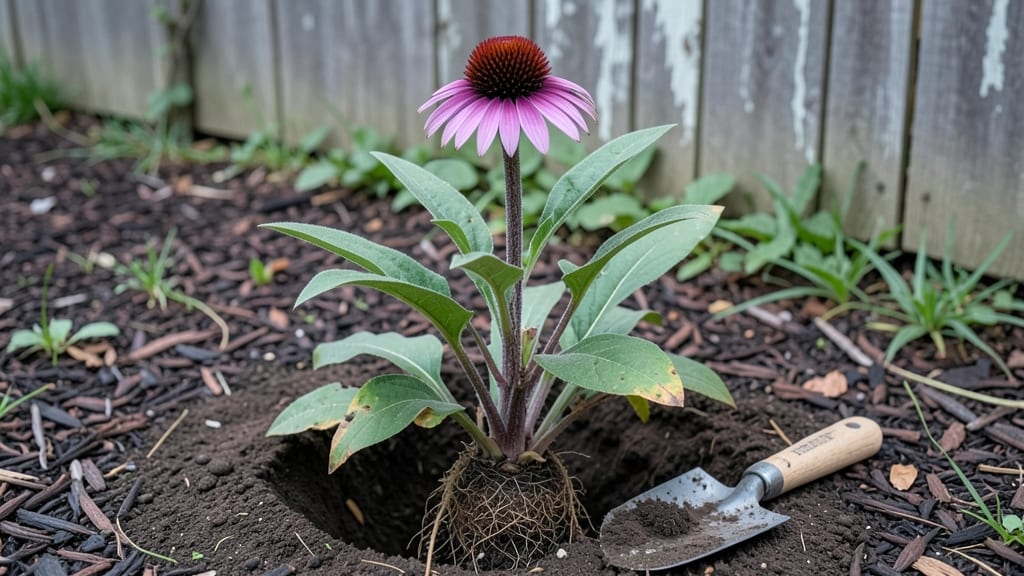
To transplant perennial flowers, aim for early spring or fall when temperatures are mild and plants are actively growing but not yet flowering. Cool-season varieties like hostas and asters do best in spring, while warm-season plants such as lavender and salvia prefer late summer or early fall for stronger root development.
Timing matters because perennials establish roots more easily when soil temperatures hover between 50°F and 70°F. In colder zones, early spring gives plants a head start before summer heat arrives, while fall transplants benefit from cooler weather and natural rainfall.
I always check local frost dates—transplanting too early can expose tender roots to frost damage, while waiting too late risks heat stress. For example, in Zone 5, I move peonies in April, but in Zone 9, I wait until October to avoid summer's intensity. 🌱
Another key factor is the plant's natural growth cycle. Herbaceous perennials like black-eyed Susans need 6-8 weeks of warm soil to recover, while woody stems (like butterfly bush) handle transplanting better when dormant.
Always water deeply before and after moving, and avoid transplanting during extreme heat or drought. The goal is to reduce shock by mimicking their native conditions as closely as possible.
💡 In This Article
- Climate Zone Guidelines for Perennial Transplant Timing
- Plant-Specific Transplanting Tips for Perennials
Climate Zone guidelines for perennial transplant timing
Your local climate zone determines the perfect transplant window because soil temperature and daylight hours directly impact root growth. In USDA Zones 3-5 (northern climates), spring transplanting begins when soil warms to 50-55°F—typically 4-6 weeks after the last frost.
The key is catching the "window" between frost danger and summer heat, which usually spans April-May. In contrast, Zones 7-10 (southern regions) offer fall transplanting from September-November when daytime temps stay above 60°F but nights cool to 55°F or lower.
Here's what's actually happening: Perennial roots grow most actively when soil temperatures hover between 55°F-75°F.
Below 50°F, root cells slow down, while above 80°F, they risk dehydration and heat stress. 🌡️ In Zone 6, for example, early spring transplanting (March-April) gives peonies 8-10 weeks of warm soil before summer arrives, while in Zone 8, fall transplanting (October) lets salvia establish roots before winter dormancy.
Mediterranean climates (Zones 9-10) present exceptions—transplanting in late winter (February-March) capitalizes on their wet season while avoiding summer drought.
The science involves dormancy cycles: Cool-season perennials like hostas naturally enter dormancy in summer, so spring transplanting aligns with their growth restart. Warm-season varieties (like lavender) store energy in roots during winter, making fall transplanting ideal for root regrowth before dormancy.
What most people don't realize is that transplanting during flowering diverts energy away from root establishment—always choose non-flowering plants for best results.
Regional exceptions matter: Pacific Northwest gardens (Zone 7-8) often transplant in early spring despite warm zones because winter rains keep soil moist, while desert climates (Zone 9) require evening transplanting to avoid 100°F+ daytime heat.
High-altitude zones (like Zone 5 at 5,000ft) may need 2 weeks earlier transplanting than sea-level counterparts due to cooler soil temps. Always check 30-year averages for your specific microclimate.
Consider these key factors when planning:
- Soil temperature: Use a soil thermometer—55°F-75°F is ideal for root growth
- Daylight hours: 12+ hours of daylight in spring/fall signals plants to grow
- Rainfall patterns: Transplant during 2-3 weeks of consistent moisture
- Plant type: Herbaceous perennials need 6-8 weeks of warm soil post-transplant
Pro tip: In Zone 4-5, cover newly transplanted perennials with frost cloth if night temps dip below 32°F within 2 weeks of transplanting. This simple protection can mean the difference between survival and loss.
The goal is to give roots 6-8 weeks of stress-free growth before seasonal extremes arrive. 🌱