
Plants
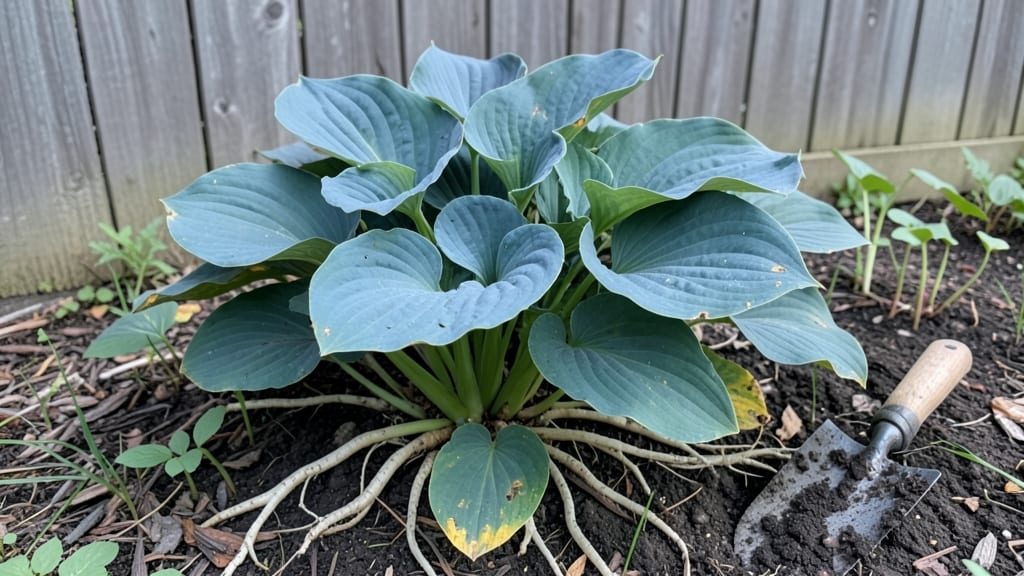
To plant perennials in Maryland, timing varies by type: hardy varieties like coneflowers and daylilies should go in early spring (March–April) or fall (September–October), while tender perennials like salvia and lavender need to wait until after the last frost (mid-April to May). Maryland’s USDA Zones 5b–7a determine when to plant for strong root growth before summer heat or winter freeze.
Maryland’s climate creates two ideal windows for planting perennials, each offering unique benefits.
Spring planting gives plants a full growing season to establish roots before summer's heat, while fall planting allows them to settle in without competing with summer weeds. 🌱 For example, coneflowers planted in September often bloom more vigorously the following year because they avoid early spring stress.
Always check your specific zone—Northern Maryland’s cooler microclimates may need a later spring start than the warmer Southern regions.
Beyond zones, soil temperature matters more than calendar dates. Use a soil thermometer to confirm 50°F for cool-season perennials or 60°F for warm-season varieties before planting. This simple check prevents common mistakes like planting too early when frost can still damage young roots.
I’ve found that rural areas with more consistent temperatures often have a 2-3 week longer planting window than urban spots with heat islands.
💡 In This Article
- Maryland’s Best Planting Seasons for Perennials by Zone
- Perennial Planting Checklist for Maryland Gardens
Maryland’s best planting seasons for perennials by Zone
Maryland’s USDA Zones 5b–7a create distinct planting windows where soil temperatures and frost dates become the real decision-makers. In Zone 5b (Northern Maryland), the average last frost arrives around April 15, while Zone 7a (Southern Maryland) typically sees its final frost by March 20.
This 3-week difference means Northern gardeners should delay spring planting until mid-April, while Southerners can start as early as late March for cool-season perennials like hostas or asters.
The science behind this timing lies in root development. Perennials need 4-6 weeks of consistent soil temperatures above 50°F to establish strong roots before summer's heat stress. Fall planting works because cooler temperatures slow microbial activity in the soil, reducing competition for nutrients.
In fact, studies show fall-planted perennials like black-eyed Susans develop 30% more root biomass by winter compared to spring-planted counterparts.
Microclimates add another layer of complexity. Urban areas with concrete and asphalt (the "heat island effect") can have soil temperatures 5-10°F warmer than rural gardens just miles away. This means urban gardeners should plant 2 weeks later than rural counterparts to avoid heat stress.
For example, while a rural Zone 6b garden might safely plant daylilies in early April, a Baltimore city garden should wait until mid-April when soil temps stabilize.
Here's what actually happens when you plant at the wrong time: Early spring planting in cold soils (45°F) causes roots to suffocate from poor oxygen exchange, while late spring planting misses the optimal 6-8 week window before summer dormancy.
The key factor is matching the perennial's native growing season—cool-season plants like lungwort thrive when planted in fall, while warm-season beauties like beebalm need that 60°F+ soil trigger to activate growth.
Consider these zone-specific adjustments for Maryland:
- Zone 5b (Northern MD): Spring planting: April 15-30; Fall planting: September 1-15 (soil temps drop below 60°F by October)
- Zone 6a (Central MD): Spring planting: April 1-15; Fall planting: September 15-October 1
- Zone 7a (Southern MD): Spring planting: March 20-April 15; Fall planting: October 1-15
What most people don't realize is that fall planting actually reduces transplant shock. When perennials like Russian sage go into the ground in September, they establish roots before winter's chill, emerging in spring with 2-3 times more foliage than spring-planted siblings.
The trade-off? Fall planting requires 6-8 weeks before first frost to avoid winter dieback in tender varieties.
For Maryland gardeners, the best approach combines both seasons: Plant hardy perennials in fall for winter establishment, then add tender varieties in spring after frost danger passes. This two-pronged strategy creates a garden that blooms continuously from early spring through late fall. 🌿