
Pruning
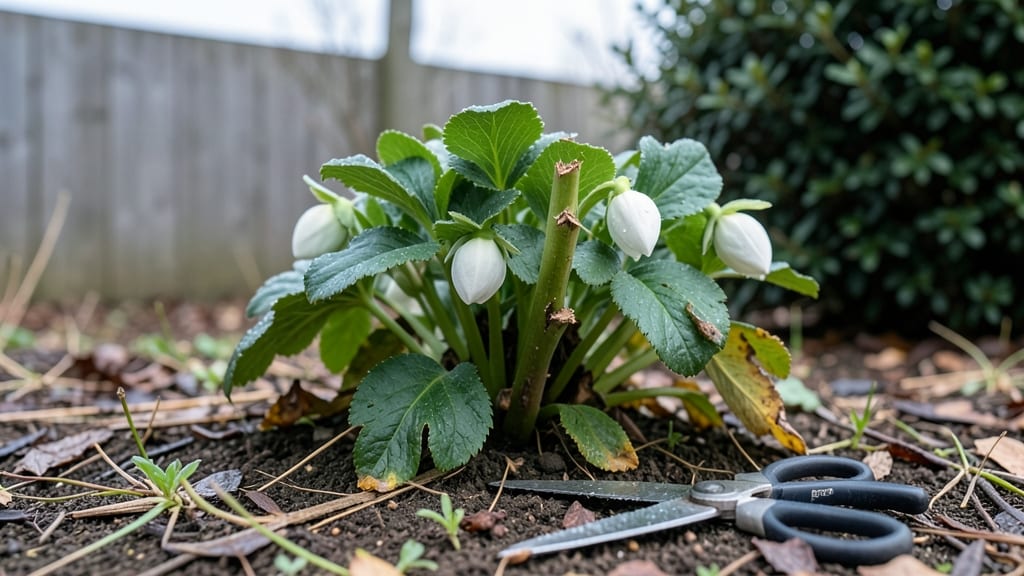
To cut down perennials, timing depends on your climate and the plant type: in cold regions, prune dead foliage in late winter or early spring before new shoots appear; in warm climates, reduce growth after blooms fade or in early winter. Cutting too early or late can stress roots and stunt regrowth.
Getting the timing right for pruning perennials is all about matching the plant's natural cycle with your local weather patterns. 🌱 In colder zones, waiting until after the last frost ensures tender new growth isn't damaged, while warm-zone plants often need a mid-winter trim to prevent leggy growth.
I've learned that observing your plants' behavior—like when coneflowers drop their seed heads—is the best guide rather than following a rigid calendar.
Different perennials have unique needs too. For example, peonies bloom on last year's growth, so cutting them back immediately after flowering would mean losing next year's flowers. On the other hand, herbaceous perennials like hostas can be trimmed right down in early spring.
Always use clean, sharp tools to make precise cuts and minimize plant stress.
💡 In This Article
- Climate-Based Perennial Pruning Timelines
- Plant-Specific Pruning Guidelines for Perennials
Climate-based perennial pruning timelines
Here's what's actually happening beneath the surface: perennials follow distinct seasonal rhythms shaped by temperature zones. In USDA hardiness zones 3-7 (cold climates), plants enter dormancy when soil temperatures drop below 40°F, triggering a protective shutdown.
This is why late winter or early spring pruning—after the last frost but before new shoots emerge—prevents frost damage to tender growth. For example, in zone 5, hostas should be cut back in March when soil warms to 45°F.
The science lies in photosynthesis timing: perennials store energy in roots during summer, and cutting too early removes their food source. In temperate zones 8-10, where winters are mild (35-50°F), growth continues year-round, so pruning after flowering (like with lavender) removes spent blooms while preserving root energy.
The key difference? Warm-zone plants like coneflowers can handle early winter cuts (December-January) because they're not stressed by frost.
What most people don't realize is how frost sensitivity varies by plant type. Evergreens like boxwoods (zones 5-9) should never be cut in winter—their foliage protects buds from cold snaps.
Meanwhile, deciduous perennials like Russian sage (zones 4-9) can be trimmed in late winter because their dormant state makes them resilient. The rule of thumb: if your zone gets below 20°F, wait until after last frost.
Seasonal growth patterns create these windows: in cold zones, new growth begins when soil reaches 50°F for 7+ days. For warm zones, the trigger is day length changes—shorter days signal flowering perennials to produce seed heads.
That's why you'll see coneflowers dropping seeds in late summer (perfect time to trim) while peonies bloom on old wood and should be left until after flowering.
Consider these climate-specific examples:
- Zone 3-5 (cold): Cut back herbaceous perennials like daylilies in March when soil thaws
- Zone 6-8 (temperate): Trim woody perennials like butterfly bush in late winter (February)
- Zone 9-11 (warm): Reduce tropical perennials like cannas in early winter (November)
Here's the pro tip: use your local USDA frost map to find your average last frost date, then count back 4-6 weeks for cold-zone pruning. For warm zones, mark your calendar for 2 weeks after flowering—this ensures seed heads have formed but before they spread.
The goal is to balance aesthetics with plant health, not just tidy up your garden.