
Pruning
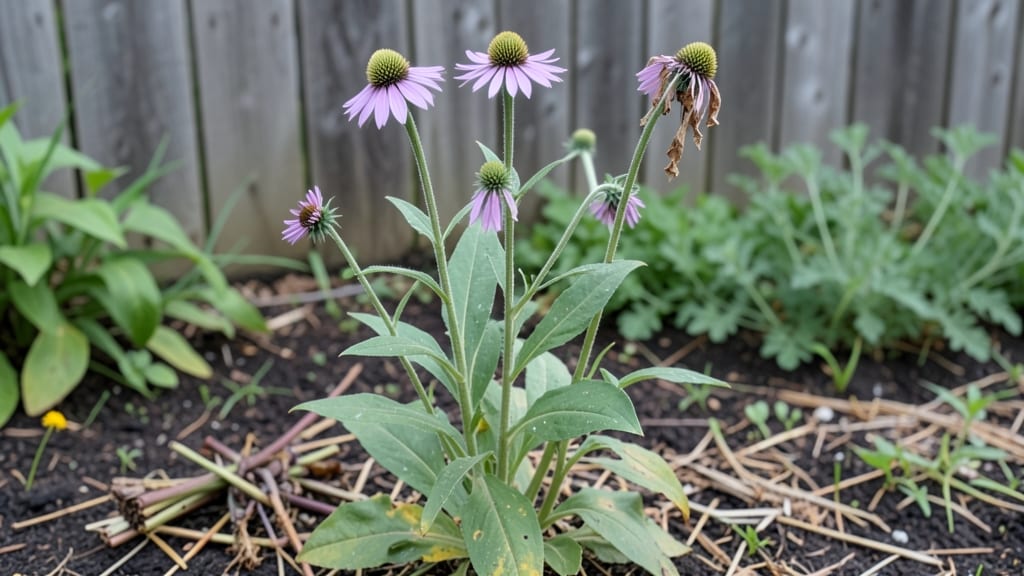
Neglecting perennials disrupts their natural energy cycle—plants divert resources to maintaining dead foliage instead of producing new growth or flowers. 🌿 Without proper trimming, fungal infections like powdery mildew thrive in trapped moisture, while pests find shelter in dense, unpruned stems.
The result? A plant that struggles to rebound even when conditions improve, often requiring more aggressive interventions later.
Seasonal timing matters too: pruning at the right moment (like after flowering for most perennials) ensures the plant enters dormancy stronger. I’ve seen neglected perennials recover beautifully with just a single strategic cut—proof that even late intervention can work if you address the root causes.
💡 In This Article
- How Deadheading Affects Perennial Growth Cycles
- Signs Your Perennials Need Pruning Now
How deadheading affects perennial growth cycles
Deadheading—or removing spent blooms and foliage—plays a critical role in how perennials allocate their energy. When you skip this step, the plant redirects its resources from root development and new growth to maintaining the dying stems and leaves.
This creates a nutrient drain that can weaken the entire plant system over time. Studies show that neglected perennials like coneflowers (Echinacea) or black-eyed Susans (Rudbeckia) may produce 30-50% fewer blooms in subsequent seasons due to this misplaced energy expenditure. 🌸
The real damage happens below ground. Perennials store energy in their roots during dormancy, but dead foliage acts like a sponge, absorbing and retaining moisture that should be evaporating. This creates a damp, shaded environment where fungal pathogens like powdery mildew or rust thrive.
The fungal hyphae can penetrate plant tissues within 48-72 hours of ideal moisture conditions, leading to root rot that compromises the plant's ability to absorb water and nutrients. Compare this to a well-pruned perennial: its roots remain dry and aerated, allowing for optimal nutrient uptake throughout the growing season.
What most gardeners don't realize is how deadheading influences the plant's dormancy cycle. Perennials rely on environmental cues like daylight changes to signal when to rest.
When overgrown foliage blocks light from reaching the crown, the plant receives mixed signals—it may delay dormancy or enter it prematurely, both of which disrupt its natural rhythm.
For example, peonies (Paeonia) left unpruned may produce fewer, smaller blooms the following year because their energy reserves were depleted maintaining unnecessary foliage during the previous season's late growth. This biological disruption can shorten a plant's lifespan by 5-10 years in severe cases.
There's also the aesthetic and practical impact on your garden's ecosystem. Dense, unpruned perennials create microclimates that attract pests like slugs, aphids, and spider mites. These insects thrive in the protected, humid environment created by trapped dead leaves.
A single neglected hosta (Hosta) plant can become a magnet for slugs, which then spread to neighboring plants. The visual impact is equally telling: overgrown perennials lose their natural shape, creating a wild, unkempt appearance that detracts from your garden's design.
Even drought-tolerant perennials like lavender (Lavandula) suffer when left unpruned—they develop woody stems that reduce air circulation and increase heat stress.
Consider this comparison: a properly maintained 3-foot-tall coneflower (Echinacea purpurea) will produce 80-100 stems with vibrant blooms, while a neglected specimen of the same variety may only produce 20-30 stems with sparse, weak flowers.
The difference comes down to energy allocation—what could have gone toward root expansion and flower production instead went to maintaining dead tissue. This isn't just about looks; it's about the plant's long-term health and vitality.
The key takeaway is that deadheading isn't just about appearance—it's a biological necessity for maintaining your perennials' growth potential. ✨